Welcome to Echo Network Africa Foundation (ENAF)   Click to listen highlighted text! Welcome to Echo Network Africa Foundation (ENAF)
Girls Excel

ENAF Champions School Re-entry for Teenage Mothers on International Youth Day

ENAF Champions School Re-entry for Teenage Mothers on International Youth Day

To mark International Youth Day 2026, Echo Network Africa Foundation joined community members, youth advocates, and adolescent mothers at the Amani Kibera BookHouse for an open community dialogue on Wednesday, August 12, 2026.

Held under the global theme, “Different Contexts, Common Aspirations,” the forum drew inspiration from CFK Africa’s publication, Still, I Rise, which highlights the lived experiences and resilience of teenage mothers in informal settlements. The session provided a safe space to discuss the systemic barriers adolescent mothers face and explore collective solutions to support their aspirations.

Through its Girls Excel Initiative, Echo Network Africa Foundation championed the right to education for young mothers, advocating for community-backed re-enrolment and school retention to ensure that early motherhood does not end a girl’s learning journey.

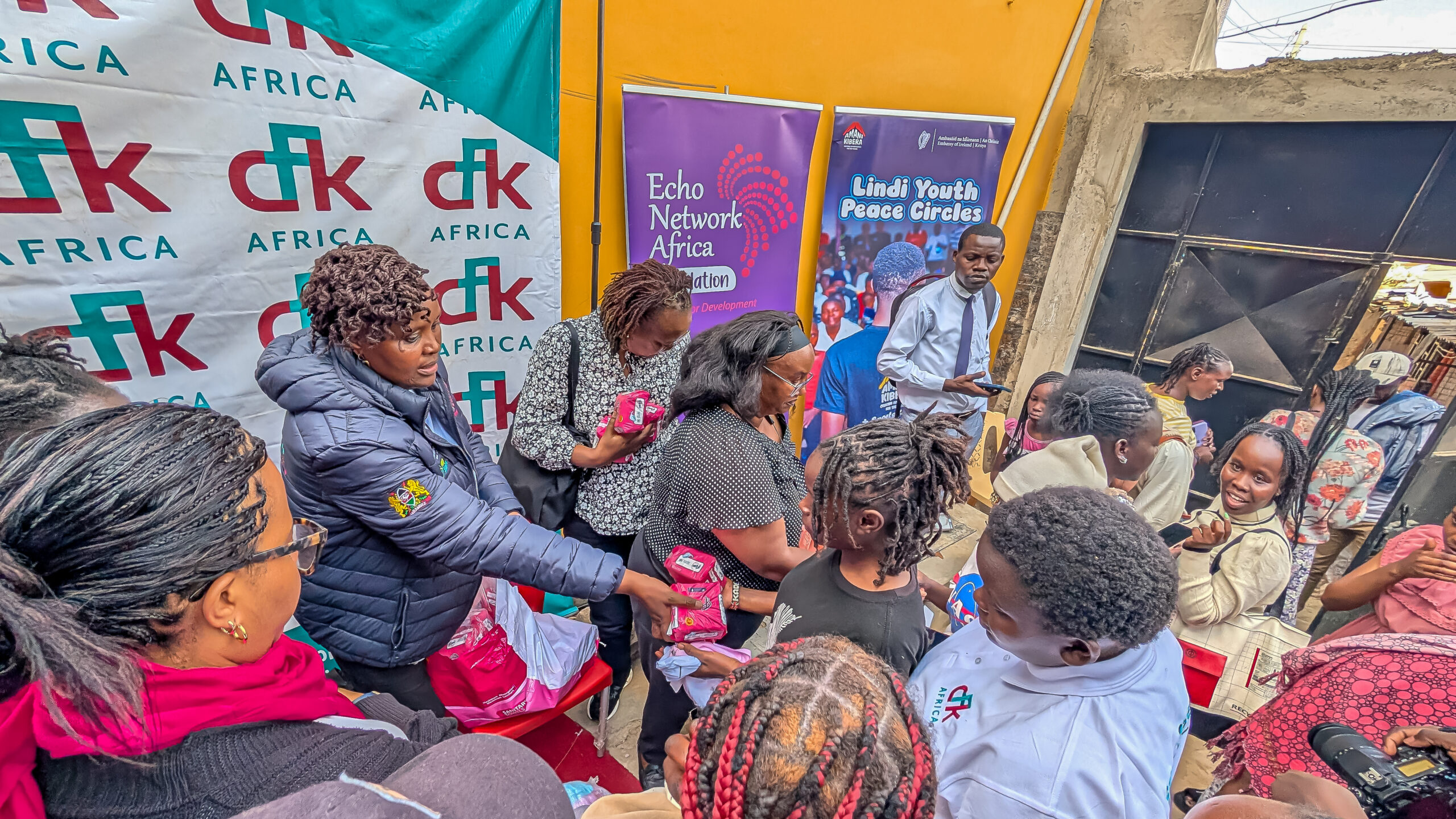
To provide immediate, practical support, Echo Network Africa Foundation distributed dignity kits to the teenage mothers in attendance, addressing hygiene needs and restoring self-confidence. The engagement reinforced the foundation’s commitment to eliminating stigma, fostering inclusive learning environments, and empowering adolescent mothers to return to school and thrive.

Women's Leadership, Political Participation & Governance

Shaping 2027 and Beyond: ENAF, DTF and UN Women Evaluate Historic Gender Gains in Bungoma

Shaping 2027 and Beyond: ENAF, DTF and UN Women Evaluate Historic Gender Gains in Bungoma

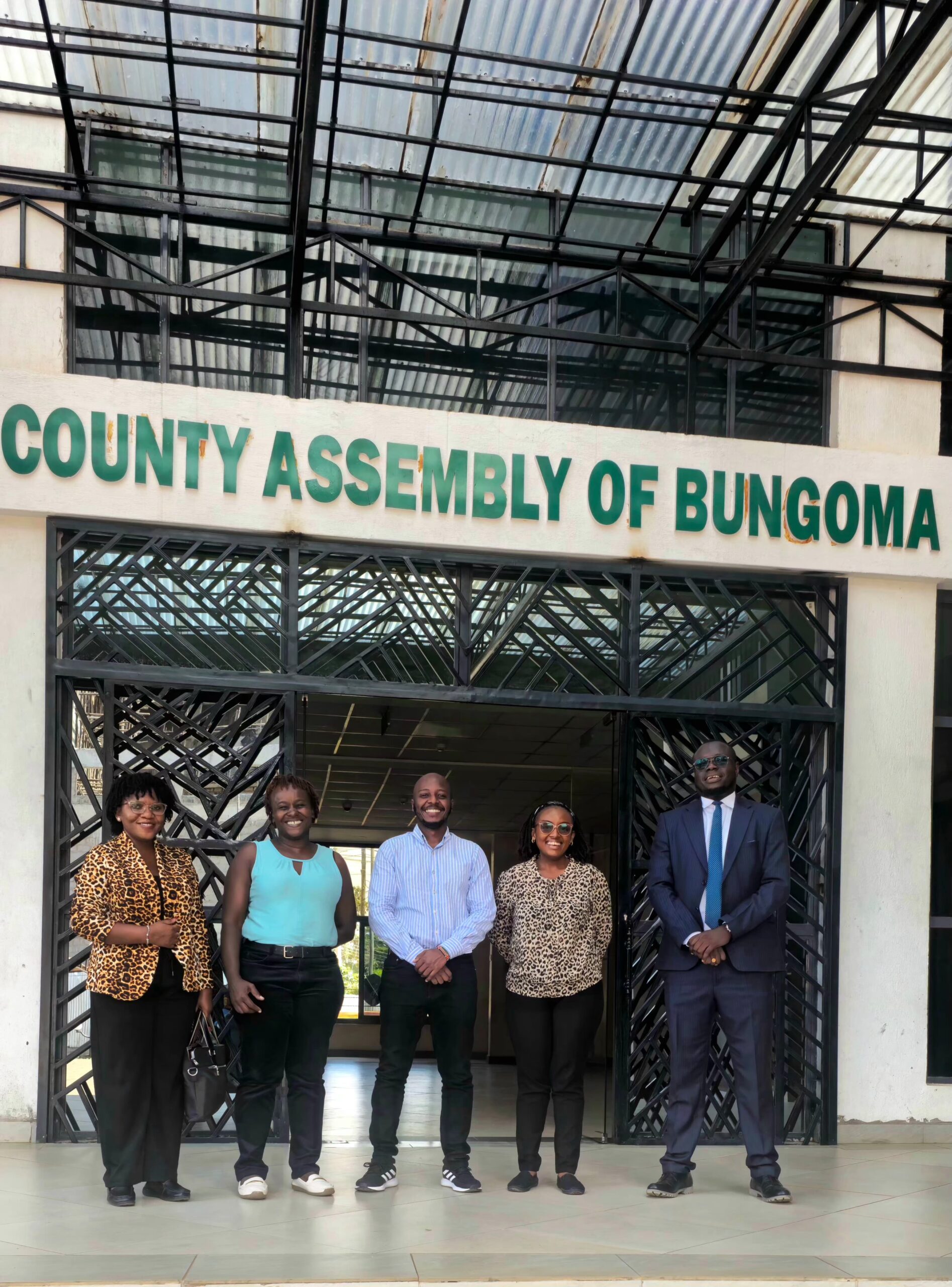
Echo Network Africa Foundation (ENAF), alongside the Democracy Trust Fund and the UN Women East and Southern Africa Regional Office, successfully concluded a two-day evaluation mission in Bungoma County. The joint field assessment evaluated the long-term impact of the Ireland-funded Preserving and Expanding Gender Gains Programme, implemented across Bungoma and Vihiga Counties from 2023 to 2025. Designed as part of UN Women’s outgoing 2023–2026 Strategic Note review, the mission’s findings will directly inform strategic investment priorities for the upcoming 2027–2029 cycle.

During the mission, the delegation held high-level discussions with key county leadership, including Deputy Governor H.E. Pst. Janepher Mbatiany, Gender CECM Mr. Benedict Emachar, county gender officials, and Members of the County Assembly. To capture the full scope of the program’s impact, the team also conducted community focus groups with grassroots women and beneficiaries across various sub-counties. These discussions highlighted significant gains in women’s leadership capacity, civic engagement, and political readiness ahead of the 2027 General Elections.

The evaluation highlighted major milestones, including the launch of the Bungoma County Women’s Manifesto, the adoption of progressive gender, child protection, and disability policies, and the operationalization of the Women’s Leadership Pillar within the Intergovernmental Gender Sector Working Group. Building on these successes, ENAF and its partners will use the mission’s insights to help translate existing policy frameworks into enforceable regulations, securing sustainable governance measures for women’s empowerment across the region.

Girls Excel Organizational News

ENAF and Ministry of Education Review Girls Excel Initiative and Mobile Science Lab Impact

ENAF and Ministry of Education Review Girls Excel Initiative and Mobile Science Lab Impact

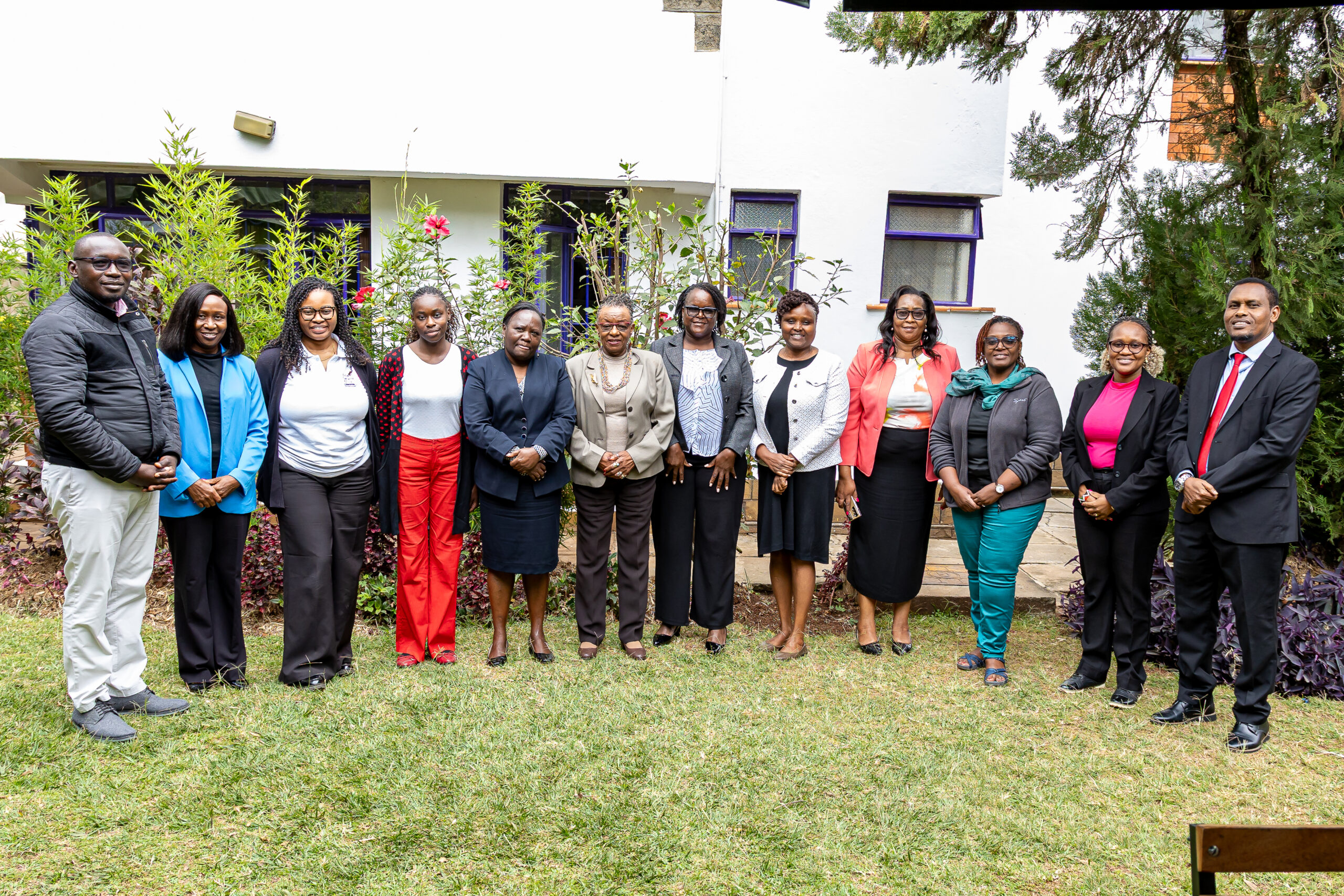
Echo Network Africa Foundation (ENAF) hosted officials from the Ministry of Education at its Nairobi offices for a progress workshop. The session provided a platform to review the Girls Excel Initiative report covering program activities and milestones achieved from July 2025 to date across 21 schools in 18 counties.

By pairing mobile STEM laboratories and Hesabu Clubs with mentorship and dignity kit distribution, the initiative directly addresses period poverty and classroom absenteeism. The program brings essential science equipment and structured learning support directly to underserved primary and secondary schools.

Partner institutions continue to see marked improvements in student STEM performance as hands-on experiments replace purely theoretical lessons. Recent deployments, including a specialized unit for the Ngala School for the Deaf, have further expanded access to practical science resources for learners with special needs.

Women's Leadership, Political Participation & Governance

Stakeholders Unite to Advance Gender-Responsive Electoral Governance Ahead of 2027 General Elections

Stakeholders Unite to Advance Gender-Responsive Electoral Governance Ahead of 2027 General Elections

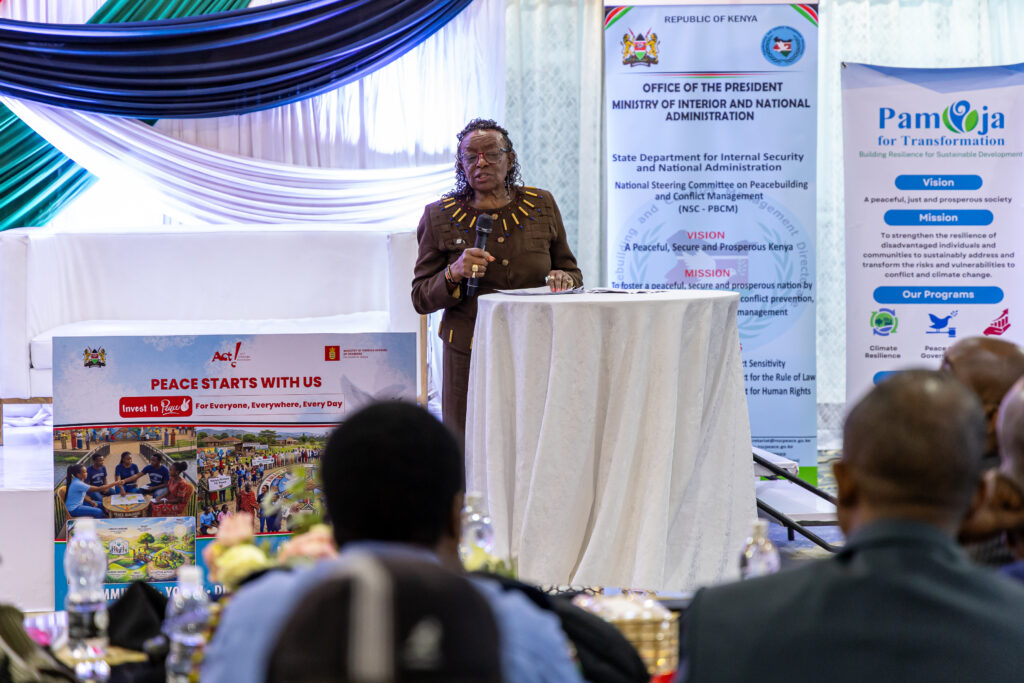
As Kenya prepares for the 2027 General Elections, key institutions and civil society partners gathered in Nairobi for a national dialogue focused on dismantling systemic barriers to women’s political leadership.

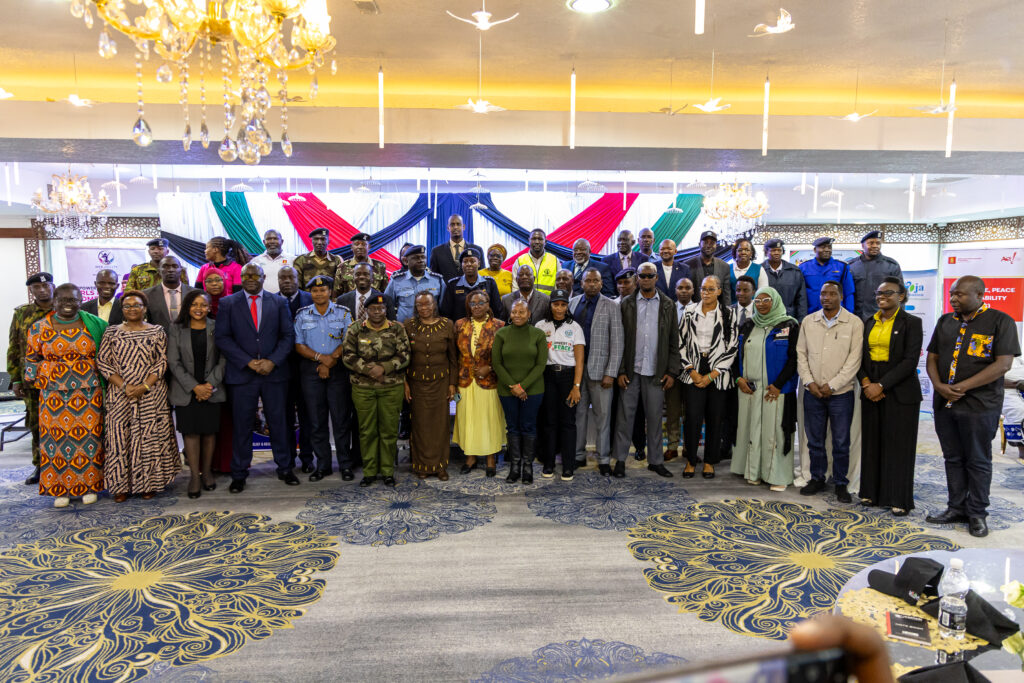
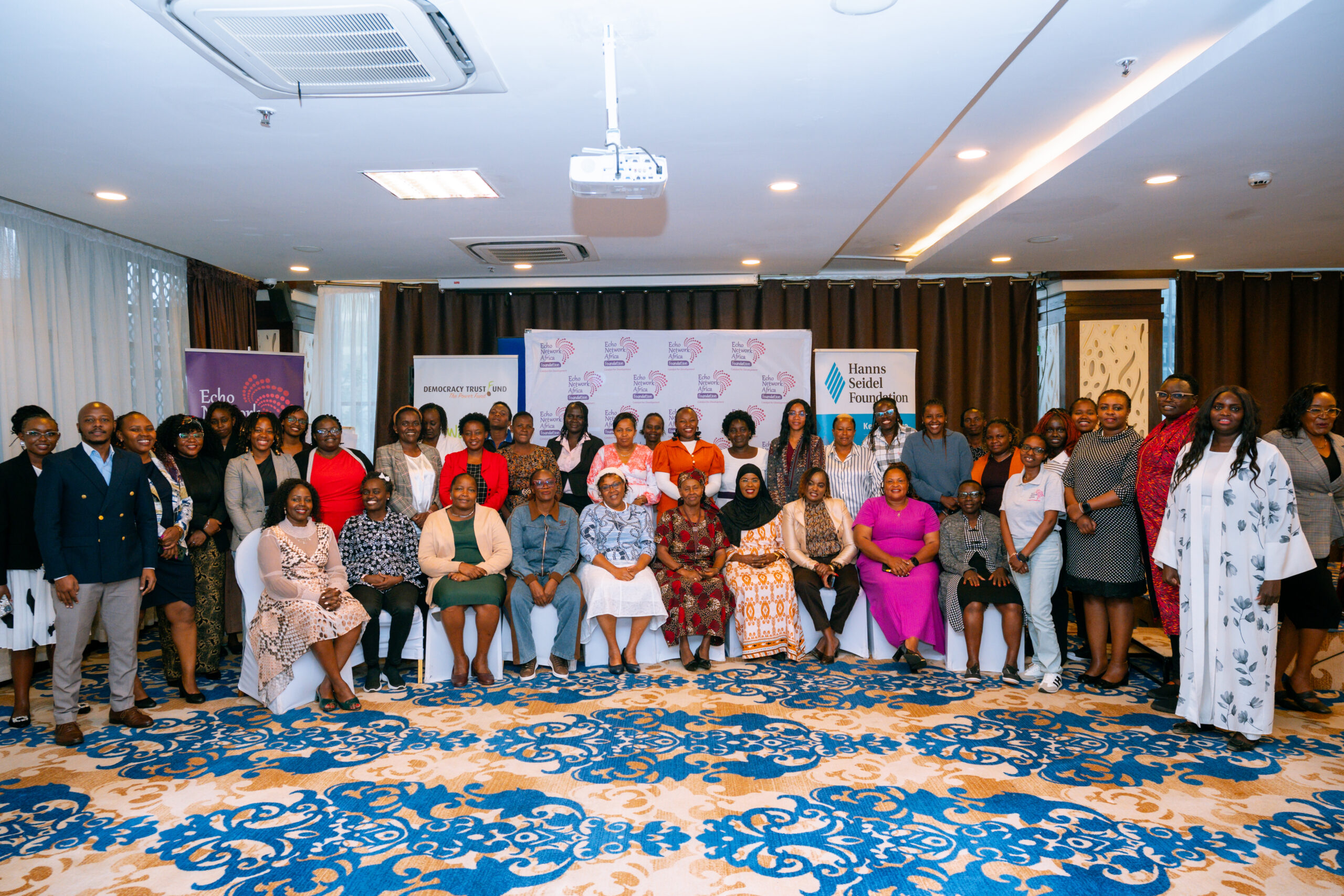
Echo Network Africa Foundation (ENAF), in partnership with the Democracy Trust Fund (DTF) and with support from the Hanns Seidel Foundation (HSF), convened the National Multi-Stakeholder Dialogue and Sensitization Forum on Gender-Responsive Electoral Governance. The high-level forum brought together over 70 representatives from across Kenya’s electoral governance ecosystem to establish concrete strategies for inclusive democratic processes.

Participating state and non-state actors included the Independent Electoral and Boundaries Commission (IEBC), the Office of the Registrar of Political Parties (ORPP), the National Gender and Equality Commission (NGEC), the National Cohesion and Integration Commission (NCIC), the Political Parties Liaison Committee (PPLC), the State Department for Gender and Affirmative Action (SDGAA), and the Political Parties Disputes Tribunal (PPDT). They were joined by representatives from political parties, security agencies, civil society organizations (CSOs), and women’s rights organizations (WROs).

Throughout the deliberations, delegates addressed the persistent structural, financial, and socio-cultural barriers that continue to limit women’s active political participation. The discussions generated actionable recommendations aimed at strengthening the enforcement of existing electoral laws, enhancing party-level compliance with gender parity principles, and safeguarding female candidates throughout the electoral cycle.

Crucially, the forum underscored that achieving true gender responsiveness requires cross-sectoral coordination and shared accountability. The commitments established during the session will serve as a framework for continued advocacy, joint monitoring, and targeted capacity-building. By aligning key institutions behind a unified agenda, the coalition aims to foster an electoral environment that effectively prepares, positions, and supports more women to successfully run for and win elective office in 2027.m, including the Independent Electoral and Boundaries Commission (IEBC), the Office of the Registrar of Political Parties (ORPP), the National Gender and Equality Commission (NGEC), the National Cohesion and Integration Commission (NCIC), the Political Parties Liaison Committee (PPLC), the Political Parties Disputes Tribunal (PPDT), political parties, security agencies, civil society organizations (CSOs), women’s rights organizations (WROs), and other key electoral stakeholders.

The discussions generated practical recommendations to address the persistent barriers limiting women’s political participation, strengthen the implementation and enforcement of electoral laws and policies, and promote more inclusive and gender-responsive electoral governance.

The forum also underscored the importance of stronger coordination and shared accountability among electoral stakeholders. The commitments made will guide continued advocacy and collective action towards creating an electoral environment that prepares, positions, and supports more women to run for and win elective office in the 2027 General Elections.

Mothers & Babies Behind Bars

ENAF Launches ‘Mothers and Babies Behind Bars’ Initiative at Murang’a Women’s Prison

ENAF Launches ‘Mothers and Babies Behind Bars’ Initiative at Murang’a Women’s Prison

Echo Network Africa Foundation (ENAF), represented by Chief of Party Sarah Muhoya, has officially launched the “Mothers and Babies Behind Bars” initiative. This milestone launch took place during the official opening of the new Administration Block and the Prisoners’ Mixed Block by the State Department for Correctional Services (SDCS) at Murang’a Women’s Prison. The multi-stakeholder initiative, which addresses the welfare of innocent children living with their incarcerated mothers, saw the donation of vital institutional support including beds, mattresses, and essential equipment, alongside personal Dignity Packs for every woman in the institution.

In the keynote address delivered on her behalf, ENAF President and CEO Dr. Jennifer Riria emphasised the societal obligation to protect vulnerable children and restore the dignity of women. She said: “A child’s cradle should never be in a cell. A child must never serve their mother’s sentence. At ENAF, we believe that empowerment must extend to those society often overlooks. When we restore a mother’s dignity, we protect a child’s future.”

Among those who attended the high-profile event were the Principal Secretary for the State Department for Correctional Services, Dr. Salome Beacco, CBS, Director of Prison Reforms, Mr. Ali Athmani, Central Regional Commander of Prisons, Ms Anne Gatimu, alongside development partners, and senior prison leadership. Speaking at the event, government officials praised the collaborative approach, noting that integrating gender-responsive management and child-sensitive spaces within the Kenya Prisons Service transforms correctional facilities from places of mere confinement into institutions of true rehabilitation and healing.

So far, ENAF’s holistic interventions have spanned six correctional institutions across the country, providing structured psychosocial support to over 140 incarcerated women and girls. The initiative operates across three interconnected priorities: protecting the child, restoring the dignity of women through psychosocial and legal empowerment, and strengthening correctional systems. This includes setting up vibrant, child-friendly crèches like the one at Thika Women’s Prison to ensure children spend their formative years in environments of safety, stimulation, and hope. With between 300 and 400 children currently living behind prison walls across Kenya’s 44 women’s correctional facilities, ENAF is working closely with the SDCS and corporate partners to scale these life-changing interventions nationwide, one facility at a time. This vital work requires a collective effort. ENAF calls upon individuals and corporate partners to join hands with us. Whether by supporting child-friendly crèches, donating to dignity drives, or sponsoring reintegration programmes, your partnership will restore hope and protect the future of these vulnerable children and mothers.

Girls Excel

Local Philanthropy and Corporate Action Unite as ENAF and AAR Hand Over 19th Mobile Science Lab

Local Philanthropy and Corporate Action Unite as ENAF and AAR Hand Over 19th Mobile Science Lab

Dr Jeniffer Riria, President and CEO of Echo Network Africa Foundation (ENAF), together with representatives of AAR Insurance, donated a solar-powered Mobile Science Laboratory to Kavoo Comprehensive School. In Kitui West, the equipment, which is sourced from the School Equipment Production Unit (SEPU), is expected to be shared by more than 300 pupils from the surrounding schools in order to ease the huge challenge of inadequate equipment for teaching Science subjects at Junior and Senior Schools in the country.  So far, ENAF, in partnership with individuals and corporate Partners has donated nineteen Mobile laboratories to a similar number of schools drawn from across the country, enabling over 5,000 pupils to access equipment necessary for the study of Science, Technology, Engineering, and Mathematics (STEM) subjects.   Among those who attended the event were County Director of Education Dr. Khalif Hassan, TSC County Director Margaret Kamau, County Quality Assurance Officer James Gathogo, and other representatives from the Ministry of Education.  

In her keynote speech, Dr. Jennifer Riria emphasised the need for equal access to quality education by all children regardless of where they are born.  She said:  

“At ENAF, we believe education is the most powerful equalizer in society. If Kenya is to compete successfully in the twenty-first century, we must invest deliberately in the minds that will drive future innovations.

Speaking at the event, Ms Sarah Warutere of AAR Insurance pointed out that the partnership with ENAF aims to invest in initiatives that address real learning barriers: “When you remove barriers to learning, you do not just change what a student can do, you change what they believe about themselves. It places a resource in a child’s hands today.” The necessity of this intervention was best captured by Head of Institution, Cate Mitau: “The lab will do a lot in improving the grades of the learners. We have just been doing theory; we’ve talked about laboratories, but they didn’t know what ‘animal’ this is. Effective today, our pupils know what it is.”

The initiative by ENAF, under the Girl Excel Program Centre, is to provide Mobile Laboratories to pupils in Jnr and Snr Schools, aimed at enhancing the learning of STEM subjects in general, and more importantly, to encourage the uptake of STEM subjects by girls.  More than 20,000 public schools in Kenya lack access to science equipment. ENAF is working together with the Ministry of Education and other partners to solve this challenge, one school at a time, at a cost of Ksh 200,000.

You too can be part of this life-changing initiative.  Send your donation marked (Mobile Laboratory and the school) to: MPESA Paybill: 972800.

ENAF President & CEO Dr. Jennifer Riria addressing learners at Kavoo Comprehensive School during the official deployment of the 19th Mobile Science Laboratory and Science Kit under the Girls Excel Initiative.
Kitui County Director of Education (CDE) Dr. Khalif Hassan underscores the value of practical learning tools during the inspection of the newly delivered ENAF-AAR Mobile Science Laboratory and Junior School Science Kit at Kavoo Comprehensive School.
Kavoo Comprehensive School learners hold mentorship banners alongside ENAF President & CEO Dr. Jennifer Riria, AAR Insurance ESG Lead Sarah Warutere, and Ministry of Education officials during the lab handover.
Financial Inclusion YISA

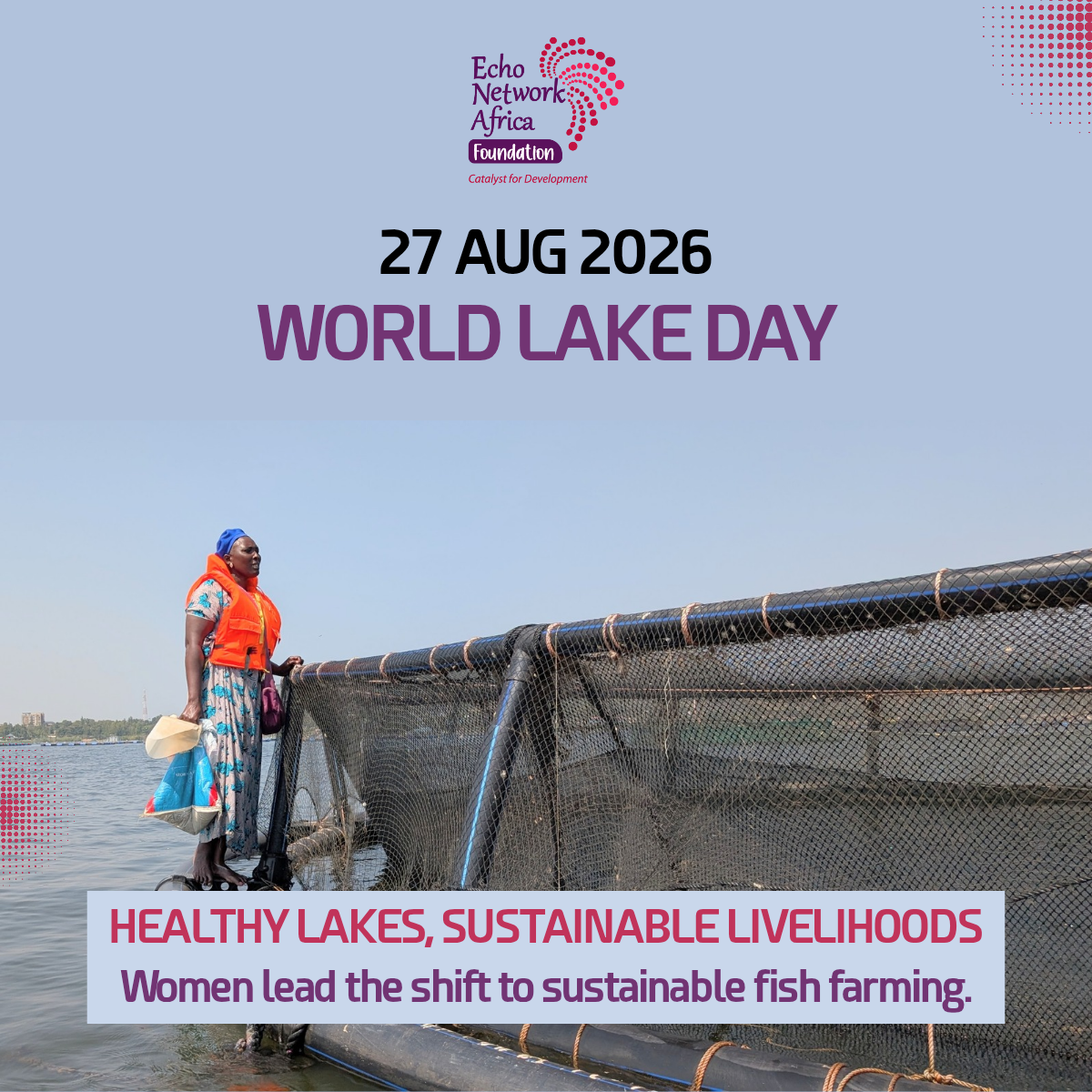
From Salonist to Sustainable Fish Farmer: How the YISA Project Empowered Risper

From Salonist to Sustainable Fish Farmer: How the YISA Project Empowered Risper

In the vibrant markets of Siaya County, economic security for young mothers often hinges on the unpredictability of daily casual labor. For Risper Adoyo Akello, a mother of two, the path to financial self-reliance began in a local beauty salon. Despite her hard work, the hair salon yielded thin, irregular profit margins that barely covered basic household needs, leaving her trapped in a cycle of financial stress.

Seeking a more stable anchor for her family, Risper made the bold choice to pivot into fish mongering. However, without access to structured business training or financial capital, she quickly found herself restricted to trading small volumes—barely managing to scrape by on the margins of the beach markets.

The GALS Blueprint for Enterprise Growth

The turning point in Risper’s journey arrived through the Youth in Sustainable Aquaculture (YISA) programme. Implemented by Echo Network Africa Foundation (ENAF), the initiative provided her with comprehensive training in Business Development Services (BDS) and the life-changing Gender Action Learning System (GALS).

Through GALS and the “Vision Journey Map” tool, Risper learned how to transition her mindset from survival trading to running a corporate, data-driven business unit. She mastered the fundamentals of record-keeping, strict profit calculations, and long-term goal setting.

“The GALS training changed everything for me. It forced me to map out a clear path for my family, save with intention, and run my business like a professional enterprise.”

Scaling with the Revolving Loan Fund (RLF)

The structural shift in Risper’s business became reality when she accessed an interest-free KES 20,000 loan via the YISA Revolving Loan Fund (RLF). With this targeted capital injection, Risper scaled her daily trade volume and diversified her stock.

The economic ripple effect has directly transformed her household structure. Today, her fish business stands as a primary economic anchor, allowing her to easily co-share household responsibilities, cover school fees, and establish a reliable savings plan.

Charting a Permanent Legacy

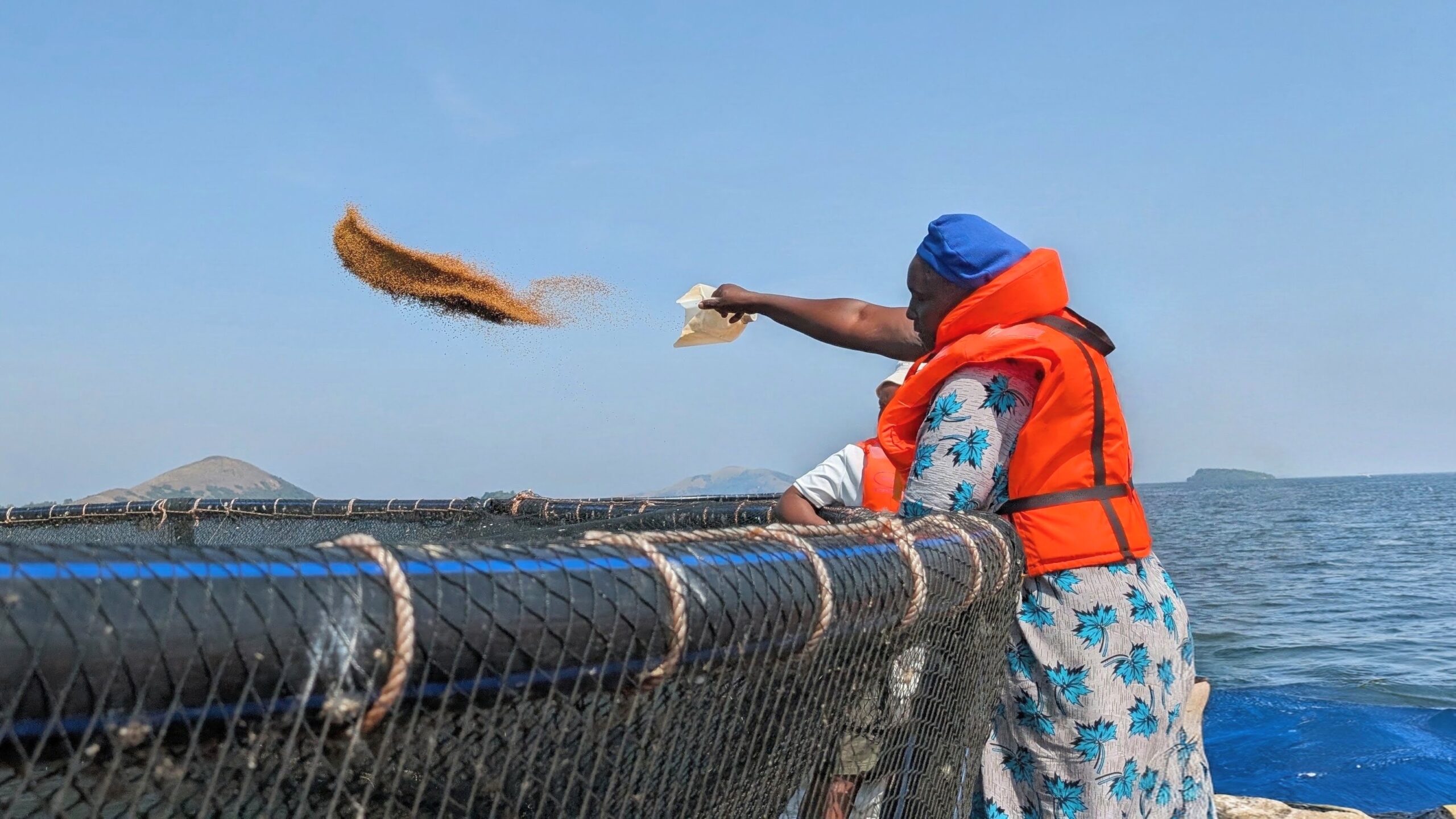
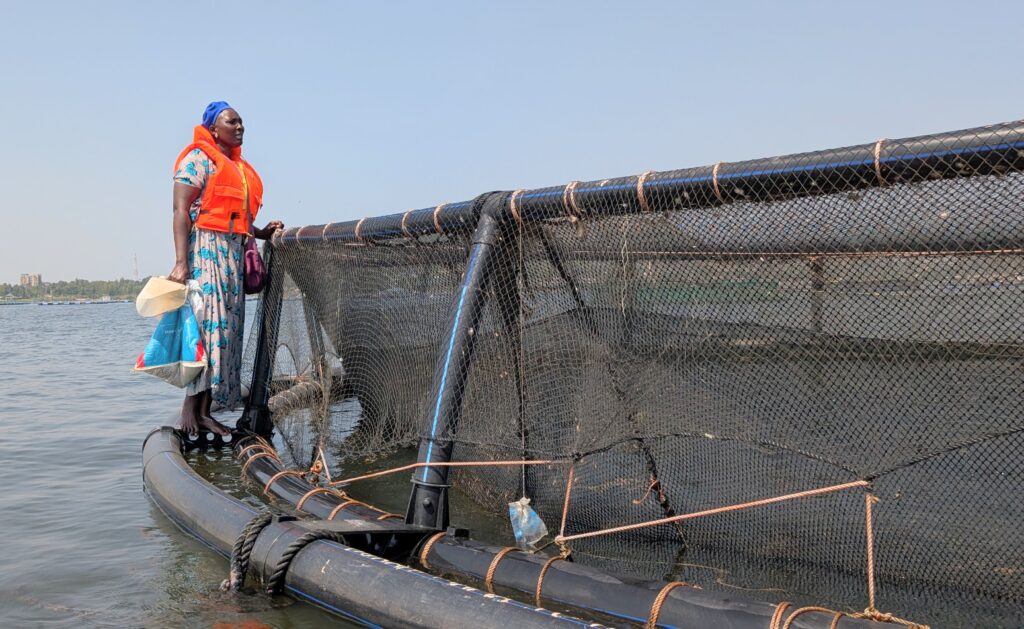
Risper is no longer trading just to survive—she is building a permanent asset base. Guided by her Vision Journey Map, she has successfully started repaying her loan and is actively saving to invest in her own deep-water fish cage production on the lake.

Her journey proves that when young women are equipped with the right combination of market capacity, financial literacy, and inclusive capital, they can navigate their way directly to the forefront of Kenya’s blue economy.

About YISA: The Youth in Sustainable Aquaculture (YISA) programme is a strategic partnership between the Mastercard Foundation and a consortium led by Farm Africa. As an implementing partner, Echo Network Africa Foundation (ENAF) focuses on the socio-economic elevation of young women, dismantling market access barriers, and helping them transition into independent, dignified entrepreneurship.

Financial Inclusion YISA

Amina’s Vision: How YISA Transformed a Kilifi Entrepreneur

Amina’s Vision: How YISA Transformed a Kilifi Entrepreneur

“Through the trainings in business management and the Vision Journey Map, I learned to set goals for my life and plan the steps to reach them; now I see clearly where I want to go.” > — Amina Katana

In the quiet village of Mgandini, Kilifi County, Amina Katana’s story stands as a powerful testament to resilience. Her journey into adulthood took an unexpected turn when she left school early to raise her first child as a single mother. Returning to her family home with limited options, she faced the harsh reality of irregular income and daily financial strain.

The burden of survival intensified following the passing of her father. Determined to forge a path forward, Amina’s mother introduced her to fish mongering, a trade deeply woven into the fabric of their coastal community. While this small business allowed Amina to contribute to the household, her growth was stifled by a lack of investment capital, leaving her family trapped in a cycle of subsistence living.

A Strategic Partnership for Growth

A defining shift occurred when the Youth in Sustainable Aquaculture (YISA) programme reached her village. Through the Echo Network Africa Foundation (ENAF), Amina and the Amkeni Widows Group received intensive training in Business Development Services (BDS), where they mastered record-keeping, profit calculation, and market competition. For Amina, this was not just a lesson; it was the blueprint for a professional enterprise.

This impact extends far beyond the financial ledger. Amina participated in the Gender Action Learning System (GALS) training, a community-led methodology championed by the programme to promote inclusive economic participation. Through the Vision Journey Map tool, Amina was challenged to look past daily survival and visualize a secure, prosperous future for her children.

Scaling for Success

Empowerment became completely tangible when Amina’s group accessed a KES 200,000 Revolving Loan Fund (RLF) facilitated by ENAF. With a personal loan of KES 20,000, Amina immediately scaled her operations. Previously restricted by limited capital to selling only 5 to 10 kilograms of fish daily, she now handles between 15 and 20 kilograms, fundamentally transforming her household income.

Today, Amina is a mother of two, and her thriving enterprise serves as the primary livelihood for her household, ensuring her children have consistent access to nutritious food and education.

“I am very grateful for this interest-free loan that helped grow my fish business,” Amina reflects. “Without this support, it would have been very difficult to increase my capital.”

Building a Permanent Legacy

Amina’s journey is no longer a search for daily survival, but a march toward a lasting legacy. Guided by her Vision Journey Map, she is saving to purchase her own land and build a permanent, safe home for her family. Her success serves as a shining beacon for her community, proving that when equipped with targeted financial inclusion and business literacy, mothers can turn small opportunities into lasting independence.

About YISA

The Youth in Sustainable Aquaculture (YISA) programme is a strategic collaboration between the Mastercard Foundation and a consortium led by Farm Africa. As a vital partner in this consortium, Echo Network Africa Foundation (ENAF) focuses on dismantling the structural barriers that hold young women back from dignified, sustainable livelihoods.

Blue Economy & Climate Action

Kilifi Women Lead Mangrove Restoration and Beach Clean-Up for World Environment Day

Kilifi Women Lead Mangrove Restoration and Beach Clean-Up for World Environment Day

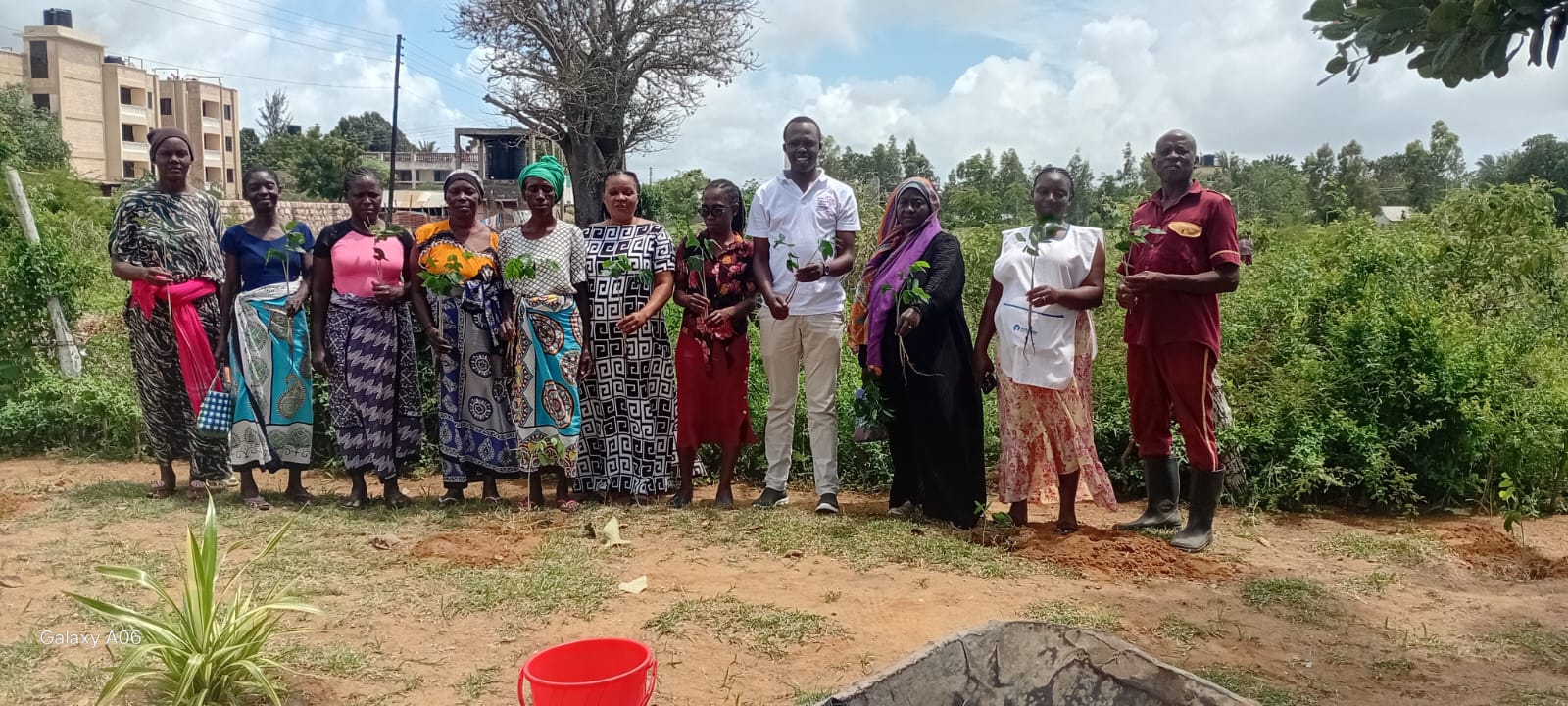
To mark World Environment Day, Echo Network Africa Foundation (ENAF) translated global climate goals into tangible community action today by joining forces with local grassroots networks to plant 1,000 mangrove seedlings and conduct a massive beach clean-up across the vital Mida Creek ecosystem.

The successful field deployment, driven by ENAF’s Blue Economy and Climate Action Initiative, was executed in close partnership with the Jivunie Vi Smart (JIVIS) CBO, one of ENAF’s key Local Implementing Partners in Kilifi. The entire exercise was spearheaded directly by local custodians, including Mida Creek Beach Management Unit (BMU) Chair Maulid Ngana, Community Forest Association (CFA) Chair Twahir Kiraga, and Dabaso Mwanzo Mpya Group Leader Beatrice Ngundi, who mobilized local women’s groups to lead the restoration.

For the women of Kilifi, wading into the tidal mud to secure these seedlings is a matter of household survival. Many of these women are active actors in mariculture and coastal economies, depending directly on a healthy creek for their daily income and family well-being. By restoring the mangrove canopy, the community is actively protecting critical fish breeding grounds, reversing coastal erosion, and building long-term climate resilience against severe environmental shocks.

Parallel to the planting, the community-led beach clean-up tackled local sanitation and public health, proving that environmental protection and community health go hand in hand. By matching local leadership with institutional backing, this initiative stands as a prime example of how grassroots partnerships can turn climate policy into immediate, life-changing economic and ecological benefits.

Girls Excel

ENAF and Malaysian High Commission Unveil 18th Mobile Science Lab at Kibera Primary School on Menstrual Hygiene Day

ENAF and Malaysian High Commission Unveil 18th Mobile Science Lab at Kibera Primary School on Menstrual Hygiene Day

To mark global Menstrual Hygiene Day under the theme “Together for a period friendly world,” Echo Network Africa Foundation (ENAF), through the generous giving of the Malaysian High Commission, officially handed over its 18th Mobile Science Laboratory countrywide at Kibera Primary School.

The deployment expands ENAF’s national educational footprint across 18 under-resourced schools in 14 counties, with Nairobi proudly joining the initiative. To ensure equity, beneficiary schools span regions from Murang’a and Kilifi to Marsabit and Busia, ensuring quality STEM access is never limited by geography or economic status.

Speaking at the launch, ENAF President & CEO Dr. Jennifer Riria highlighted the link between infrastructure and dignity under the Competency-Based Curriculum (CBC). “Access to practical science infrastructure through these mobile laboratories is absolutely essential to ignite innovation,” Dr. Riria stated. “However, institutional investments in STEM must be protected by investments in human dignity. A girl cannot utilize a state of the art laboratory if period poverty or social stigma forces her to stay at home.”

Through the Girls Excel Initiative, ENAF pairs STEM access with dignity support. In the current intervention quarter alone, ENAF has distributed 7,678 dignity kits containing sanitary towels to 3,855 girls, directly combating school absenteeism.

This milestone represents the second mobile lab delivered in partnership with the Malaysian High Commission, following their sponsorship of a lab for the Ngala School for the Deaf in Nakuru County. Emphasizing the power of collective philanthropy, Dr. Riria invited corporate partners and policymakers to co-invest in digital connectivity and mentorship networks to sustain learners’ scientific curiosity into lifelong careers.

Click to listen highlighted text!