Peace & Conflict Resolution Women's Leadership, Political Participation & Governance

Fair Electoral Reforms, Zero Violence Against Women: ENAF and DTF Issue Joint Call Ahead of 2027 Elections

Fair Electoral Reforms, Zero Violence Against Women: ENAF and DTF Issue Joint Call Ahead of 2027 Elections

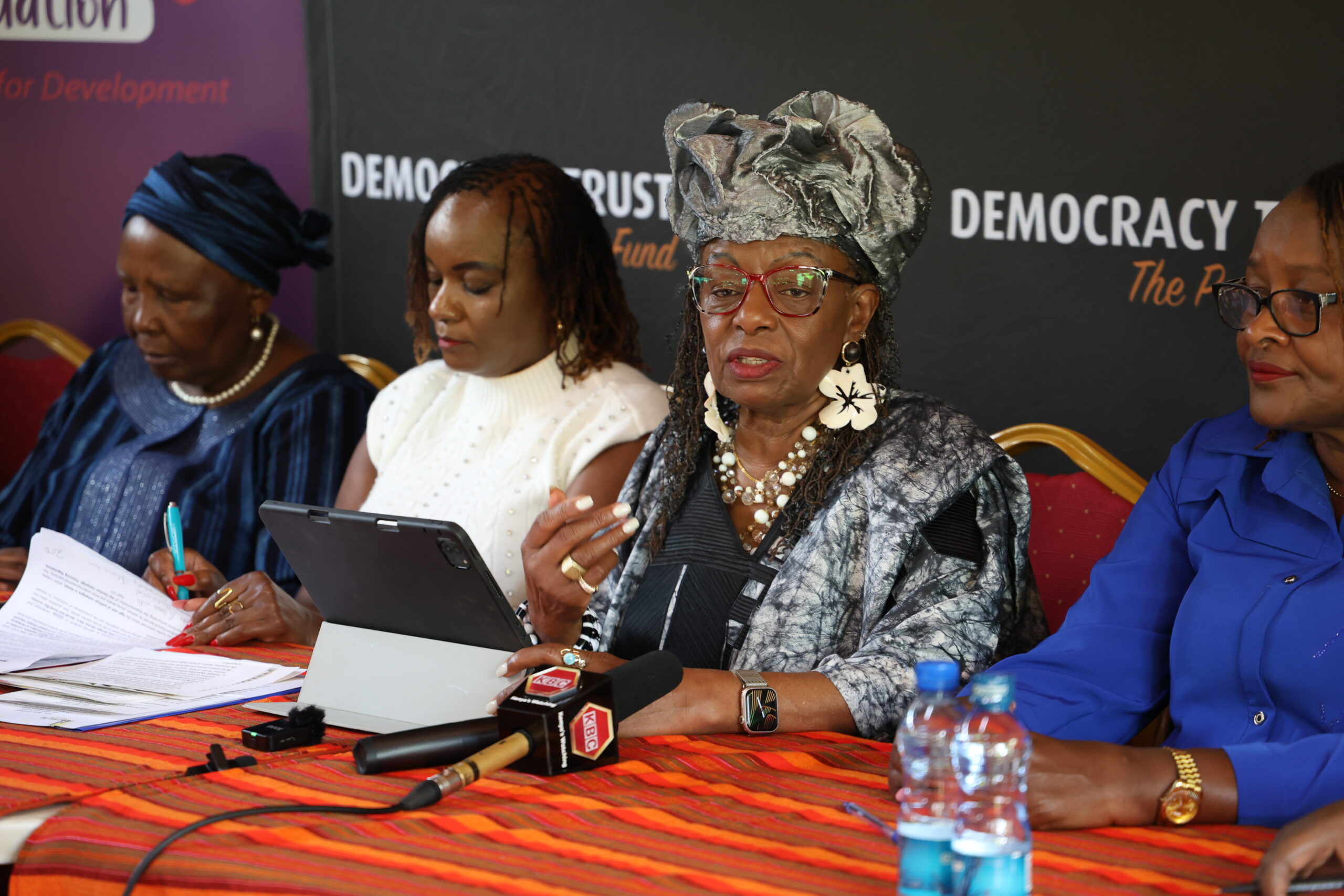
Echo Network Africa Foundation (ENAF), the Democracy Trust Fund (DTF), alongside Women Peace Actors and women leaders across Kenya, issued an urgent joint statement demanding fair electoral amendments and an immediate end to political violence targeting women.

As the country prepares for the 2027 General Elections, the coalition highlighted two critical threats to inclusive democratic participation: the implications of the Elections (Amendment) (No. 2) Bill, 2024, and a disturbing surge in early electoral violence.

Safeguarding Transparency in Electoral Reforms

The coalition expressed deep concern over the Elections (Amendment) (No. 2) Bill, 2024, which is currently before the Senate. The proposed amendments raise critical questions regarding political party primaries, dispute resolution, public access to the voter register, and the livestreaming of election results. ENAF and DTF stressed that any legislative changes must strengthen safeguards for fair political competition, demanding transparent party nominations, clear legal frameworks for dispute resolution between the IEBC and the Political Parties Disputes Tribunal, and accessible voter registration.

Zero Tolerance for Electoral Violence

The statement strongly condemned the normalization of violence, intimidation, and gender-based harassment. The coalition cited alarming evidence from the 2022 elections, where FIDA Kenya documented 1,746 cases of election-related sexual and gender-based violence, with verbal abuse and hate speech accounting for 54% of incidents and cyberbullying for 23%.

Recent incidents across Kisii, Baringo, Kisumu, Meru, Nairobi, and Homa Bay counties—including reported physical attacks, public heckling, and property damage targeting women aspirants—demonstrate that these risks remain an urgent threat well ahead of the formal election period.

A Unified Call to Action

The coalition outlined a priority action plan for key national institutions:

  • Security and Protection: The National Police Service (NPS) and IEBC must map electoral hotspots and ensure prompt responses to threats against women.
  • Accountability: The Directorate of Criminal Investigations (DCI) and the Office of the Director of Public Prosecutions (ODPP) must ensure prompt, impartial investigations into reported violence.
  • Responsible Conduct: The Office of the Registrar of Political Parties (ORPP) and the National Cohesion and Integration Commission (NCIC) must strictly enforce codes of conduct to curb hate speech and intimidation.

Safeguarding women in politics is a shared national responsibility. ENAF and DTF remain committed to engaging institutions and stakeholders to ensure the 2027 elections are peaceful, credible, and truly inclusive.
Organizational News Women's Leadership, Political Participation & Governance

The Echo Effect: From Kenya to the rest of Africa

The Echo Effect: From Kenya to the rest of Africa

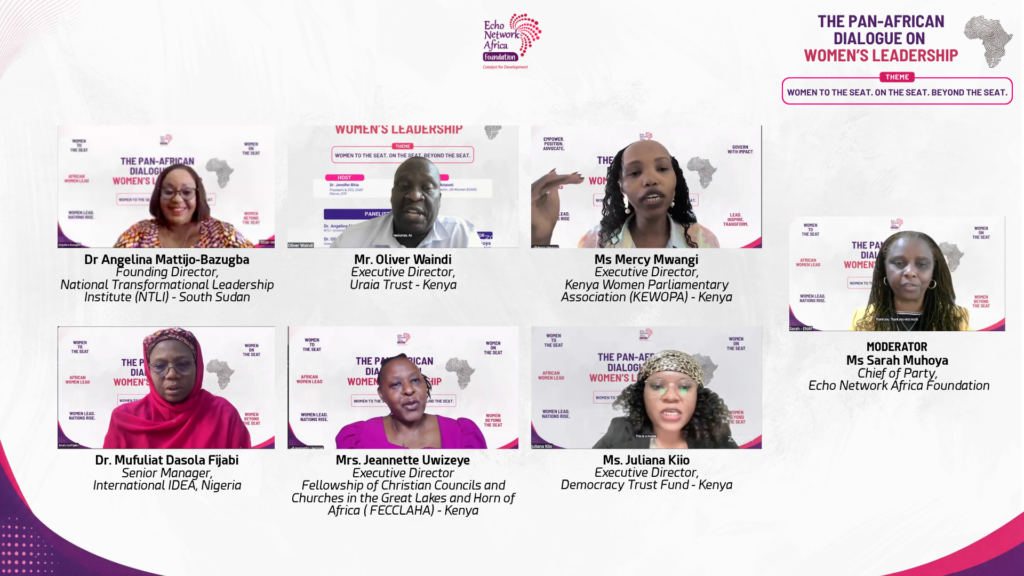
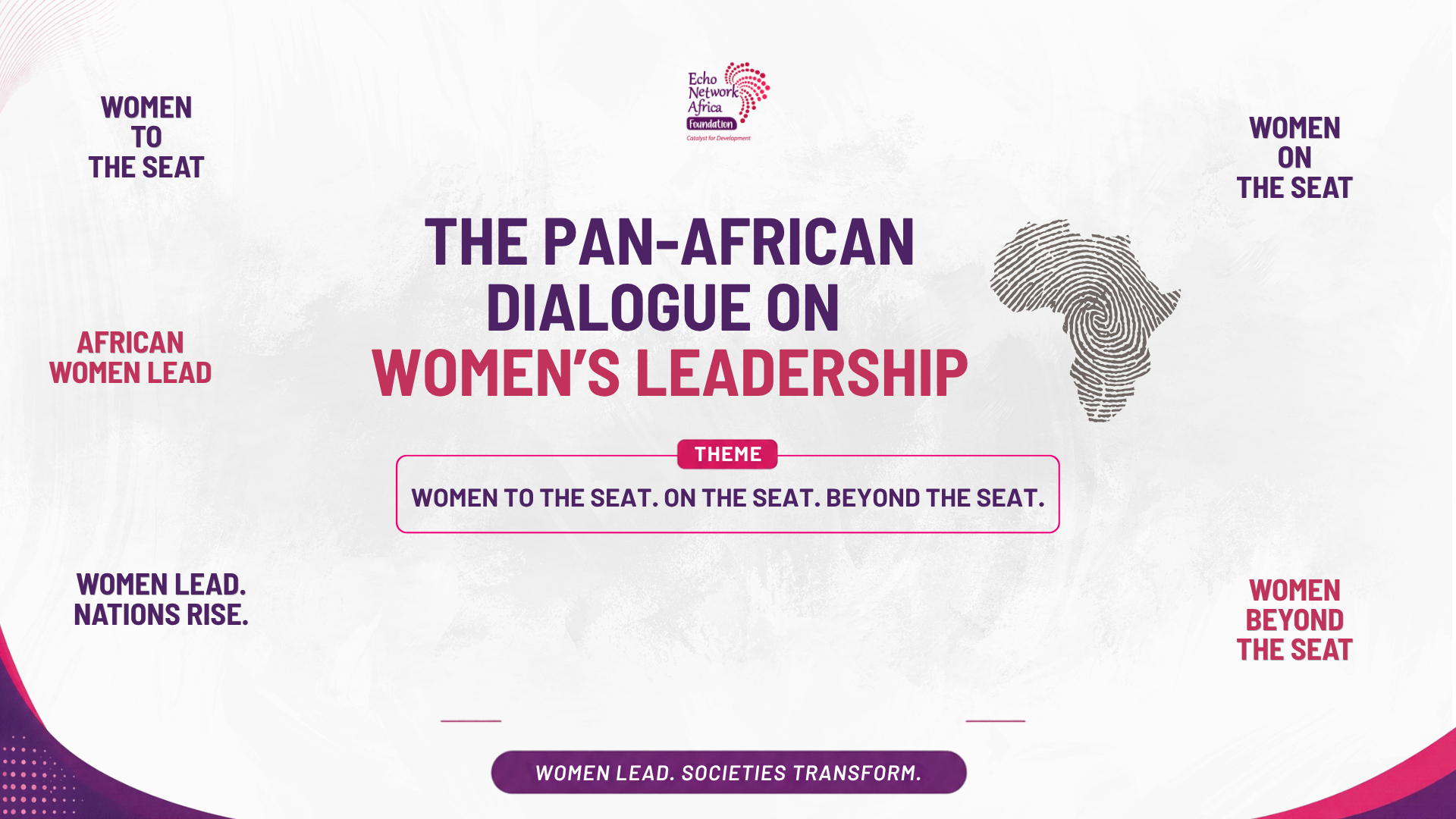
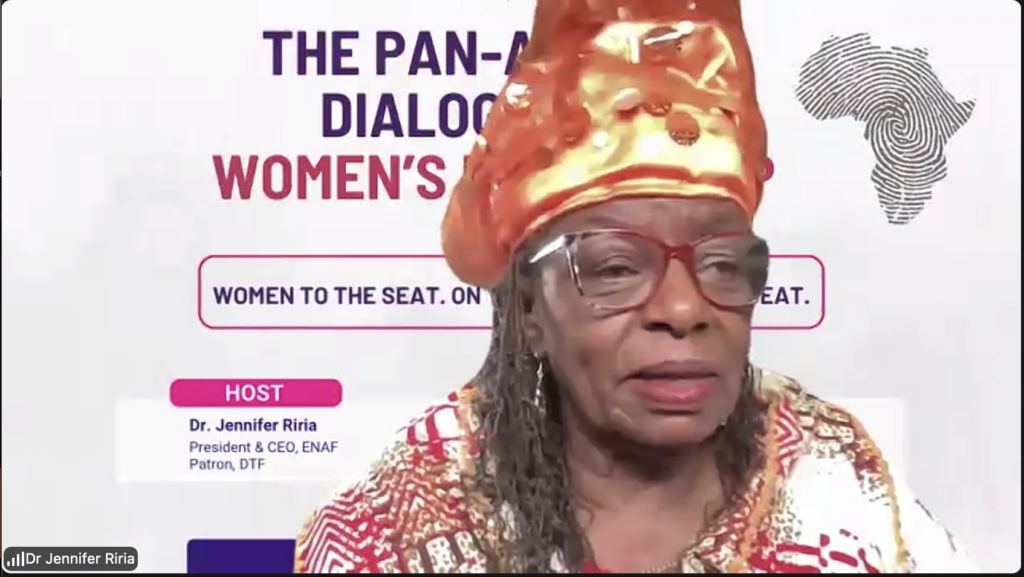
Echo Network Africa Foundation (ENAF) held its inaugural South-to-South Pan-African Dialogue on Women’s Leadership on September 17, 2026. The virtual dialogue brought together more than 200 participants from eleven countries, most of whom were from Africa. The dialogue focused on the theme: “Women to the Seat, On the Seat, Beyond the Seat.” Speaking at the event, Dr. Jennifer Riria, ENAF’s President and CEO, anchored the dialogue in the “Echo effect,” the idea that a solution developed in one community can be easily replicated in other countries on the continent, hence the ‘Echo’ effect. Setting a tone of fierce urgency, Dr. Riria challenged the continent with the shocking question: “Are we prepared to wait 120 to 150 years for Africa to close the gender gap?” Dr. Riria emphasized that “girls and women are central to societal transformation. The future of Africa is its women, and it is time we stand together, step forward, and boldly declare that we will lead Africa.”

Dr. Jennifer Riria, President and CEO of ENAF, delivering her opening keynote address

Other notable speakers included Dr. Angelina Mattijo-Bazugba, Founding Director of the National Transformational Leadership Institute (NTLI) in South Sudan, who spoke extensively on affirmative action. Others included Dr. Oliver Waindi of Uraia Trust (Kenya), who spoke on trends in governance and women’s inclusion; Ms. Mercy Mwangi of KEWOPA (Kenya) on legislative mastery; Dr. Mufuliat Dasola Fijabi of International IDEA (Nigeria), who spoke about resource mobilization; Mrs. Jeannette Uwizeye of FECCLAHA (Kenya) on electoral security; and Ms. Juliana Kiio of DTF (Kenya) on campaign financing. At the end of the dialogue, participants agreed that representation is a doorway, influence is the destination, and no woman should have to build a political career alone. They also agreed that Africa already has many of the experiences needed to inform the next generation of women’s leadership programs and committed to adapting these cross-border solutions to support candidates across the continent.

The inaugural webinar is part of the ENAF Expansion initiative, which seeks to extend the ENAF model of development and women-centric approaches to other countries on the continent, hence the South-to-South dialogue. By creating a regular space for practical exchange, ENAF aims to build a platform for sharing, learning, and unlearning, as well as to provide indigenous solutions to systemic leadership challenges as it expands its regional footprint. 

Panelists and moderator of the Inaugural South-to-South Pan-African Dialogue on Women’s Leadership, held on 17th September 2026

Watch the full recording of the Inaugural Pan-African Dialogue on Women’s Leadership on YouTube: https://www.youtube.com/live/9NM4x2tJY_k

Women's Leadership, Political Participation & Governance

Shaping 2027 and Beyond: ENAF, DTF and UN Women Evaluate Historic Gender Gains in Bungoma

Shaping 2027 and Beyond: ENAF, DTF and UN Women Evaluate Historic Gender Gains in Bungoma

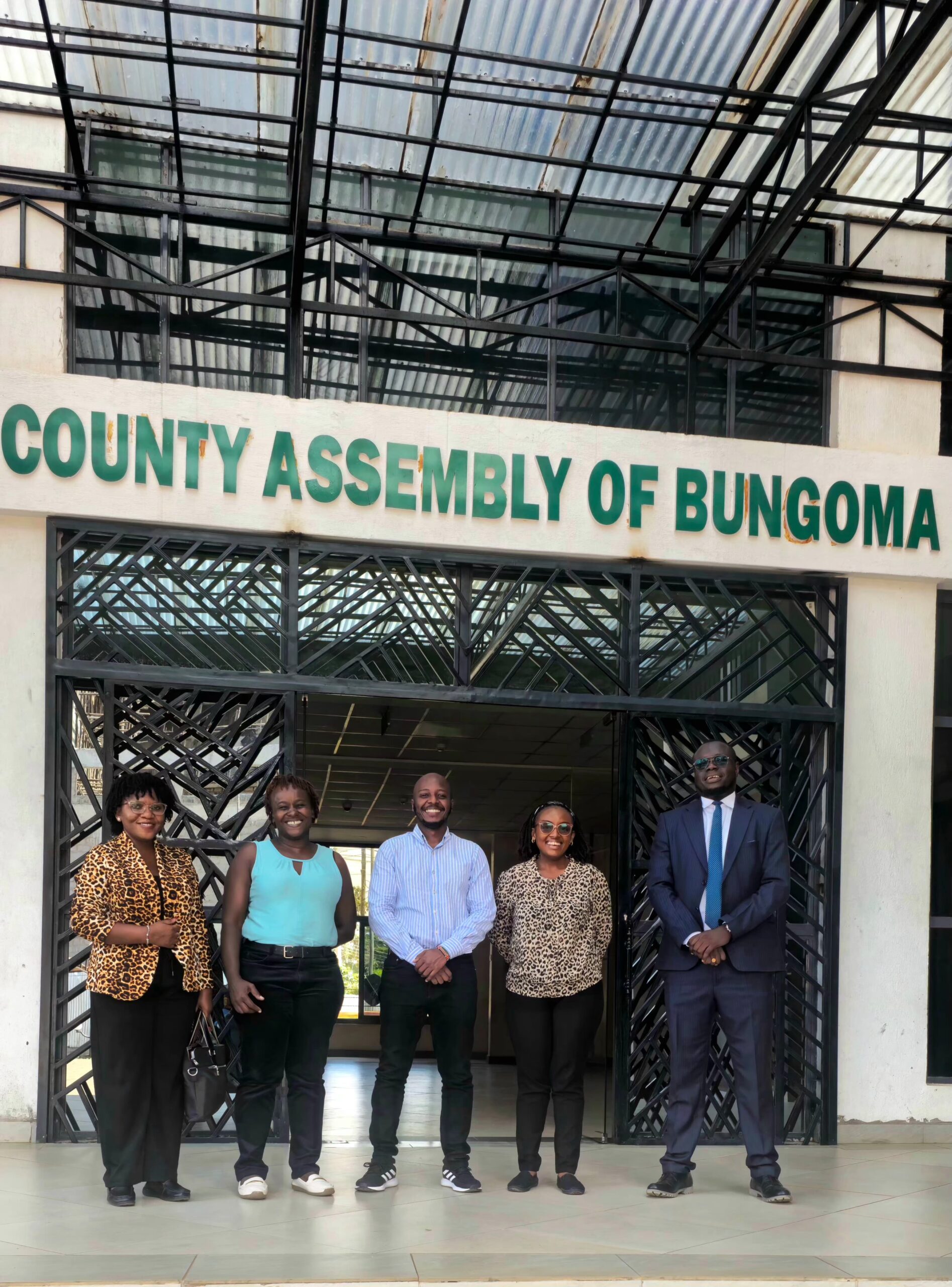
Echo Network Africa Foundation (ENAF), alongside the Democracy Trust Fund and the UN Women East and Southern Africa Regional Office, successfully concluded a two-day evaluation mission in Bungoma County. The joint field assessment evaluated the long-term impact of the Ireland-funded Preserving and Expanding Gender Gains Programme, implemented across Bungoma and Vihiga Counties from 2023 to 2025. Designed as part of UN Women’s outgoing 2023–2026 Strategic Note review, the mission’s findings will directly inform strategic investment priorities for the upcoming 2027–2029 cycle.

During the mission, the delegation held high-level discussions with key county leadership, including Deputy Governor H.E. Pst. Janepher Mbatiany, Gender CECM Mr. Benedict Emachar, county gender officials, and Members of the County Assembly. To capture the full scope of the program’s impact, the team also conducted community focus groups with grassroots women and beneficiaries across various sub-counties. These discussions highlighted significant gains in women’s leadership capacity, civic engagement, and political readiness ahead of the 2027 General Elections.

The evaluation highlighted major milestones, including the launch of the Bungoma County Women’s Manifesto, the adoption of progressive gender, child protection, and disability policies, and the operationalization of the Women’s Leadership Pillar within the Intergovernmental Gender Sector Working Group. Building on these successes, ENAF and its partners will use the mission’s insights to help translate existing policy frameworks into enforceable regulations, securing sustainable governance measures for women’s empowerment across the region.

Women's Leadership, Political Participation & Governance

Stakeholders Unite to Advance Gender-Responsive Electoral Governance Ahead of 2027 General Elections

Stakeholders Unite to Advance Gender-Responsive Electoral Governance Ahead of 2027 General Elections

As Kenya prepares for the 2027 General Elections, key institutions and civil society partners gathered in Nairobi for a national dialogue focused on dismantling systemic barriers to women’s political leadership.

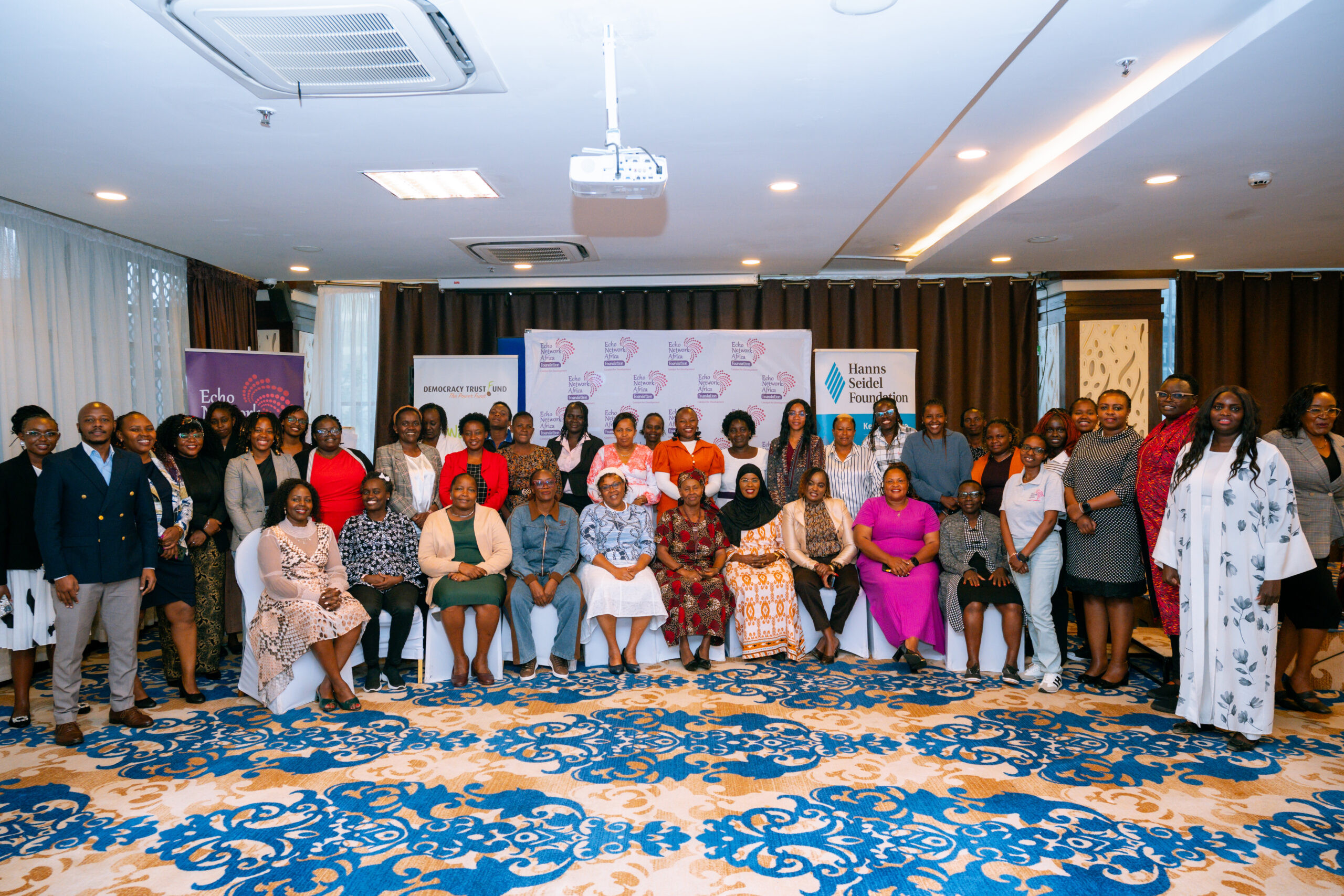
Echo Network Africa Foundation (ENAF), in partnership with the Democracy Trust Fund (DTF) and with support from the Hanns Seidel Foundation (HSF), convened the National Multi-Stakeholder Dialogue and Sensitization Forum on Gender-Responsive Electoral Governance. The high-level forum brought together over 70 representatives from across Kenya’s electoral governance ecosystem to establish concrete strategies for inclusive democratic processes.

Participating state and non-state actors included the Independent Electoral and Boundaries Commission (IEBC), the Office of the Registrar of Political Parties (ORPP), the National Gender and Equality Commission (NGEC), the National Cohesion and Integration Commission (NCIC), the Political Parties Liaison Committee (PPLC), the State Department for Gender and Affirmative Action (SDGAA), and the Political Parties Disputes Tribunal (PPDT). They were joined by representatives from political parties, security agencies, civil society organizations (CSOs), and women’s rights organizations (WROs).

Throughout the deliberations, delegates addressed the persistent structural, financial, and socio-cultural barriers that continue to limit women’s active political participation. The discussions generated actionable recommendations aimed at strengthening the enforcement of existing electoral laws, enhancing party-level compliance with gender parity principles, and safeguarding female candidates throughout the electoral cycle.

Crucially, the forum underscored that achieving true gender responsiveness requires cross-sectoral coordination and shared accountability. The commitments established during the session will serve as a framework for continued advocacy, joint monitoring, and targeted capacity-building. By aligning key institutions behind a unified agenda, the coalition aims to foster an electoral environment that effectively prepares, positions, and supports more women to successfully run for and win elective office in 2027.m, including the Independent Electoral and Boundaries Commission (IEBC), the Office of the Registrar of Political Parties (ORPP), the National Gender and Equality Commission (NGEC), the National Cohesion and Integration Commission (NCIC), the Political Parties Liaison Committee (PPLC), the Political Parties Disputes Tribunal (PPDT), political parties, security agencies, civil society organizations (CSOs), women’s rights organizations (WROs), and other key electoral stakeholders.

The discussions generated practical recommendations to address the persistent barriers limiting women’s political participation, strengthen the implementation and enforcement of electoral laws and policies, and promote more inclusive and gender-responsive electoral governance.

The forum also underscored the importance of stronger coordination and shared accountability among electoral stakeholders. The commitments made will guide continued advocacy and collective action towards creating an electoral environment that prepares, positions, and supports more women to run for and win elective office in the 2027 General Elections.

Organizational News Women's Leadership, Political Participation & Governance

A Safe Kenya is Good for All: Press Statement by the Women of Kenya

A Safe Kenya is Good for All: Press Statement by the Women of Kenya

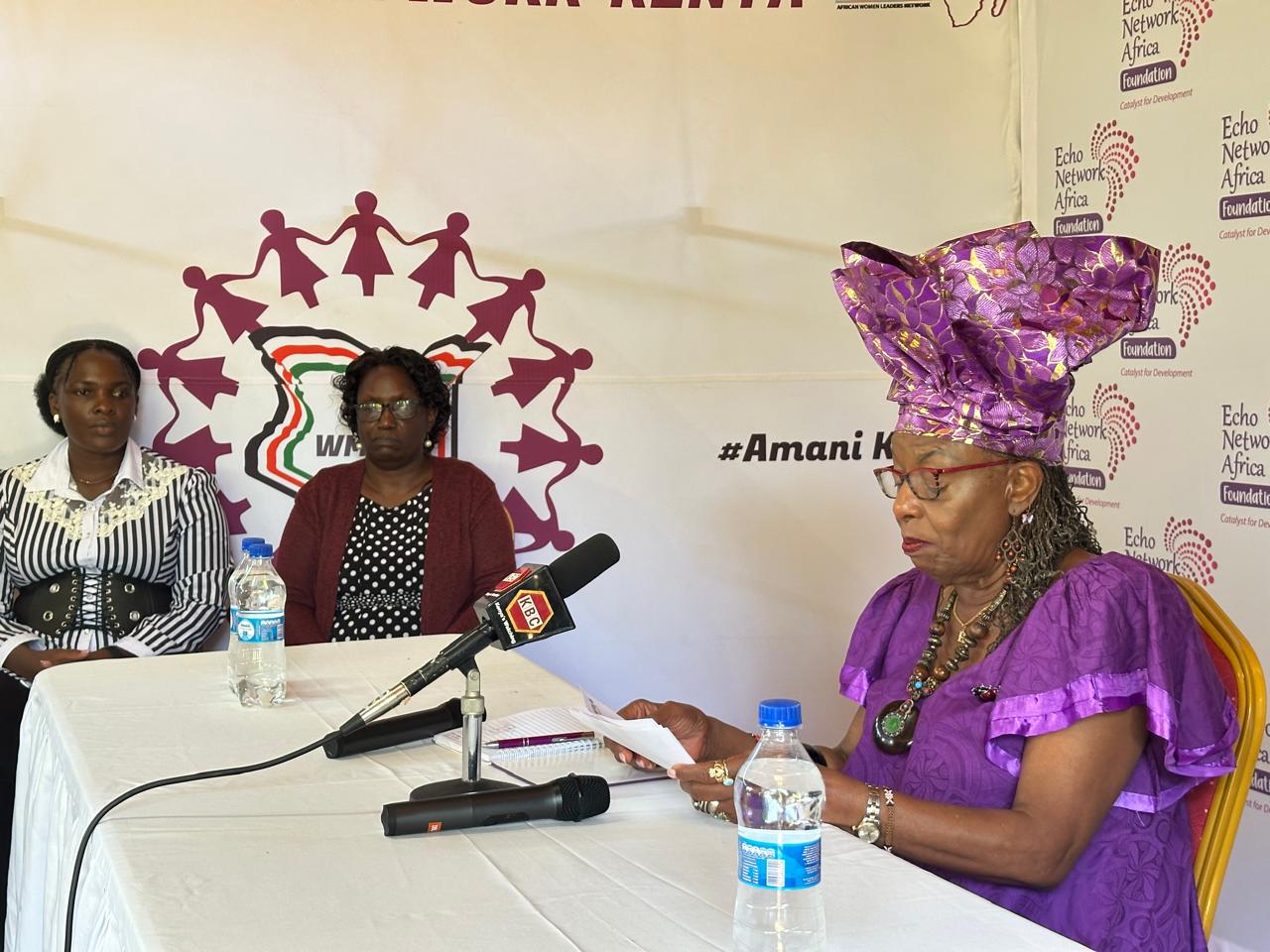
Kenyan women, under the auspices of Echo Network Africa Foundation (ENAF), the African Women Leadership Network (AWLN-Kenya) Chapter, and the Democracy Trust Fund (DTF), have issued a collective call for national security, education reform, and urgent action against gender-based violence.

Defending Sacred Spaces and National Security

The women of Kenya decry the worsening state of security and condemn those perpetrating violence. A primary concern raised is the recent disregard for civility evidenced by the teargassing and firing of bullets at worshippers in a church. The statement reminds the nation that places of worship are sacred spaces where women, children, and persons with disabilities find solace. Duty bearers, including law enforcement officers, the NCIC, and the ODPP, are urged to show more vigilance and sincerity in tackling violence and prosecuting perpetrators in strict adherence to the rule of law.

Addressing the Crisis in Education

Deep concerns were raised regarding the mishandling of Competence-Based Education (CBE). Issues highlighted include low transition rates from Junior to Senior School, chaotic placement processes from Grade 9 to Grade 10, and the high cost of education.

To address these challenges, the women of Kenya propose that all bursaries be consolidated into one basket to manage the financial and infrastructural crisis. The statement also commends the resilience and kindness shown by the community, such as the women from Kiboi Market in Kisii who raised over Ksh 80,000 to take an orphan girl to school, dismantling the myth that women are their own enemies.

Declaring GBV a National Disaster

The statement welcomes the report and recommendations of the Presidential Technical Working Group on Gender-Based Violence (GBV) and Femicide led by Dr. Nancy Baraza. The women of Kenya support the recommendation that H.E. the President urgently proclaim GBV as a national disaster. They commit to supporting the full implementation of these recommendations and standing behind the President in the war against GBV and technology-facilitated violence.

Conclusion

The women of Kenya conclude by committing to create safe spaces for intergenerational conversations to enhance national cohesion and mentorship. A safe and growing Kenya is good for all.


Click to listen highlighted text!