
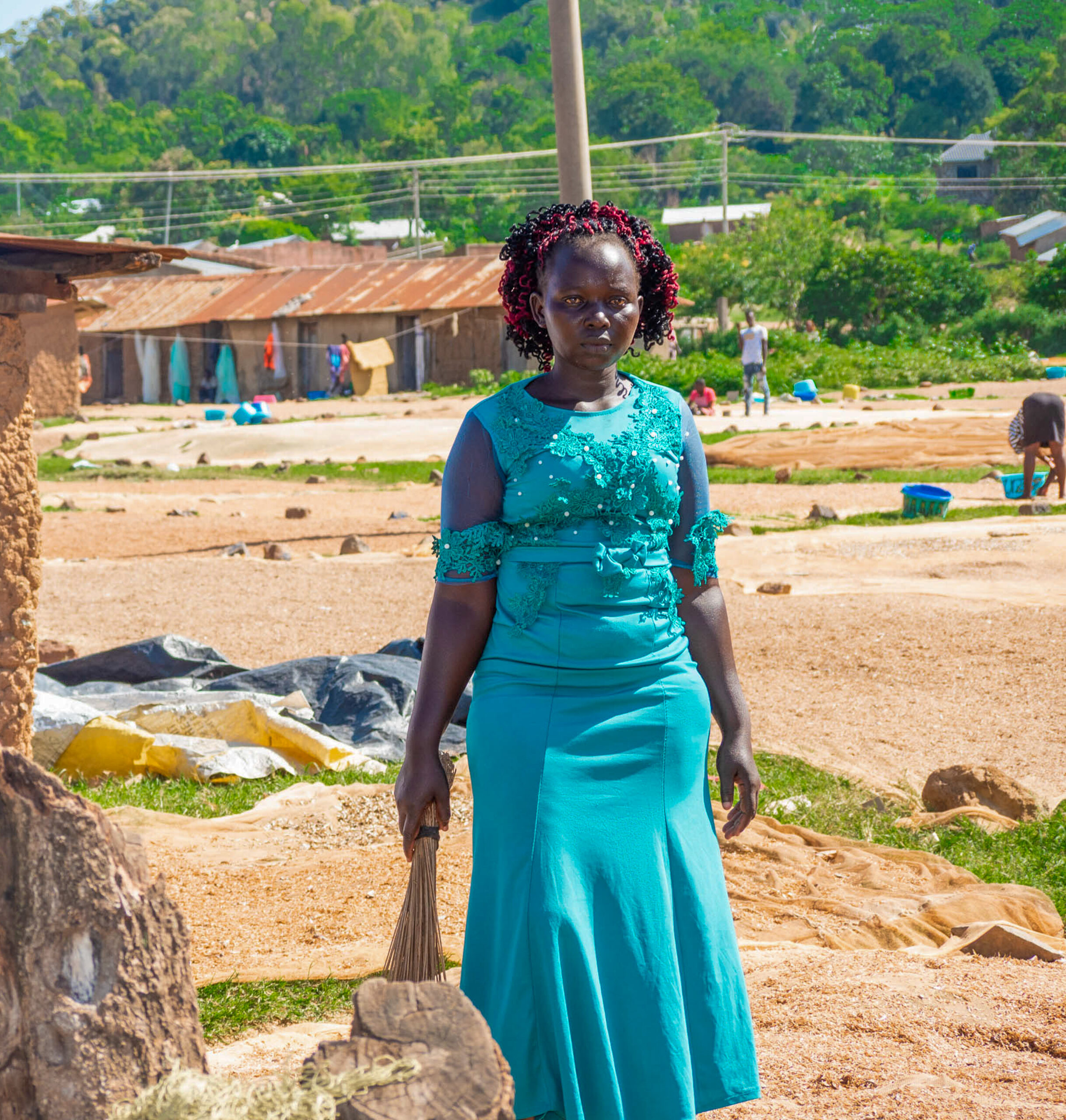
From the Shadows of Exploitation to the Forefront of Community Leadership at Omena Beach
“I am no longer afraid. I can now speak out and report any form of abuse. I know my rights.”
For Edna Obwory Khomo, a 33-year-old fish monger at Omena Beach, these words mark the end of a period defined by silence and uncertainty. Before the intervention of Echo Network Africa Foundation (ENAF), Edna’s life was a daily struggle against both economic instability and systemic exploitation. Today, she has transitioned from a fearful trader into a confident, diversified entrepreneur and a vocal advocate for women’s rights at Omena Beach in Busia County.
This transformation highlights the success of the ENAF Aqua-Enterprise Program in addressing the barriers facing women in fishing communities: financial illiteracy, nutritional insecurity, and gender-based violence (GBV). By moving beyond simple aid and focusing on group formalization and skill acquisition, ENAF has empowered Edna to reclaim her dignity and secure her family’s future.
Before ENAF stepped in, Edna’s business was dictated by guesswork. Without formal records, she was unable to distinguish between profit and loss, often mixing her business capital with household expenses. This financial vulnerability was compounded by a predatory environment at the beach, where female traders often faced pressure to engage in inappropriate relationships with boat owners just to access fish. Powerless and lacking the confidence to speak out, Edna navigated a workspace that felt fundamentally unsafe.
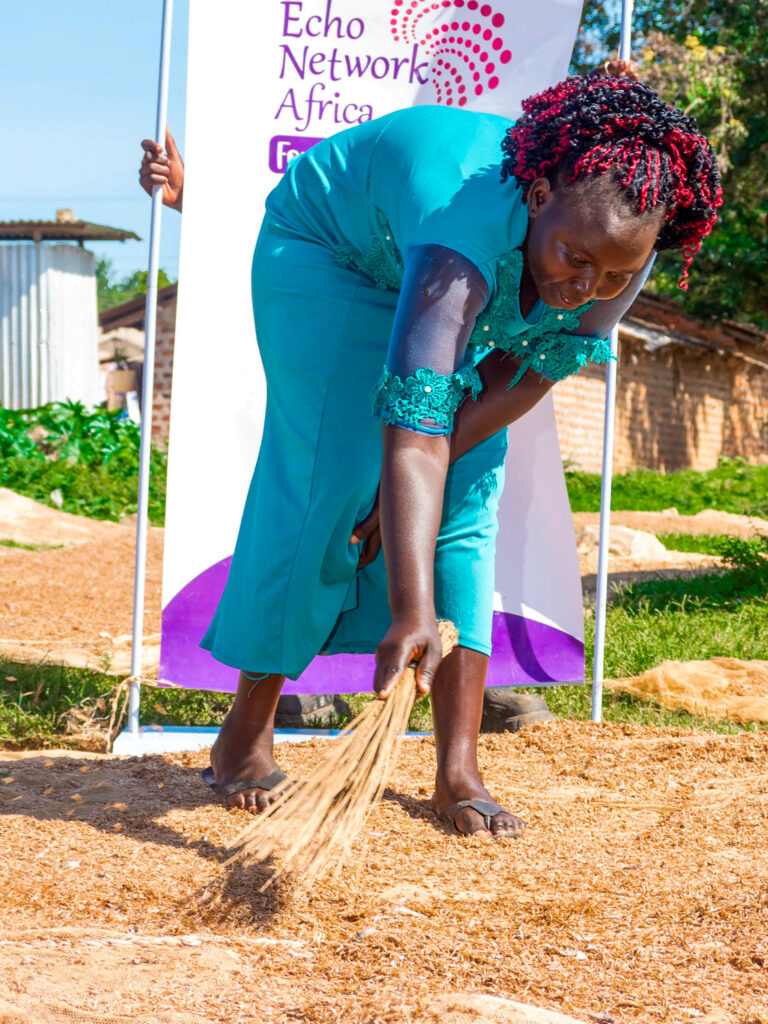
The turning point occurred when ENAF, through her Local Implementing Partner in Busia, SABCO CBO, identified an informal “merry-go-round” savings group that Edna was part of and enrolled them in a comprehensive economic and social strengthening program. ENAF did not just build the capacity of the group through training, but supported formalization of the “Achievers Young Women Group,” through constitution development, and their official registration with the Department of Social Services. This group structuring process positioned Edna and her group members to receive vocational skilling in financial literacy, entrepreneurship, community hygiene and sanitation including hand washing, soap making and sanitation management training, as well as kitchen gardening.
Subsequently, Edna realized drastic reduction of losses when she learnt how to separate her business money from her domestic funds, therefore maintaining a steady stream of business capital. Now equipped with knowledge and skills to manage a kitchen garden, Edna observed a significant drop in her household food and utilities expenses as she now harvests kale and spinach from her own kitchen garden and produces her own detergent. “Today, I am proud because I can manage my business well and know whether I am making a profit or a loss,” Edna says. Furthermore, the liquid soap she produces has become a secondary income stream, sold to neighbours and fellow traders during the market’s peak hours.
Beyond the balance sheet, the most profound change is Edna’s newfound social status. Once a shy young woman who feared harassment, now serves as a role model within her group, guiding others on record-keeping and reporting gender based violence cases to the Beach Management Unit (BMU) and local authorities. While challenges such as limited expansion capital and market competition remain, Edna is no longer navigating them alone. Her story serves as a blueprint for how targeted interventions can turn a vulnerable trader into a knowledgeable leader, proving that when a woman knows her rights and her worth, an entire community begins to thrive.