Organizational News

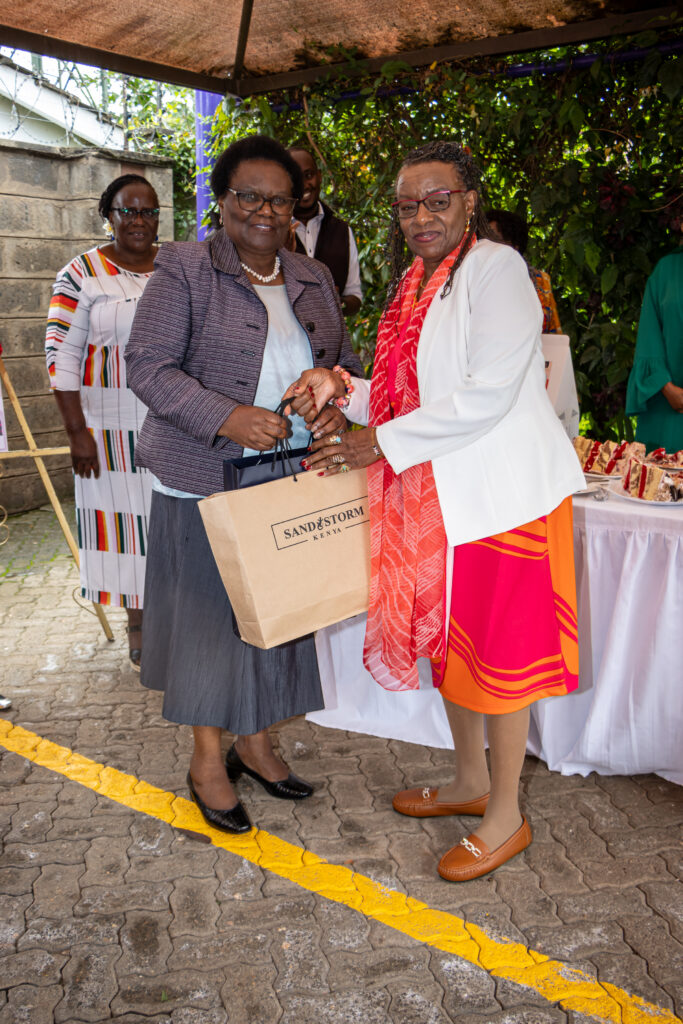
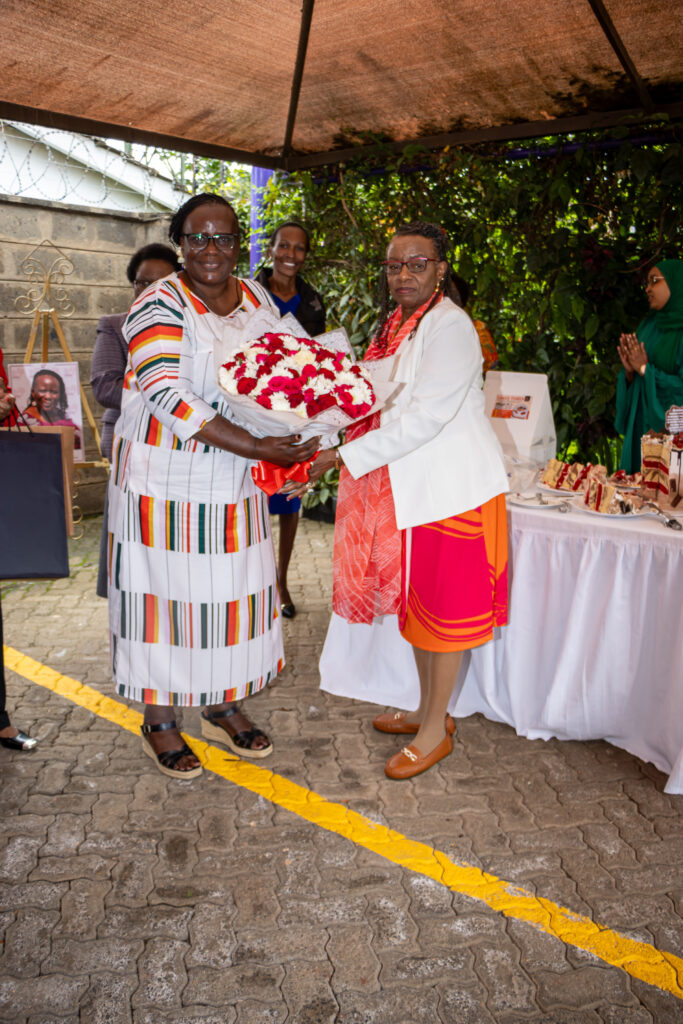
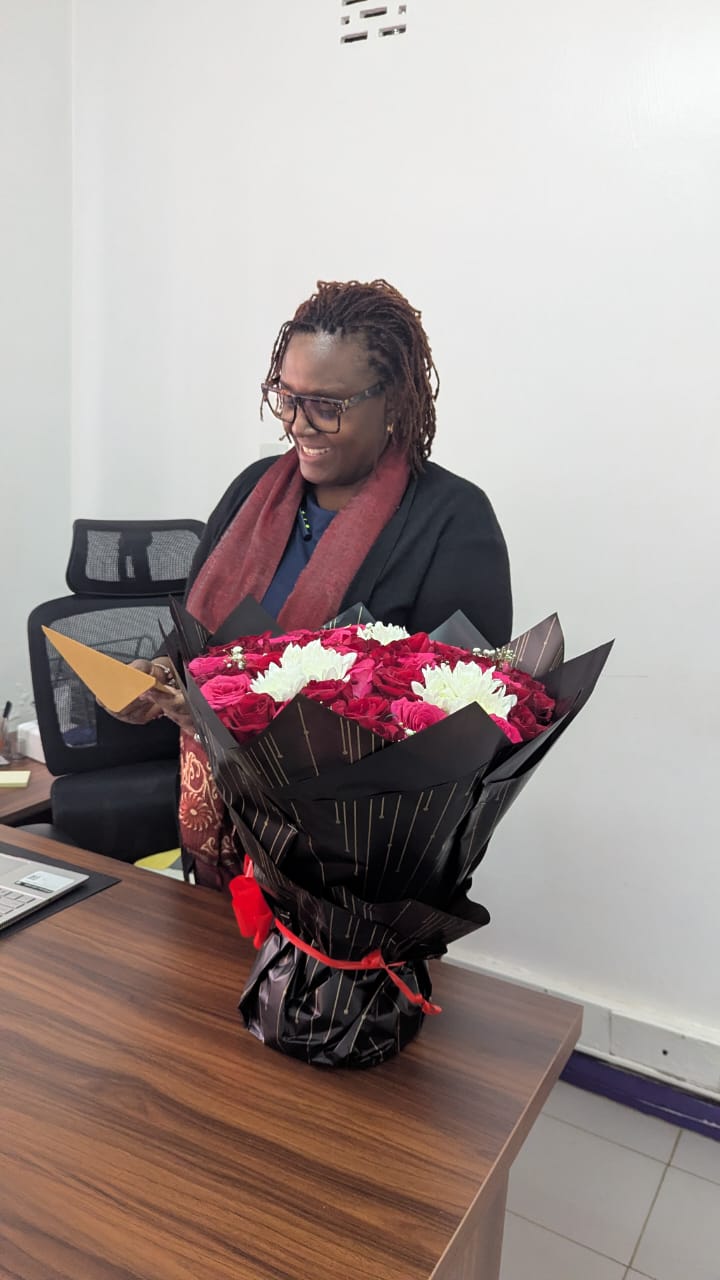
Welcoming Susan Nkubitu: New Senior Coordinator – Programs

Welcoming Susan Nkubitu: New Senior Coordinator – Programs

Echo Network Africa Foundation (ENAF) is proud to welcome Susan Nkubitu as the Senior Coordinator – Programs, joining the Senior Management Team in April 2026. Susan brings over two decades of expertise in program quality, management and development, with a strong track record of leading high-impact, inclusive initiatives. Her professional background is set to be one of the cornerstones in ENAF’s mission to catalyze the creation of an inclusive society where girls and women, particularly those with disabilities and from marginalized communities, can enjoy their full rights and participate actively in society.

As the 52nd member of our dedicated team, Susan will provide strategic leadership across ENAF’s diverse Programme Centres. In this role, she will be instrumental in shaping program direction and strengthening delivery approaches to ensure sustainable change.

Organizational News

Double Victory for ENAF and Dr. Jennifer Riria at the 8th Edition DIAR Awards

Double Victory for ENAF and Dr. Jennifer Riria at the 8th Edition DIAR Awards

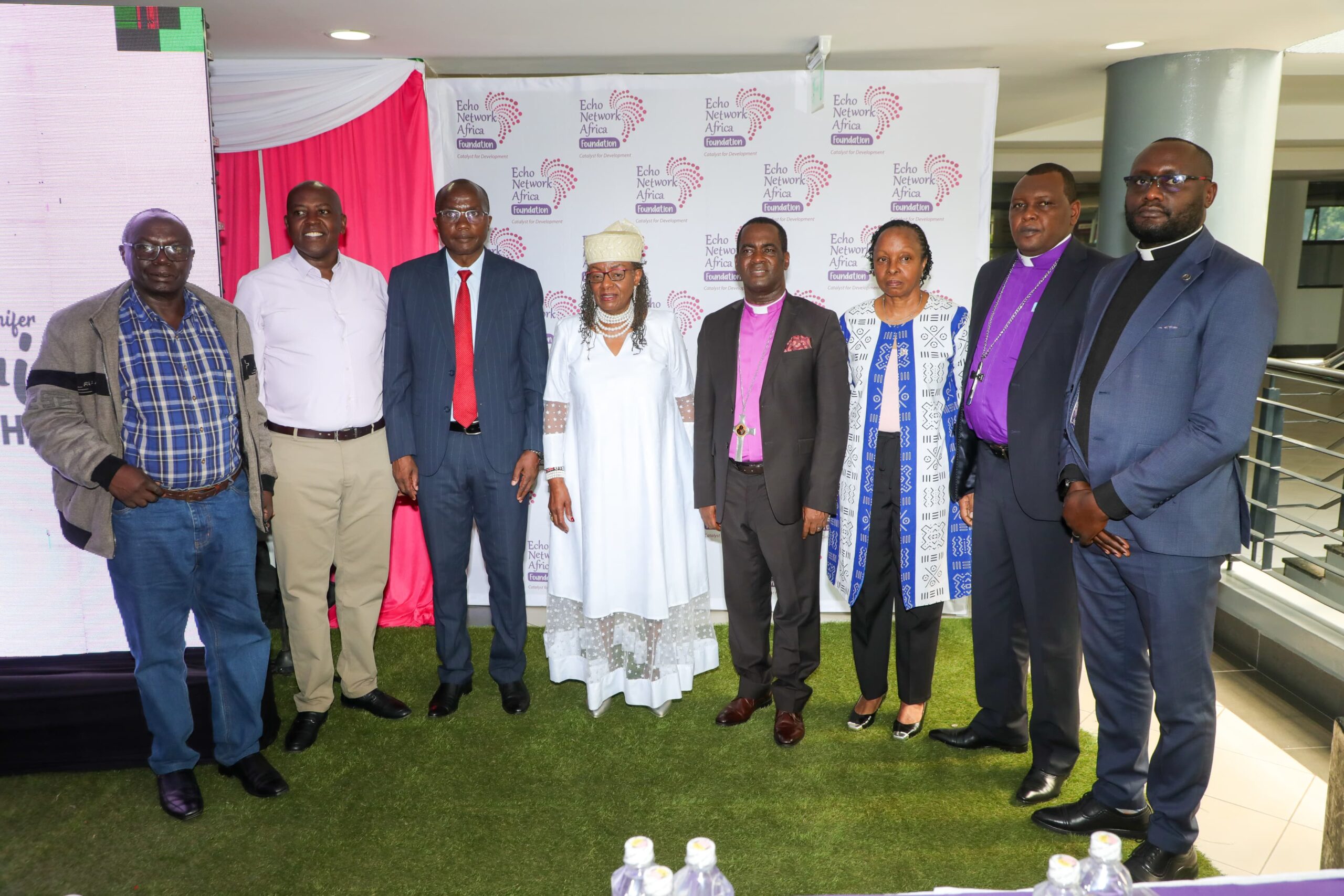
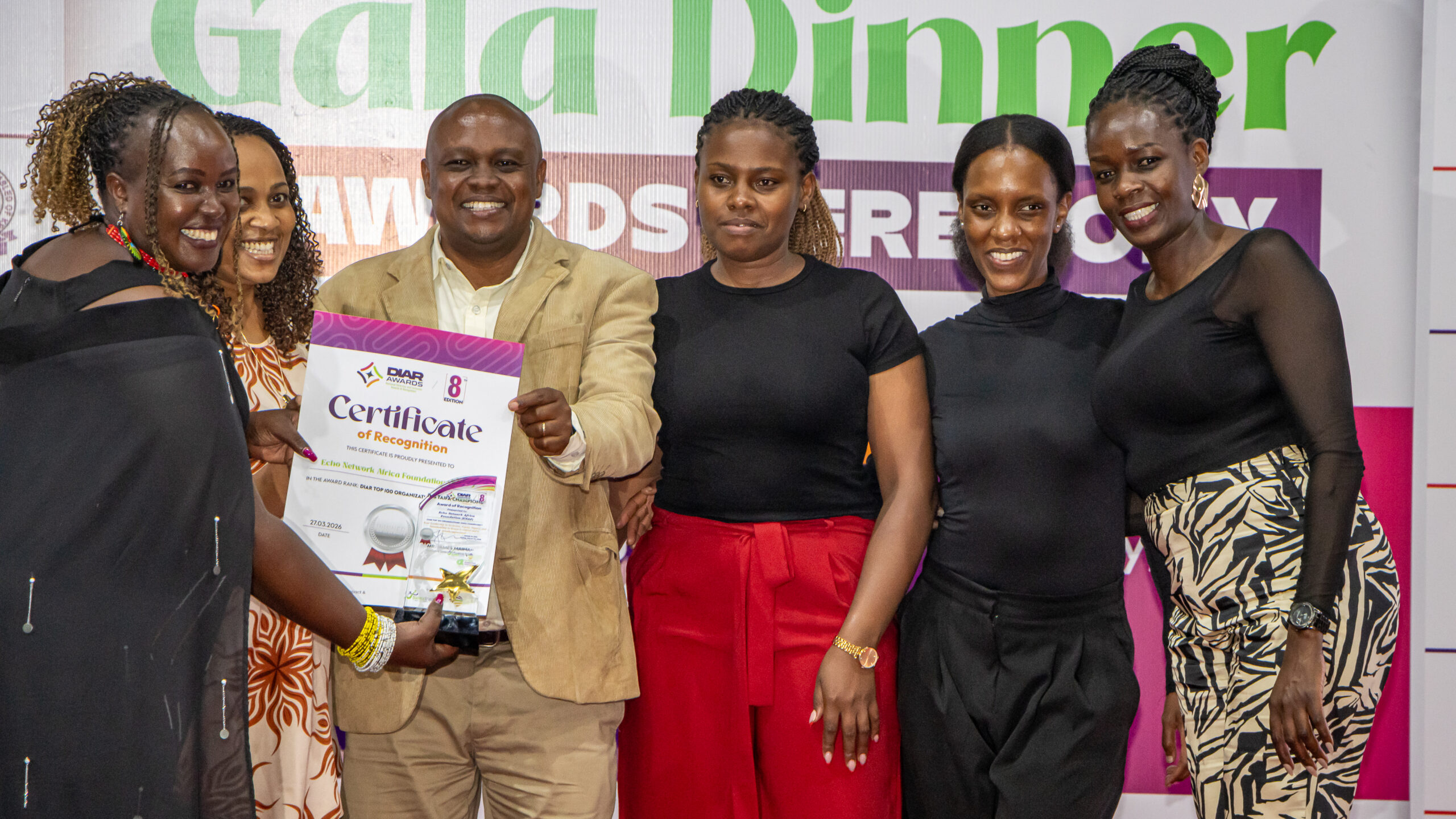
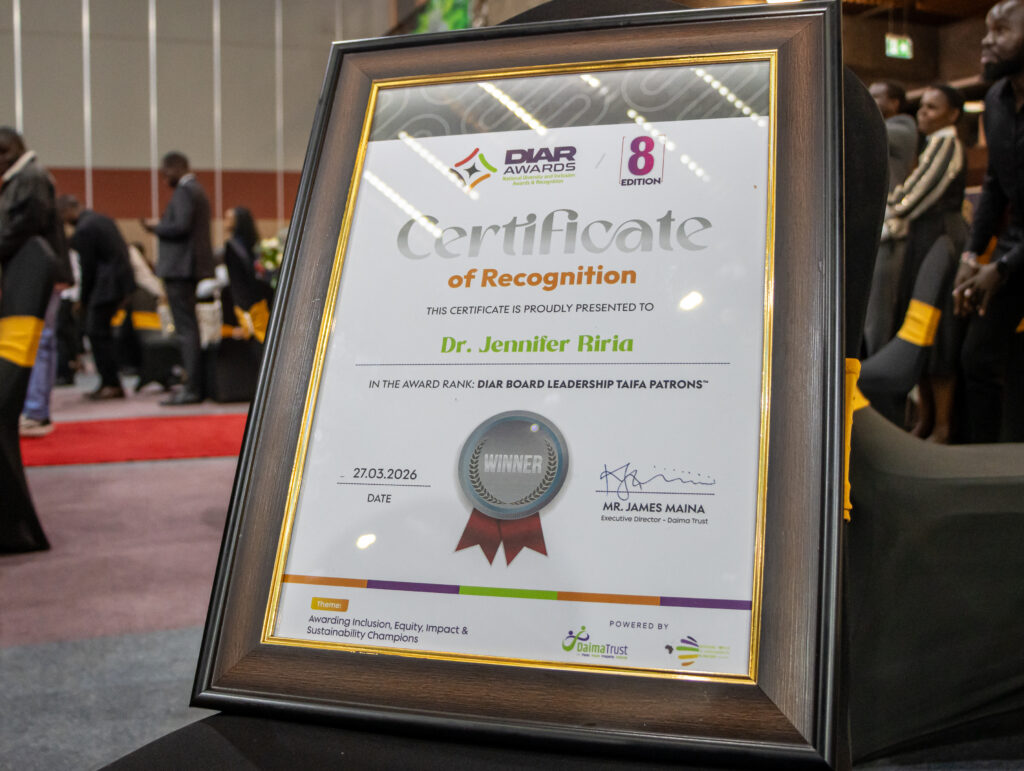
Echo Network Africa Foundation (ENAF) and President and CEO, Dr. Jennifer Riria, have been accorded top national honors at the 8th Edition of the National Diversity and Inclusion Awards & Recognition (DIAR Awards) held at the KICC.

In a standout recognition, Dr. Jennifer Riria was honored with the prestigious DIAR Board Leadership Taifa Patron rank, placing Number 1 out of Top 30 Executives. This marks the second time the DIAR Awards have recognized Dr. Riria for her transformative leadership, following her previous recognition for National Diversity and Inclusion. This distinguished honor is reserved for executive leaders who have demonstrated exceptional governance and visionary leadership in shaping Kenya’s future through inclusion, equity, and sustainability.

Further cementing its impact, ENAF was ranked 13th among the DIAR Top 100 Taifa Organizations. This high-level national ranking validates ENAF’s journey as a catalyst for development and its relentless work in dismantling systemic barriers for marginalized groups across all 47 counties.

This dual recognition at the DIAR Awards 8th Edition reinforces ENAF’s position as a national leader in social transformation. With a presence in every county, the foundation remains committed to creating sustainable impact. For Dr. Riria and the entire ENAF team, these awards celebrate a legacy of ensuring that marginalized voices are leading Kenya’s development agenda.

Kuza Jamii

Thriving Beyond Physical Challenges Through Family Unity

Thriving Beyond Physical Challenges Through Family Unity

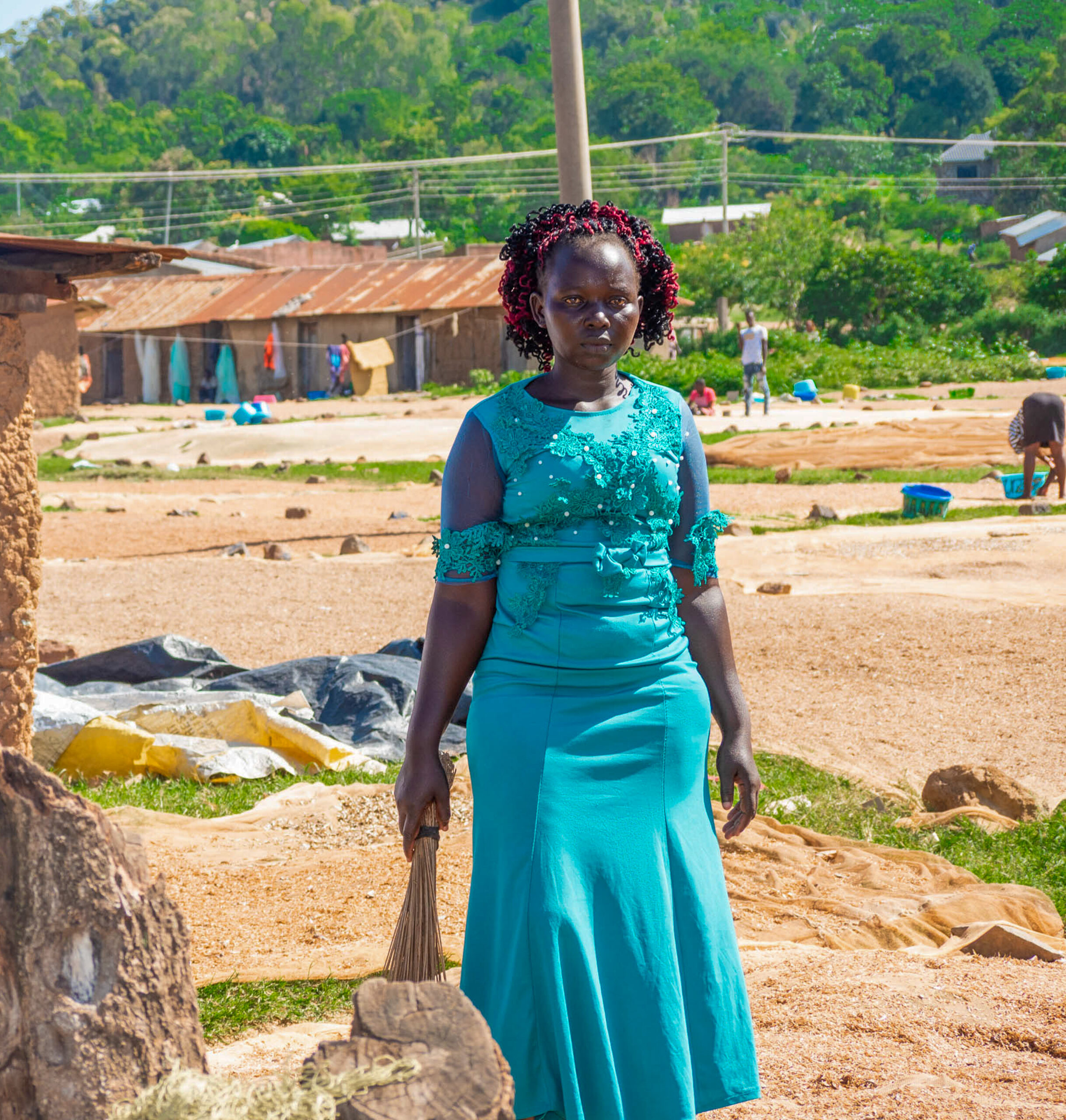
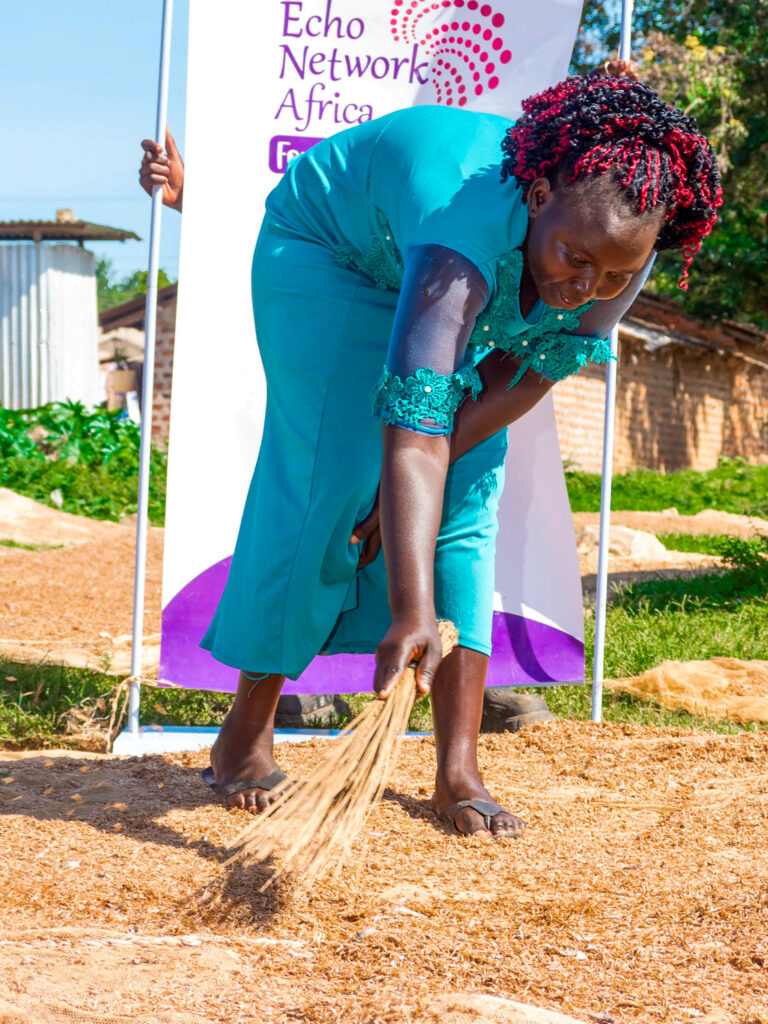
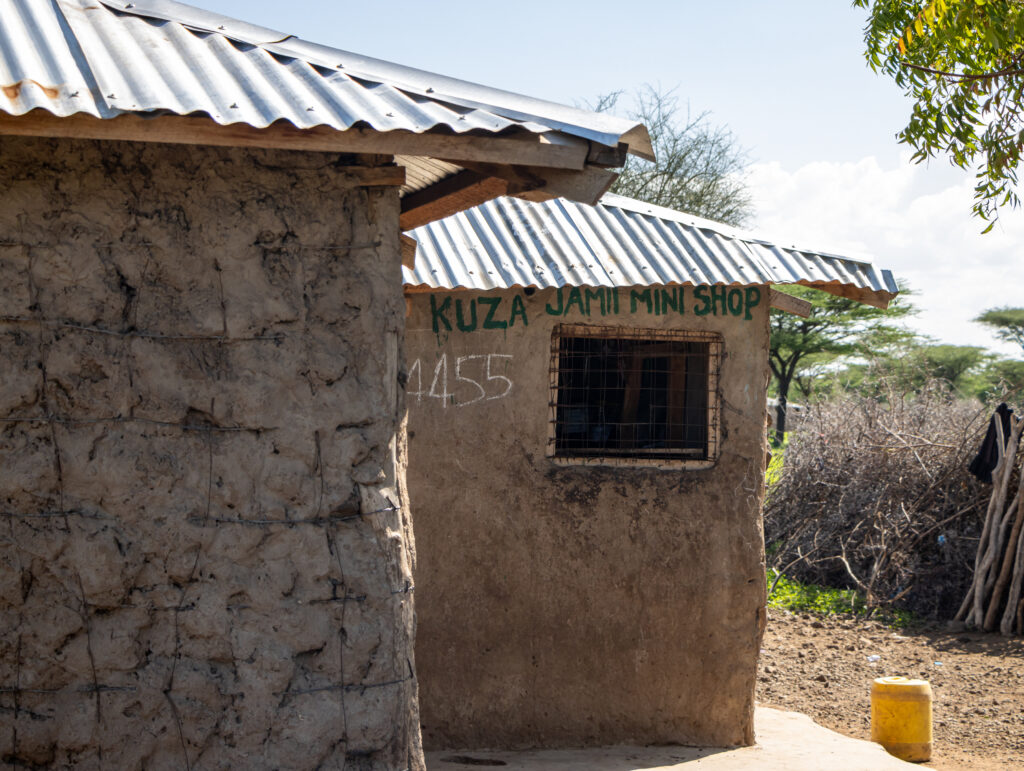
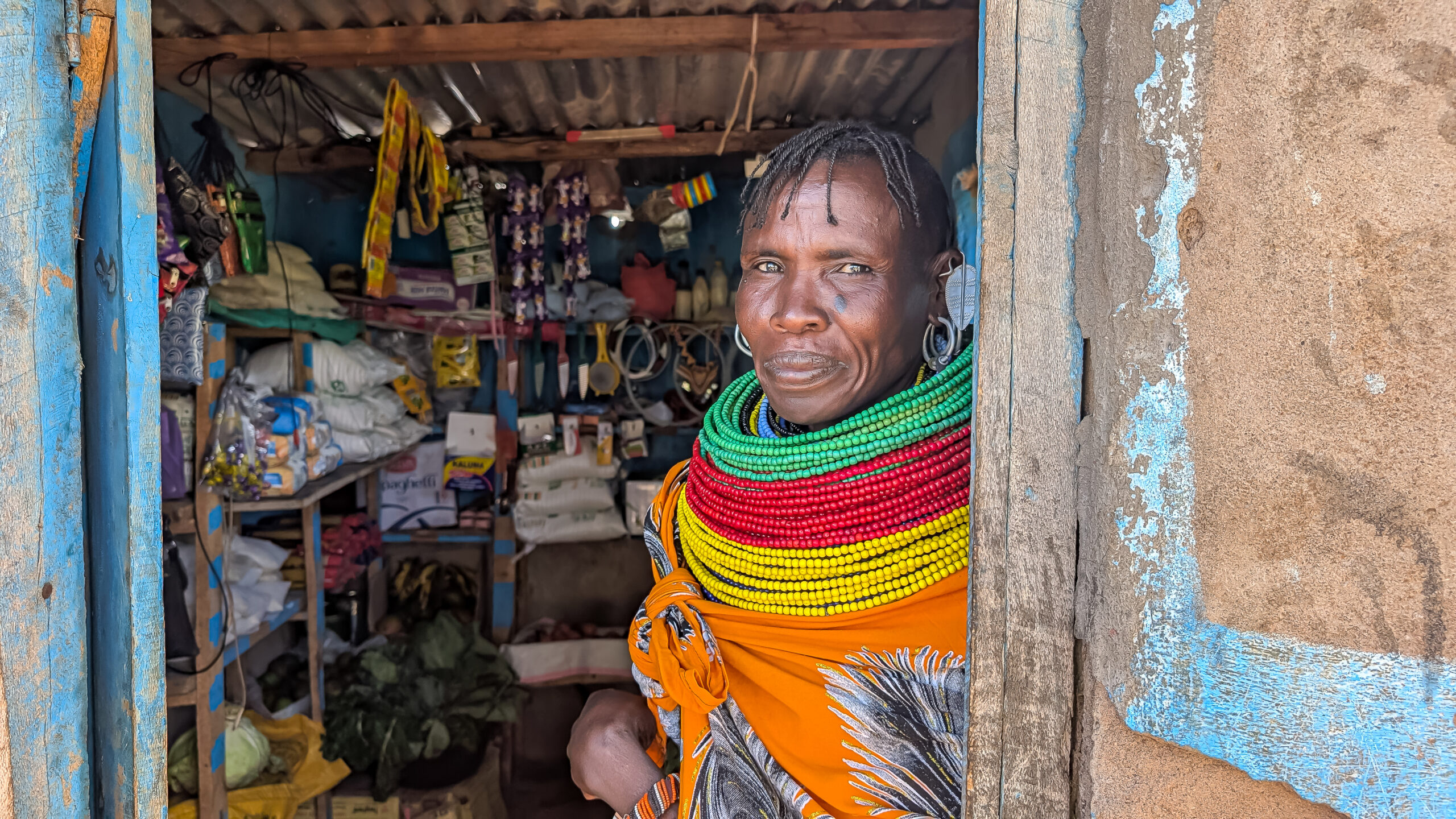
“If the tea was pouring over or the baby was crying, a man in our community would never have stepped in if the woman was not there. Today, that has changed. I can stay at my shop until late because I know my home is taken care of by my husband and my children. We are finally united as a family. My husband broke long standing cultural norms to build my shop as an extension of our home so I can work safely. Even my children and their spouses have learned to share the household chores, ensuring that our progress is something the whole family owns together.”


Veronica’s journey with the Echami Business Group highlights how Echo Network Africa Foundation (ENAF) creates intergenerational resilience through its GESI centred approach within the Kuza Jamii project. By applying the Happy Family Tree framework, ENAF helps families identify household governance as the key to ensuring that domestic resources reach their intended goals. Working in partnership with Village Enterprise, GENCAD International, Smart Regional Consultants (SRC), and CHASP Advisory, this approach proves that when the burden of care is shared, entrepreneurs can thrive regardless of physical challenges.


Across the Kuza Jamii initiative, ENAF has reached a total of 31,985 participants with GESI messaging. This partnership, supported by UK International Development and the Government of Kenya, ensures that the next generation values inclusion as a cornerstone of community strength.

Kuza Jamii

From Domestic Isolation to Entrepreneurial Success: Loljuk’s Journey

From Domestic Isolation to Entrepreneurial Success: Loljuk’s Journey

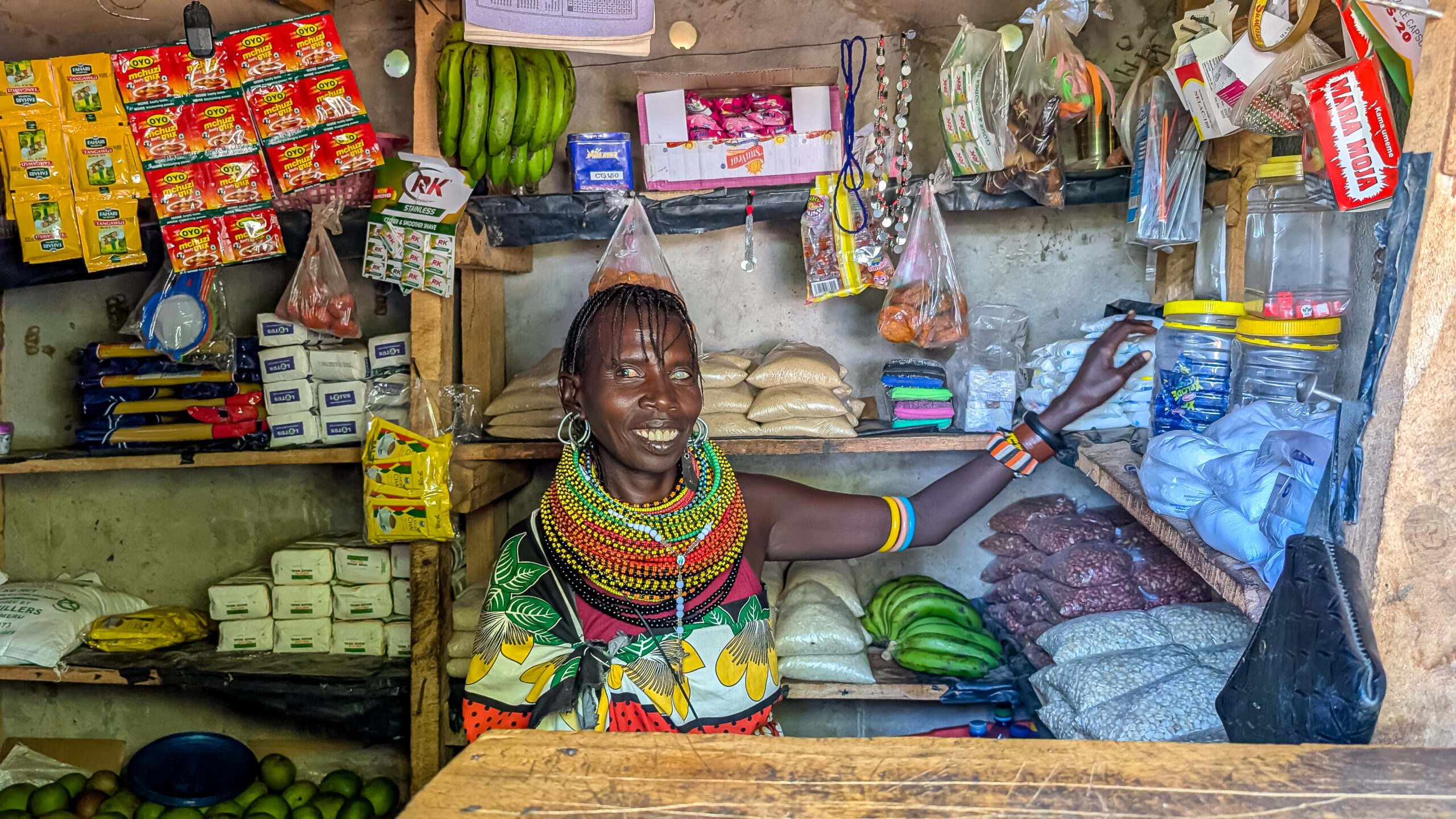
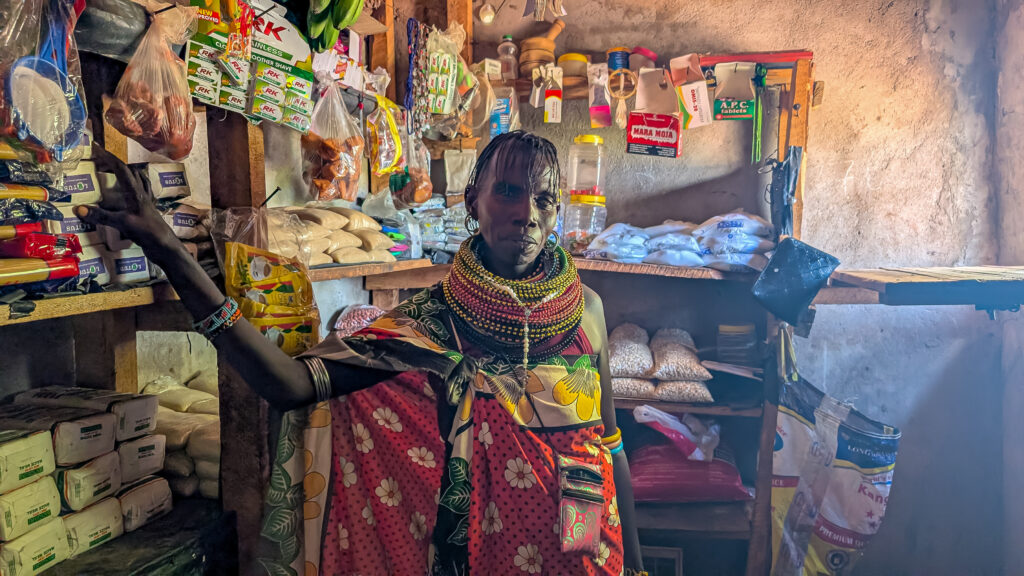
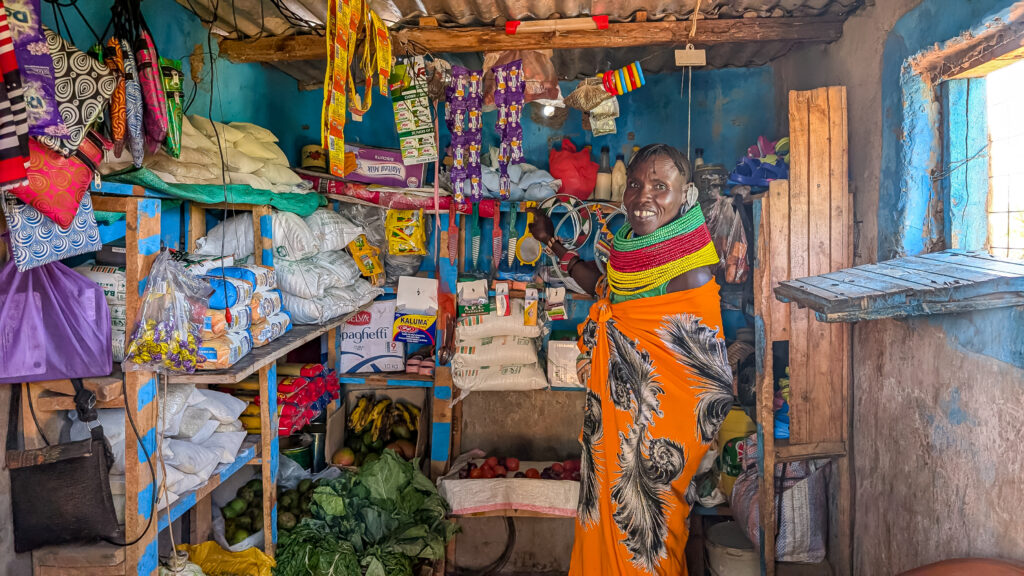
“There was a time when my culture drew a line I could not cross; my duties were confined to the house, and the idea of running a shop was a world away. Today, that line has faded. My husband now shares the weight of our home, feeding our child so that I can lead our business. This is the Happy Family we were taught to build. Before we started these lessons, I felt I was working in isolation, carrying the entire weight of our survival on my back. Now, I stand with the Atalakaros Business Group knowing that my success at the shop is supported by a partner at home. We no longer see the shop as just my work, but as our family’s future, and that unity has given us a stability we never thought possible.”


Loljuk’s success is a profound indicator of how GESI is being integrated into the fabric of daily life through the leadership of Echo Network Africa Foundation (ENAF) within the Kuza Jamii project. By moving beyond traditional economic aid, ENAF addresses the core of household decision-making to dismantle cultural barriers that often limit women’s economic empowerment. In collaboration with Village Enterprise, GENCAD International, Smart Regional Consultants (SRC), and CHASP Advisory, ENAF uses participatory learning to ensure that men and women work as equal partners in their enterprises. This collective approach allows families to build resilient livelihoods that move beyond a total reliance on unpredictable factors like livestock trades.

Kuza Jamii

How Collaborative Planning is Securing the Future for Akuwam’s Family

How Collaborative Planning is Securing the Future for Akuwam’s Family

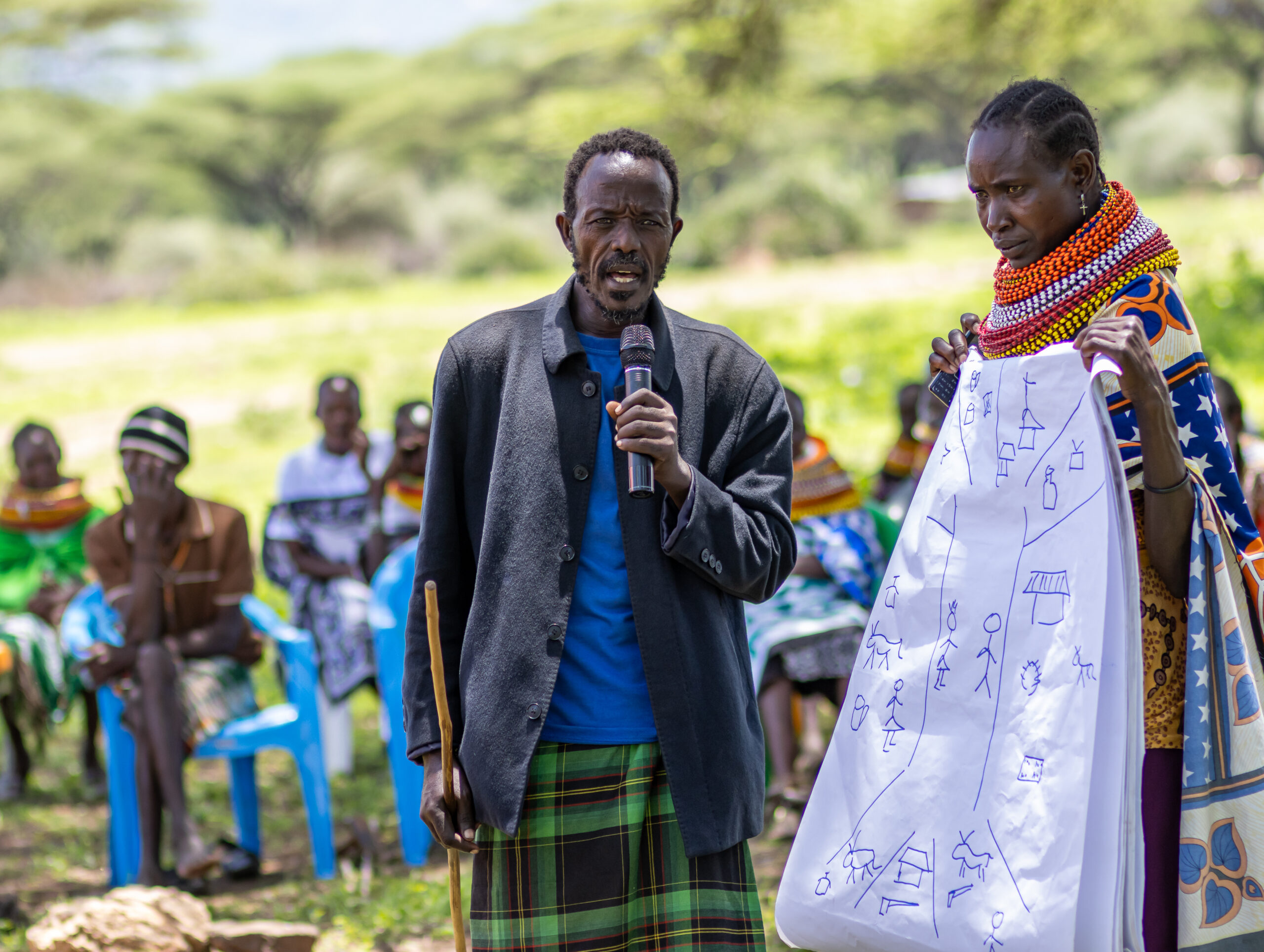
“Together, as a family, we sit down with my wife and our children to discuss everything that happens in our home. I used to manage our affairs alone, but I have learned that a home without a woman’s voice is like a tree without roots. Now, we plan our finances and our children’s education together. In my family, we have seen the fruit of unity. Our home is more stable, our children are staying in school, and we are no longer at the mercy of the weather alone. We have found a new way to live that values every member of our household.”

​Akuwam’s experience with the Ngamanat VSLA in Isiolo captures the essence of the community forums held throughout the Kuza Jamii ASAL counties.

Echo Network Africa (ENAF) leads the Gender Equality and Social Inclusion (GESI) agenda within the Kuza Jamii project by deploying the Happy Family Tree as a diagnostic tool to help participants reflect on and address deep seated gender biases. Working in partnership with Village Enterprise, GENCAD International, Smart Regional Consultants (SRC), and CHASP Advisory, ENAF ensures that men like Akuwam gain the practical skills needed to transform household governance into a collaborative partnership. This joint effort empowers every family member to contribute to a shared vision, moving the entire community toward a more equitable and sustainable future.

Organizational News

Dr Jennifer Riria Joins Global Champions to Advocate for Zero Tolerance to FGM

Dr Jennifer Riria Joins Global Champions to Advocate for Zero Tolerance to FGM

On 13th March 2026, the President and CEO of Echo Network Africa Foundation (ENAF), Dr Jennifer Riria, was privileged to join anti-FGM champions from across the globe under the UNFPA-UNICEF initiative that advocates for zero tolerance to FGM and promotes the protection of FGM survivors. Among the keynote speakers were H.E. Giorgio Marrapodi, Permanent Representative of Italy to the United Nations, and Kenyan-born FGM champion and survivor Ms Fozzia Aden, who is currently based in New York, among others.

The meeting agreed that, challenging as it is, the eradication of FGM is both possible and urgent. ENAF committed to continue playing its role to promote community-based approaches aimed at ending all forms of GBV, including FGM, period poverty, early marriages, and teenage pregnancies, and promoting the uptake of STEM. On its part, ENAF is convinced that approaches to ending FGM should be both multi-pronged and survivor-centred.

Dr Riria is accompanied to the CSW ‘70 by Mrs Sarah Muhoya, ENAF’s Chief of Party. Besides participating in the deliberations, the two will meet various partners to discuss matters of mutual interest and advance the foundation’s mission on the global stage.

Organizational News

Dr Jennifer Riria Champions Peace and Dialogue at #CSW70 Parallel Event

Dr Jennifer Riria Champions Peace and Dialogue at #CSW70 Parallel Event

On 12th March 2026, the President and CEO of Echo Network Africa Foundation (ENAF), Dr Jennifer Riria, joined a range of global stakeholders working on gender equality, peace-building, legal aid, and fiscal policy to discuss the challenge of the cost of militarisation and the social consequences of the same. The conclusion was one: re-balance military spending and emphasise conflict resolution, not war. Her position was clear: ‘Dialogue is not just a way. It is the only way!’

The blended meeting, which was held on the sidelines of the CSW ‘70 in New York City, was hosted by the Baha’i International Community, Transparency, Accountability, and Participation Network (TAP Network), and Women’s International League for Peace & Freedom (WILPF).

Dr Riria is accompanied to the CSW ‘70 by Mrs Sarah Muhoya, ENAF’s Chief of Party. Besides participating in the deliberations, the two will meet various partners to discuss matters of mutual interest and advance the foundation’s mission on the global stage.

Mothers & Babies Behind Bars

Mothers & Babies Behind Bars: Safeguarding the Rights of Children in the Justice System

Mothers & Babies Behind Bars: Safeguarding the Rights of Children in the Justice System

Echo Network Africa Foundation (ENAF) has launched a strategic intervention to address the developmental crisis facing children who, due to their mothers’ legal status, are growing up within Kenya’s correctional facilities. In alignment with global human rights standards, the initiative ensures that infants under the age of four do not serve an unearned sentence alongside their parents.

While Kenyan law allows infants to remain with their incarcerated mothers, prison environments were built for punishment rather than development. These children often live in concrete cells with limited access to sunlight and specialised nutrition. ENAF’s programme bridges this gap through a “Triple-Impact” model targeting the child, the mother, and the prison staff.

A Catalyst for Systemic Change

Dr Jennifer Riria, President and CEO of ENAF, emphasised the organisation’s role as a catalyst for development. She noted that approximately 300 to 400 children are currently living in prisons across the country. Many spend their most formative years without basic childhood experiences, such as tasting fresh fruit. “A child should not serve their mother’s sentence,” she stated, urging stakeholders to provide these families with a second chance.

Dr Margaret Mutuma, Director at State Department for Correctional Services at the Mothers & Babies Behind Bars Programme Launch

The technical complexity of this mission is underscored by a strategic partnership with the State Department for Correctional Services (SDCS). Dr Margaret Mutuma, Director at SDCS, reported that while 12 “model” daycares have been established, 32 of Kenya’s 44 women’s prisons still lack even basic makeshift facilities for children. The initiative prioritises regions with high incarceration rates for survival-related offences, such as petty theft or illegal brewing, where young mothers and their children are most isolated from support.

ENAF’s Strategic Interventions

The ENAF programme moves beyond general support to provide targeted, resource-backed interventions designed to restore dignity and foster development:

  • Dignity: Providing “Dignity Packs” containing essential hygiene items such as soap, sanitary towels, and innerwear to restore a mother’s self-worth and health.
  • Development: Creating “Children’s Packs” with nutrient-dense weaning foods, diapers, and warm clothing to protect infant health.
  • The Legacy Project: Building prison creches – dedicated, safe, and colourful spaces for early childhood development that allow children to learn and play away from the main cells.
  • Sensitisation: Transforming the prison environment through gender-responsive training for staff to encourage empathy and child-friendly practices.

The Power of Shared Responsibility

This mission requires a unified response from the state, civil society, and the private sector. By working together, stakeholders can ensure that the “unseen sentences” of these children are lifted, providing them with the sunlight and safety they deserve. The goal is to reach “forgotten” prisons like Wundanyi and Siaya, ensuring no child is left behind due to geographical isolation.

Call to Action: Support the Journey

We invite you to be part of this transformative movement. Your support, whether through financial contributions, corporate partnerships, or in-kind donations of outgrown children’s clothes and toys, is a direct investment in a child’s health and a mother’s dignity.

  • Fund a Dignity Pack (KES 1,000): Provide essential hygiene and health items for one mother.
  • Sponsor a Children’s Pack (KES 50,000 per prison): Deliver nutrient-dense food, diapers, and warm clothing to infants.
  • Corporate Partnerships: We are seeking CSR partners to fund the construction and equipping of the Legacy Project creches.

Contact Us to Support:

For more information on how you can contribute or partner with us, please reach out to the Echo Network Africa Foundation team at info@enafrica.org or visit our offices at Muchai Drive, off Ngong Road.

Donations can be made via:

Lipa na Mpesa Paybill: 972800 Account Name: Mother & Baby

Let us walk these children out of the shadows, together.

Girls Excel

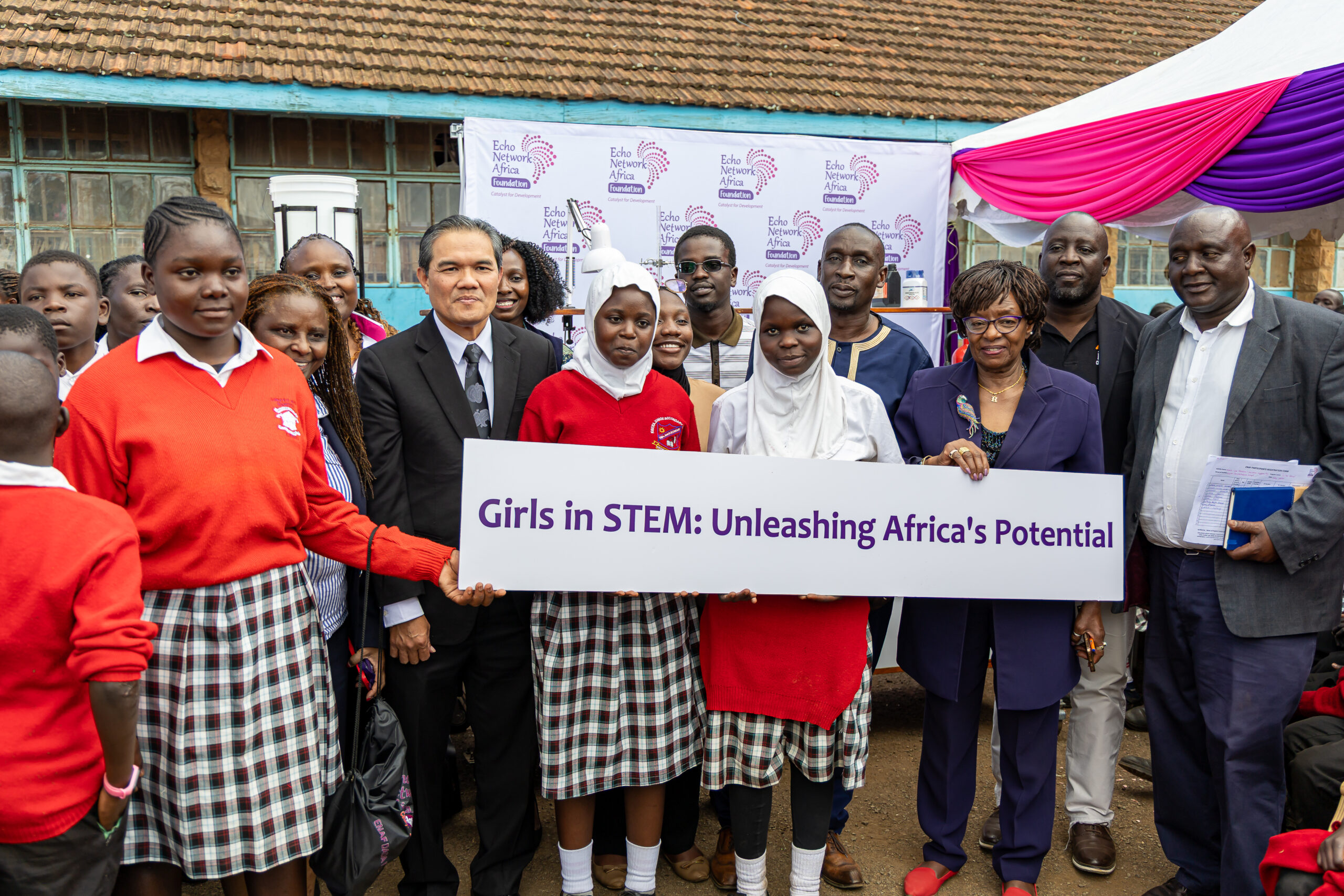
Beyond the Textbook: How Mobile Labs are Igniting STEM Aspirations

Beyond the Textbook: How Mobile Labs are Igniting STEM Aspirations

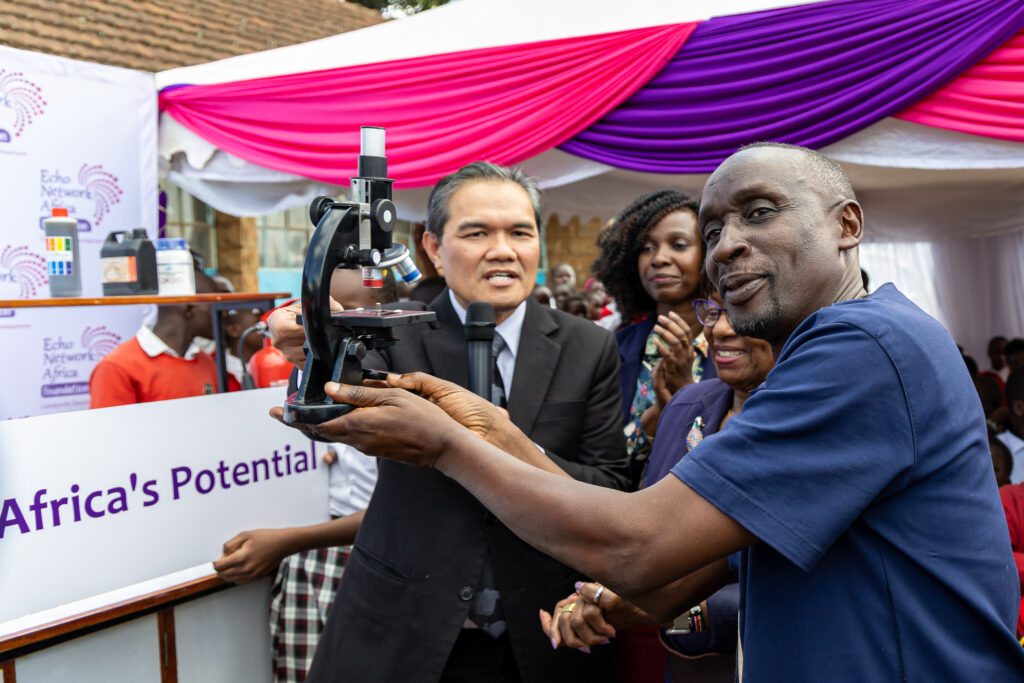
At Echo Network Africa Foundation (ENAF), we believe that a girl’s potential should never be limited by her infrastructure. For many students in rural Kenya, Science was once a theoretical dream. It was a subject taught from textbooks without the tools to bring it to life.

In celebration of the International Day of Women and Girls in Science, we are sharing the findings from our latest impact assessment. While ENAF has already delivered mobile laboratories to 16 schools across 14 counties, our team recently conducted a field visit to beneficiary schools in Murang’a, Makueni, Kilifi, and Tana River to evaluate the transformation firsthand. The evidence is clear:

when you give a girl the tools to experiment, you give her the confidence to lead.

From Improvised Tools to Real Discovery

Before the arrival of the ENAF Mobile Science Labs, teachers often had to improvise using locally available materials. In some instances, they were forced to cut plastic water bottles to act as beakers for classroom experiments. Today, that narrative has changed.

Our latest monitoring visit confirmed that teachers have moved from “dry practicals” to consistent, weekly laboratory sessions. The impact on the learners has been immediate and profound. As one student shared:

It’s made me come to school daily. I can touch these test tubes and the tripod stand live!

Proven Results: A Data-Driven Success

Our commitment to accountability ensures that every intervention is tracked for measurable success. The Field Monitoring and Evaluation Report from our January 2026 visit revealed a significant shift in academic performance and student well-being:

  • Academic Excellence: At Mung’etheele Primary School, top scores in Integrated Science (EE1) rose from zero to four in just one term following the lab’s delivery.
  • Increased Retention: At Tunzanani Primary School, school dropouts fell from three to one in 2025. Teachers attribute this to increased student motivation and the provision of ENAF Dignity Packs, which ensure girls do not miss school during menstruation.
  • Inspiring Careers: We observed a significant shift in career aspirations. Students who previously aspired to teach English are now choosing STEM pathways with the goal of becoming doctors and integrated science teachers.
  • Inclusive Learning: The report verified that learners with disabilities (PWDs) have particularly benefited from the engaging, hands-on nature of the mobile laboratories.

A Hub for Regional Innovation

The impact of these laboratories extends beyond the individual beneficiary schools. Neighbouring institutions have begun requesting permission to use the facilities, effectively turning these schools into regional hubs for practical STEM learning. The monitoring visit verified that the laboratories remain in excellent condition and are handled with immense pride by the local communities.

Join the STEM Revolution

While we celebrate these milestones, our journey is just beginning. Success is proven and the impact is visible. However, thousands of girls across the country still lack access to the tools they need to lead the scientific revolutions of tomorrow.

Our mobile laboratories have already transformed STEM learning in 16 schools across 14 counties, but we need more support to scale this impact across the entire country. Help us ensure that every girl in Kenya has the opportunity to engage in STEM and touch her own future.

Watch the full documentary below to see the impact in action:

Organizational News Women's Leadership, Political Participation & Governance

A Safe Kenya is Good for All: Press Statement by the Women of Kenya

A Safe Kenya is Good for All: Press Statement by the Women of Kenya

Kenyan women, under the auspices of Echo Network Africa Foundation (ENAF), the African Women Leadership Network (AWLN-Kenya) Chapter, and the Democracy Trust Fund (DTF), have issued a collective call for national security, education reform, and urgent action against gender-based violence.

Defending Sacred Spaces and National Security

The women of Kenya decry the worsening state of security and condemn those perpetrating violence. A primary concern raised is the recent disregard for civility evidenced by the teargassing and firing of bullets at worshippers in a church. The statement reminds the nation that places of worship are sacred spaces where women, children, and persons with disabilities find solace. Duty bearers, including law enforcement officers, the NCIC, and the ODPP, are urged to show more vigilance and sincerity in tackling violence and prosecuting perpetrators in strict adherence to the rule of law.

Addressing the Crisis in Education

Deep concerns were raised regarding the mishandling of Competence-Based Education (CBE). Issues highlighted include low transition rates from Junior to Senior School, chaotic placement processes from Grade 9 to Grade 10, and the high cost of education.

To address these challenges, the women of Kenya propose that all bursaries be consolidated into one basket to manage the financial and infrastructural crisis. The statement also commends the resilience and kindness shown by the community, such as the women from Kiboi Market in Kisii who raised over Ksh 80,000 to take an orphan girl to school, dismantling the myth that women are their own enemies.

Declaring GBV a National Disaster

The statement welcomes the report and recommendations of the Presidential Technical Working Group on Gender-Based Violence (GBV) and Femicide led by Dr. Nancy Baraza. The women of Kenya support the recommendation that H.E. the President urgently proclaim GBV as a national disaster. They commit to supporting the full implementation of these recommendations and standing behind the President in the war against GBV and technology-facilitated violence.

Conclusion

The women of Kenya conclude by committing to create safe spaces for intergenerational conversations to enhance national cohesion and mentorship. A safe and growing Kenya is good for all.