Kuza Jamii

Thriving Beyond Physical Challenges Through Family Unity

Thriving Beyond Physical Challenges Through Family Unity

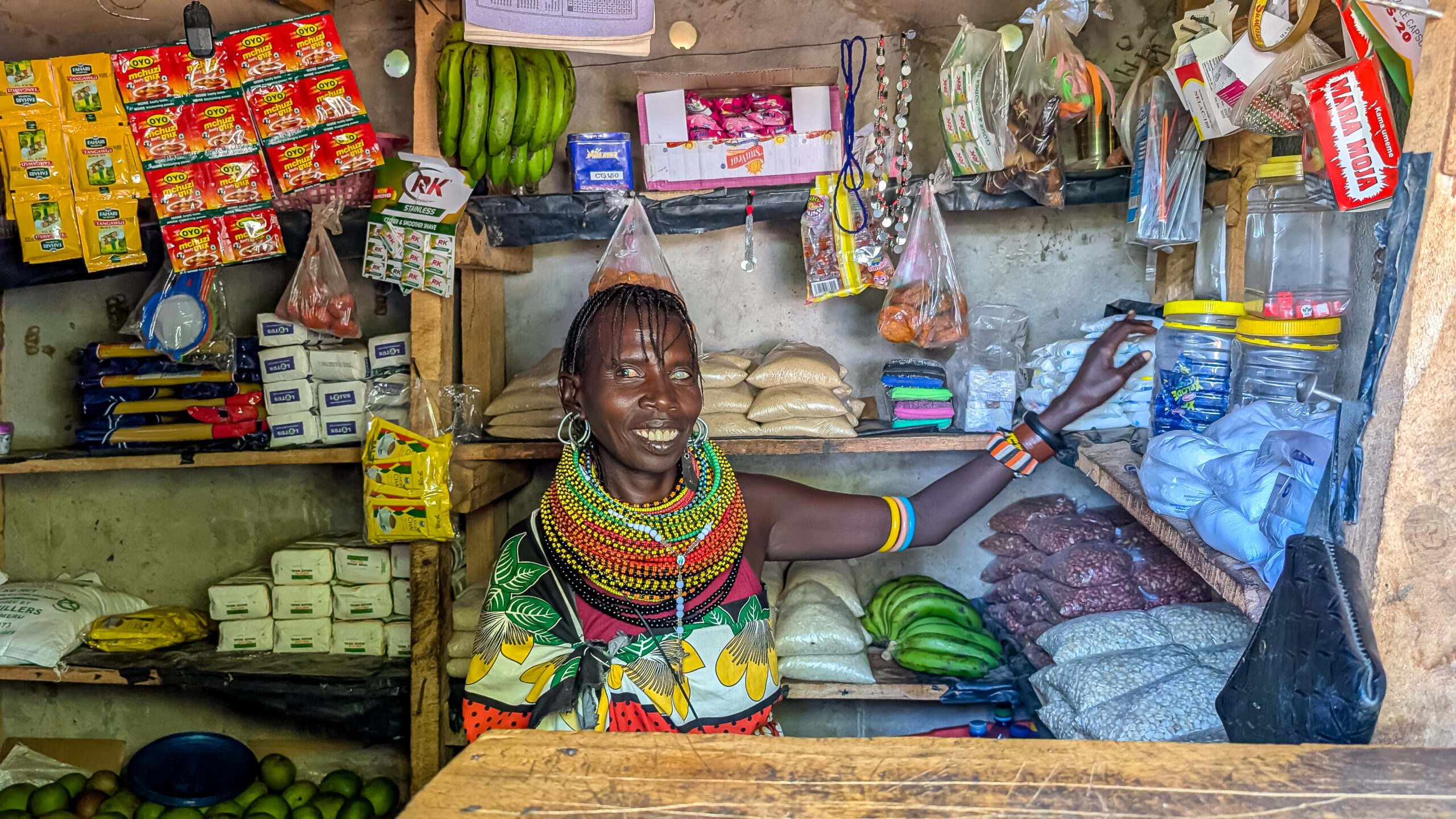
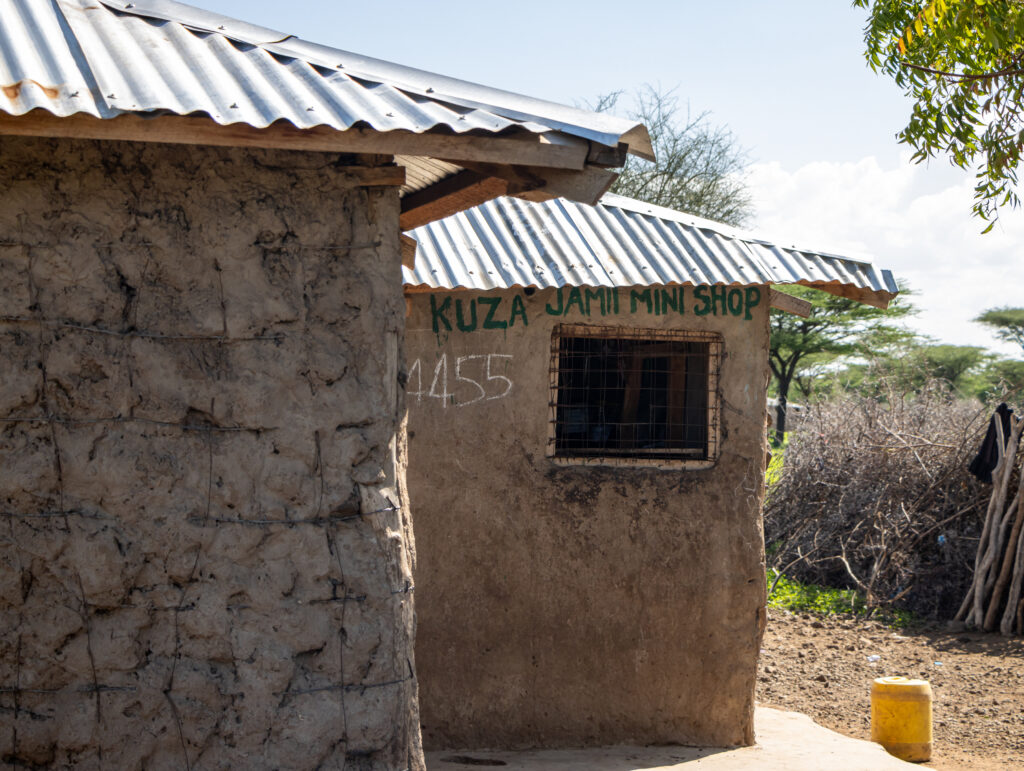
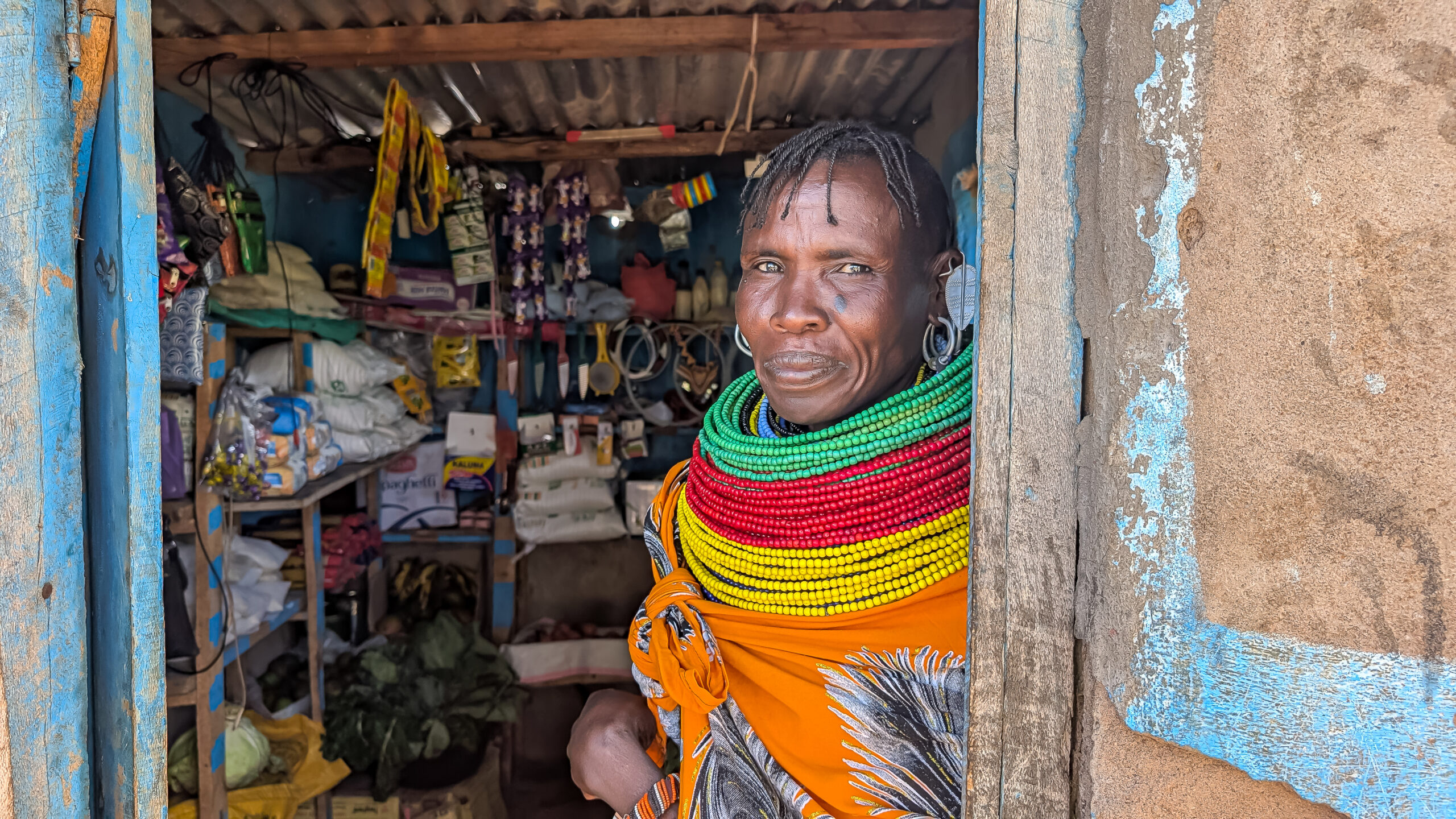
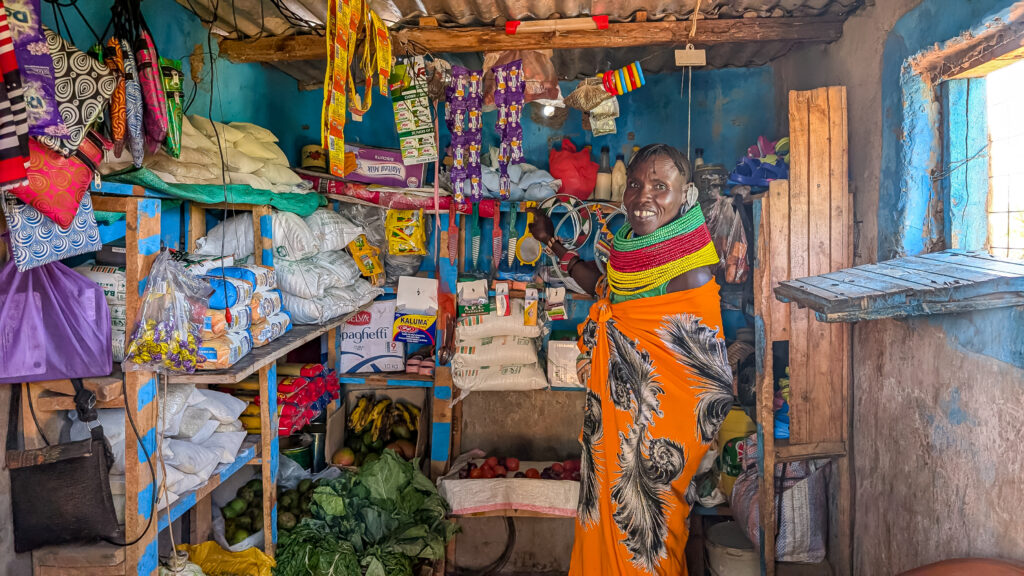
“If the tea was pouring over or the baby was crying, a man in our community would never have stepped in if the woman was not there. Today, that has changed. I can stay at my shop until late because I know my home is taken care of by my husband and my children. We are finally united as a family. My husband broke long standing cultural norms to build my shop as an extension of our home so I can work safely. Even my children and their spouses have learned to share the household chores, ensuring that our progress is something the whole family owns together.”
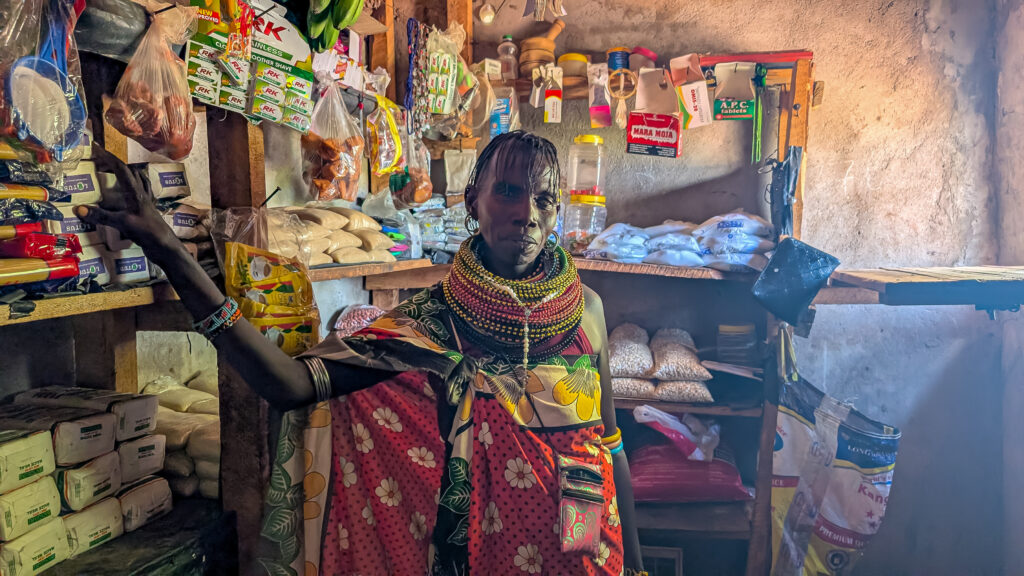

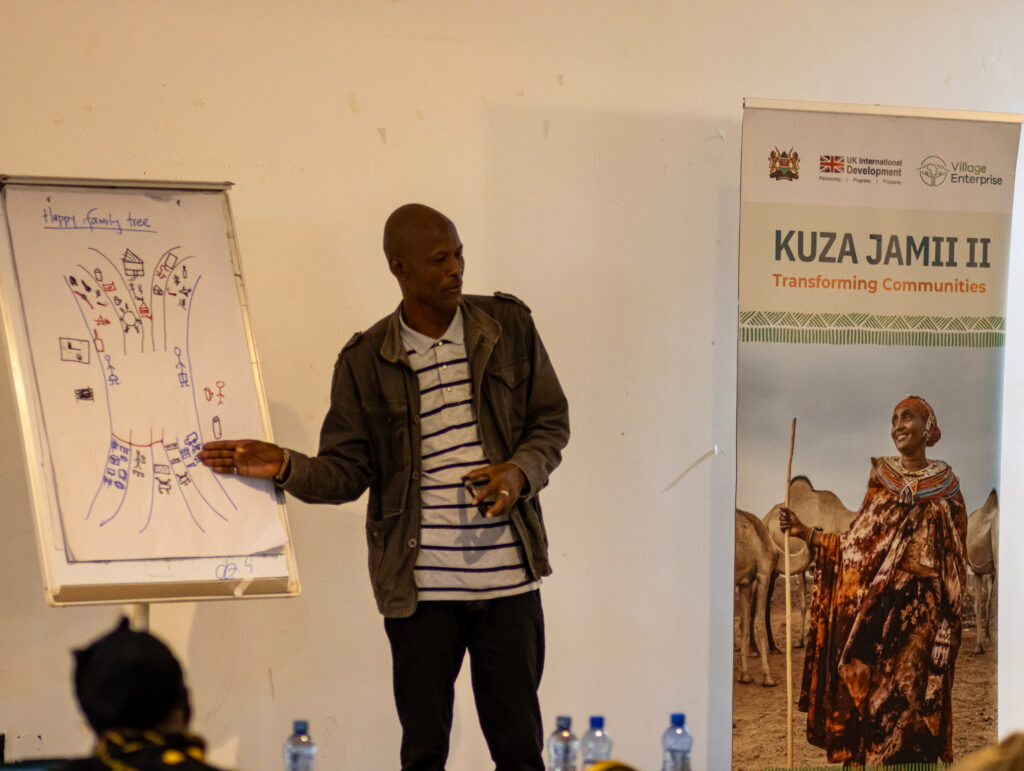
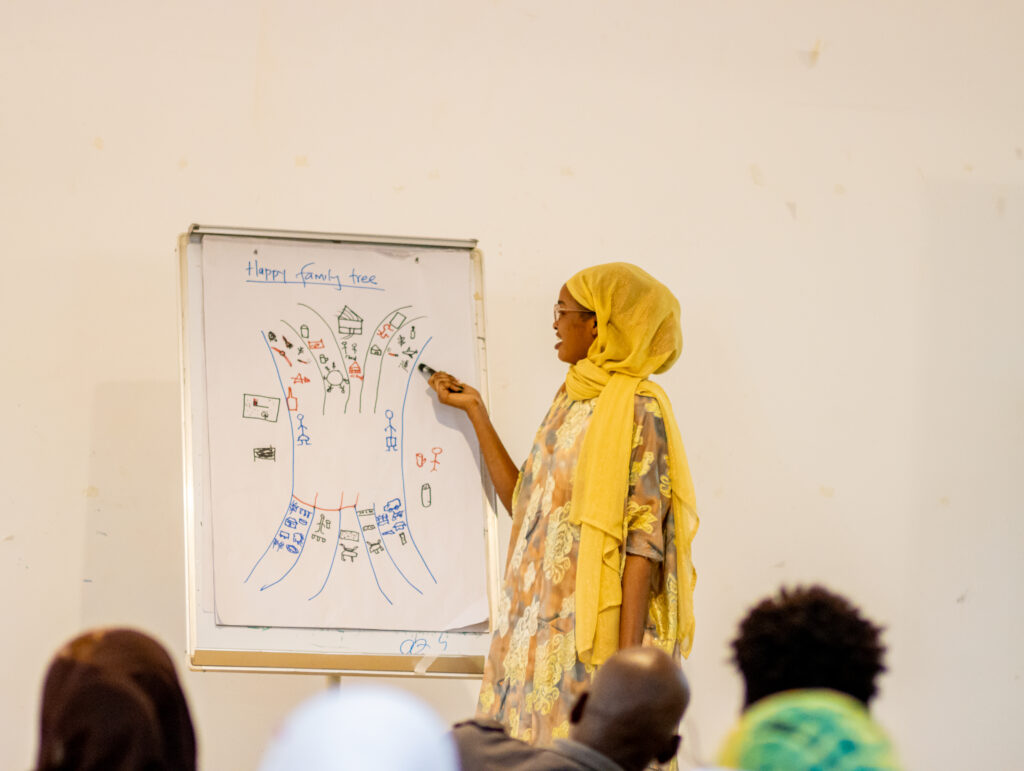
Veronica’s journey with the Echami Business Group highlights how Echo Network Africa Foundation (ENAF) creates intergenerational resilience through its GESI centred approach within the Kuza Jamii project. By applying the Happy Family Tree framework, ENAF helps families identify household governance as the key to ensuring that domestic resources reach their intended goals. Working in partnership with Village Enterprise, GENCAD International, Smart Regional Consultants (SRC), and CHASP Advisory, this approach proves that when the burden of care is shared, entrepreneurs can thrive regardless of physical challenges.

Across the Kuza Jamii initiative, ENAF has reached a total of 31,985 participants with GESI messaging. This partnership, supported by UK International Development and the Government of Kenya, ensures that the next generation values inclusion as a cornerstone of community strength.
Kuza Jamii

From Domestic Isolation to Entrepreneurial Success: Loljuk’s Journey

From Domestic Isolation to Entrepreneurial Success: Loljuk’s Journey

“There was a time when my culture drew a line I could not cross; my duties were confined to the house, and the idea of running a shop was a world away. Today, that line has faded. My husband now shares the weight of our home, feeding our child so that I can lead our business. This is the Happy Family we were taught to build. Before we started these lessons, I felt I was working in isolation, carrying the entire weight of our survival on my back. Now, I stand with the Atalakaros Business Group knowing that my success at the shop is supported by a partner at home. We no longer see the shop as just my work, but as our family’s future, and that unity has given us a stability we never thought possible.”


Loljuk’s success is a profound indicator of how GESI is being integrated into the fabric of daily life through the leadership of Echo Network Africa Foundation (ENAF) within the Kuza Jamii project. By moving beyond traditional economic aid, ENAF addresses the core of household decision-making to dismantle cultural barriers that often limit women’s economic empowerment. In collaboration with Village Enterprise, GENCAD International, Smart Regional Consultants (SRC), and CHASP Advisory, ENAF uses participatory learning to ensure that men and women work as equal partners in their enterprises. This collective approach allows families to build resilient livelihoods that move beyond a total reliance on unpredictable factors like livestock trades.

Kuza Jamii

How Collaborative Planning is Securing the Future for Akuwam’s Family

How Collaborative Planning is Securing the Future for Akuwam’s Family

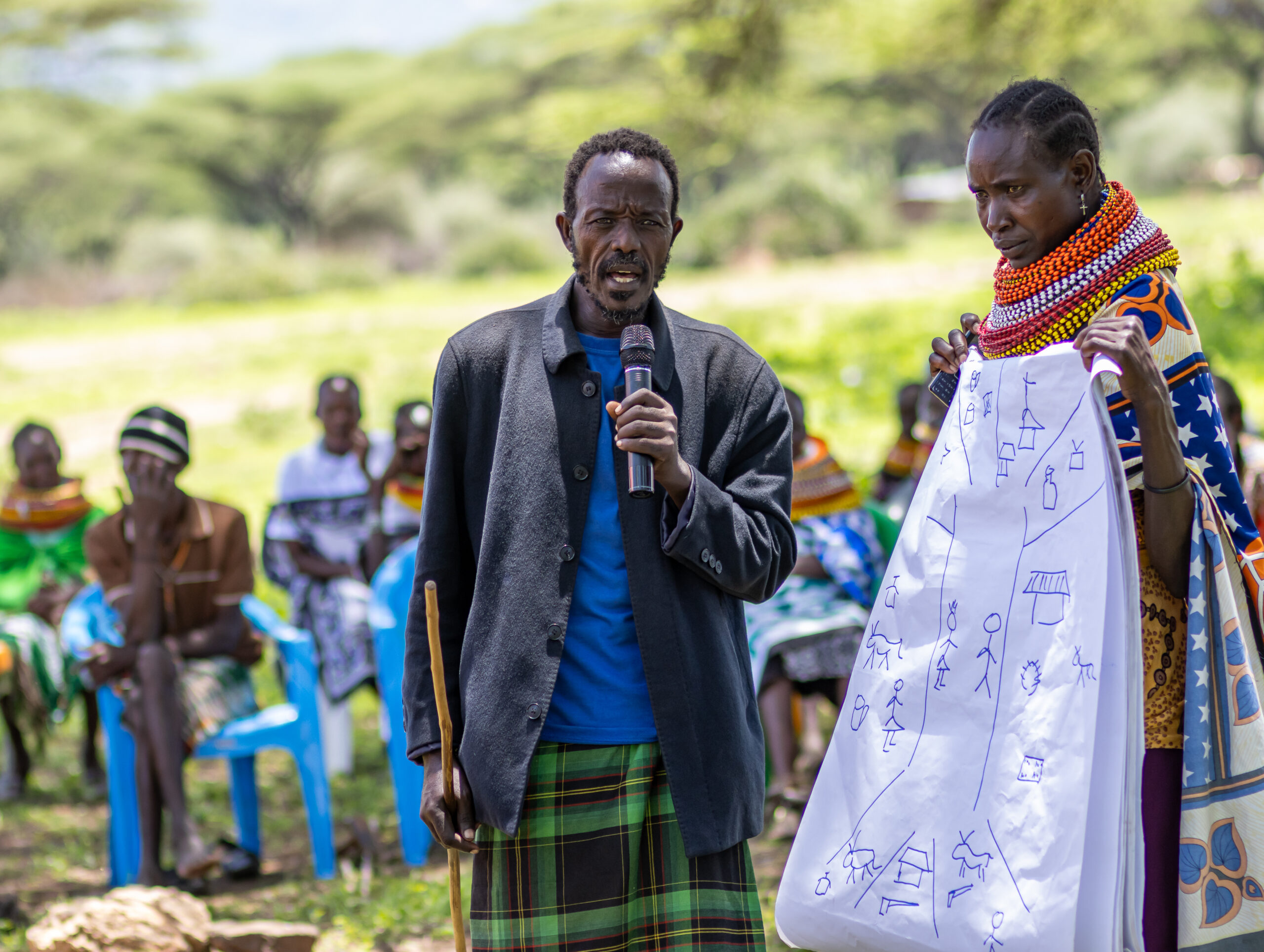
“Together, as a family, we sit down with my wife and our children to discuss everything that happens in our home. I used to manage our affairs alone, but I have learned that a home without a woman’s voice is like a tree without roots. Now, we plan our finances and our children’s education together. In my family, we have seen the fruit of unity. Our home is more stable, our children are staying in school, and we are no longer at the mercy of the weather alone. We have found a new way to live that values every member of our household.”

​Akuwam’s experience with the Ngamanat VSLA in Isiolo captures the essence of the community forums held throughout the Kuza Jamii ASAL counties.

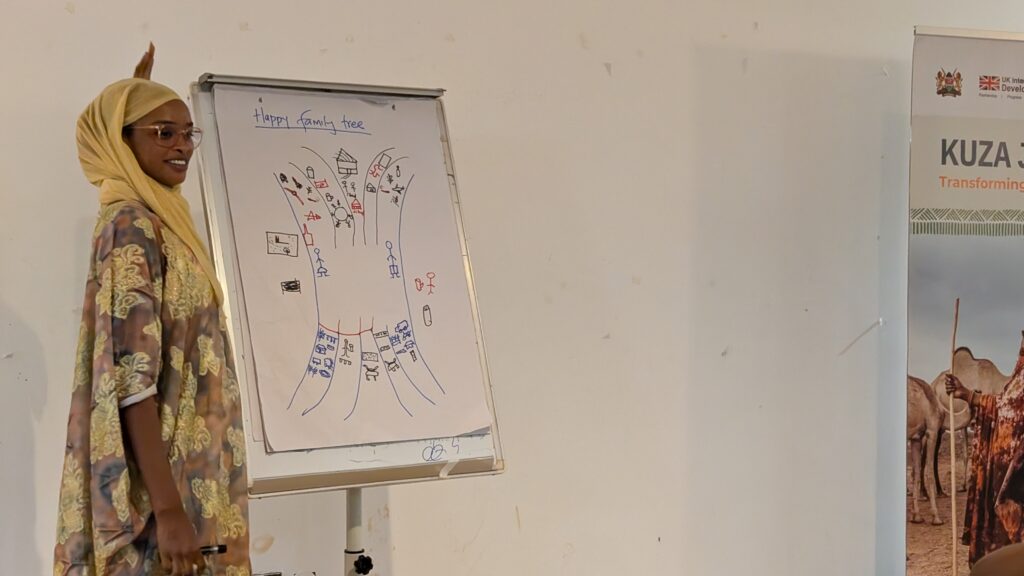
Echo Network Africa (ENAF) leads the Gender Equality and Social Inclusion (GESI) agenda within the Kuza Jamii project by deploying the Happy Family Tree as a diagnostic tool to help participants reflect on and address deep seated gender biases. Working in partnership with Village Enterprise, GENCAD International, Smart Regional Consultants (SRC), and CHASP Advisory, ENAF ensures that men like Akuwam gain the practical skills needed to transform household governance into a collaborative partnership. This joint effort empowers every family member to contribute to a shared vision, moving the entire community toward a more equitable and sustainable future.

Kuza Jamii

When the Tree Bends: How ‘El Wak Got Talent’ Used Art to Heal Households

When the Tree Bends: How ‘El Wak Got Talent’ Used Art to Heal Households

Wargadud, Mandera County

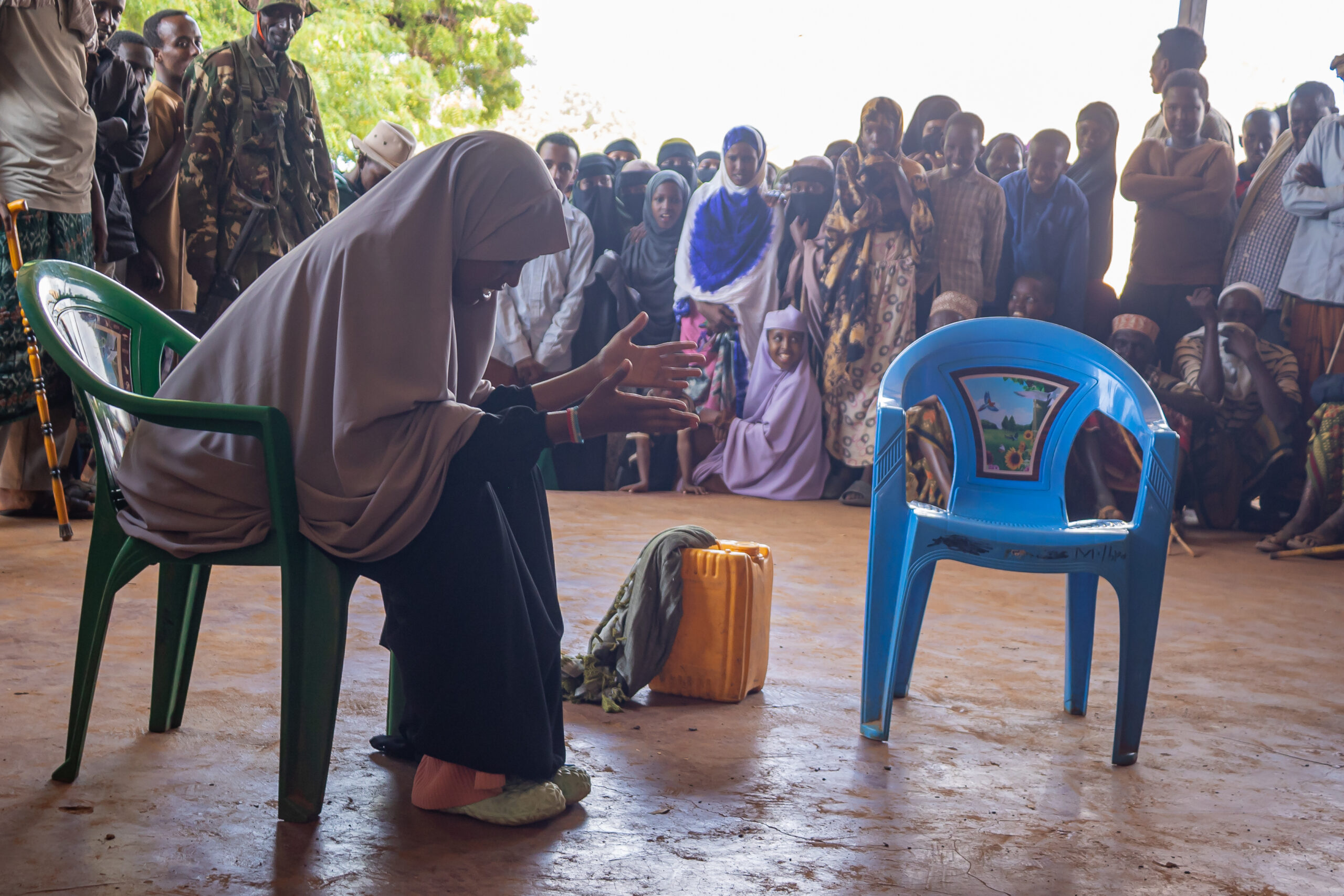
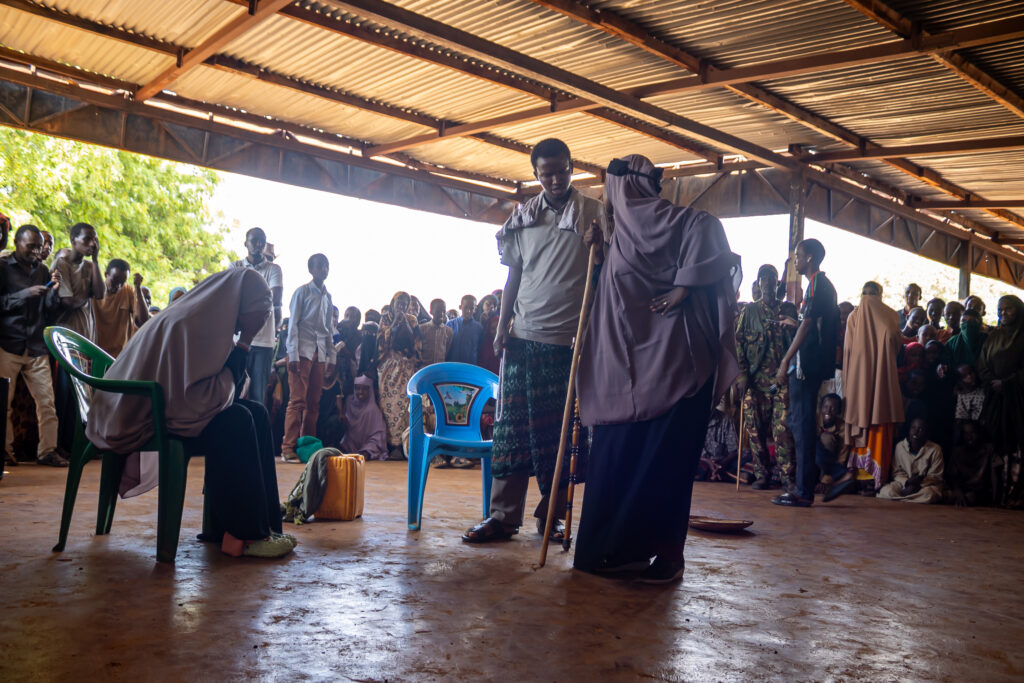
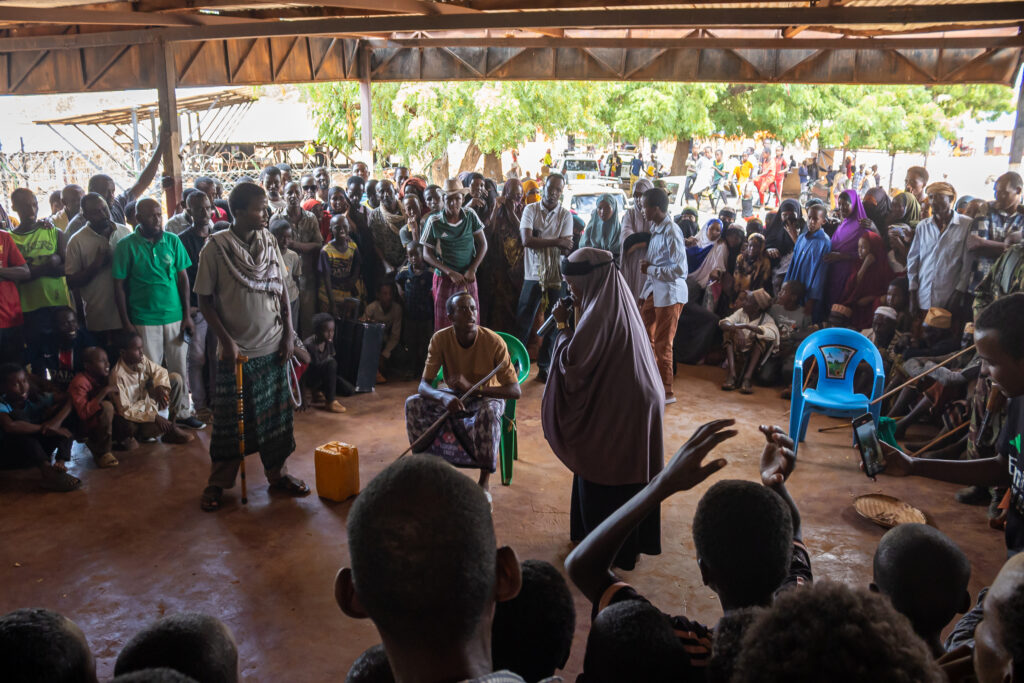
Hassan wanted a new radio to impress his friends. Aisha needed a donkey cart to save her breaking back. In many homes, this argument happens in silence. But today, it happened on a public stage.

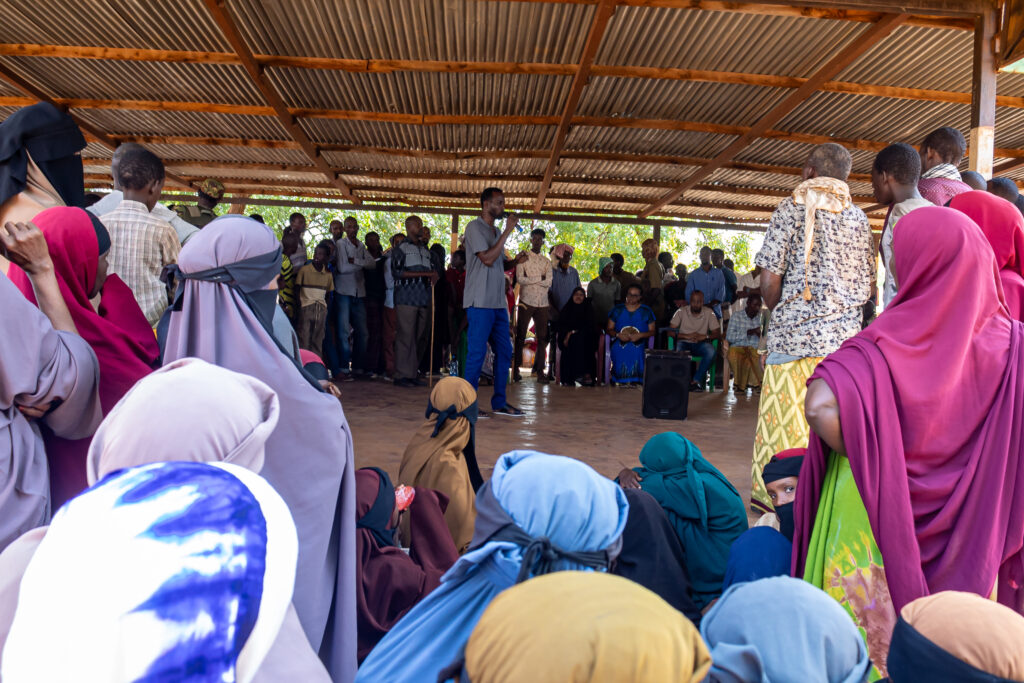
The laughter in Wargadud was loud, but the silence that followed was even louder.

This scene is not unique to Wargadud. From the riverbanks of Tana River to the arid plains of Marsabit, Echo Network Africa Foundation (ENAF) is turning village squares into theaters of change.

A Regional Movement

As the technical lead for Gender Equality and Social Inclusion (GESI) in the Kuza Jamii II consortium, ENAF has launched a massive capacity-building initiative across Isiolo, Garissa, Tana River, Marsabit, and Mandera counties.

ENAF has identified and trained numerous local youth groups in these five counties, equipping them with the “Happy Family Tree” methodology. These groups are now deploying across the region, using their talent to bypass traditional resistance and spark critical conversations about household power dynamics.

In Wargadud, it was the “El Wak Got Talent” group that took the stage. But they are part of a larger army of youth champions trained by ENAF to deliver one unified message: A household divided cannot prosper.

Making the Invisible, Visible

The drama performed in Wargadud visualized a complex reality recognized across all five counties.

  • The Conflict: The audience watched “Aisha” begging for a donkey cart for water, while “Hassan” insisted on buying a kanzu and a radio.
  • The Metaphor: The skit visualized the family as a tree. Aisha carried the heavy “roots” (labor), while Hassan held all the “leaves” (decisions).
  • The Lesson: A tree with heavy roots on one side and leaves on the other cannot stand. It bends. It breaks.

The Community Responds

The impact of this region-wide strategy was evident in the reaction of local leadership in Wargadud. Siad Adan Ibrahim, a community leader, watched the performance and saw a direct link between the drama and his community’s future.

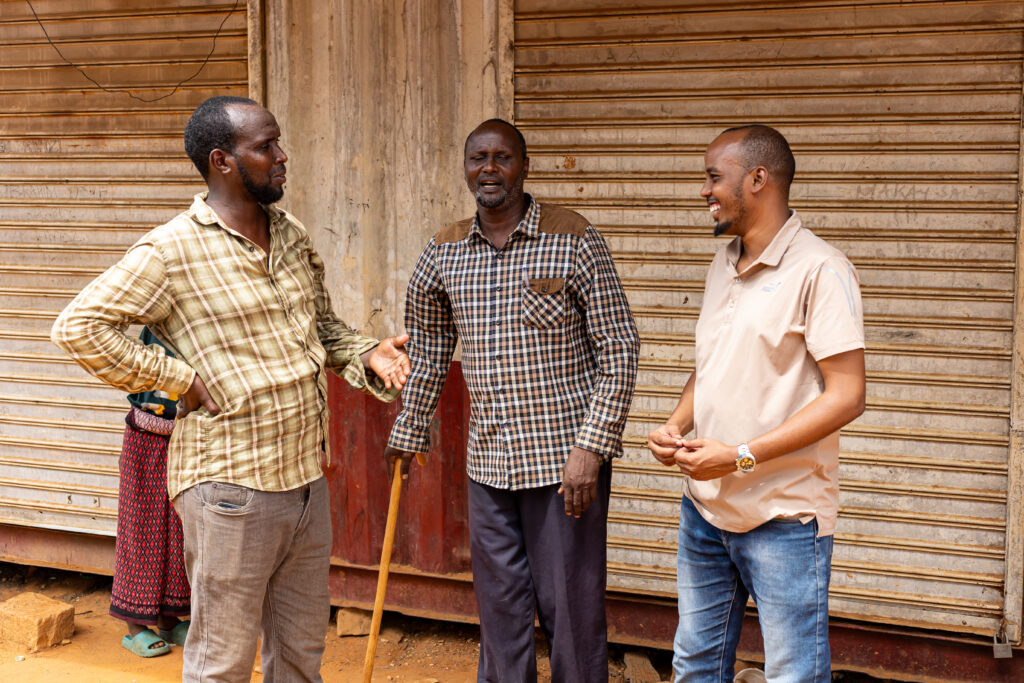
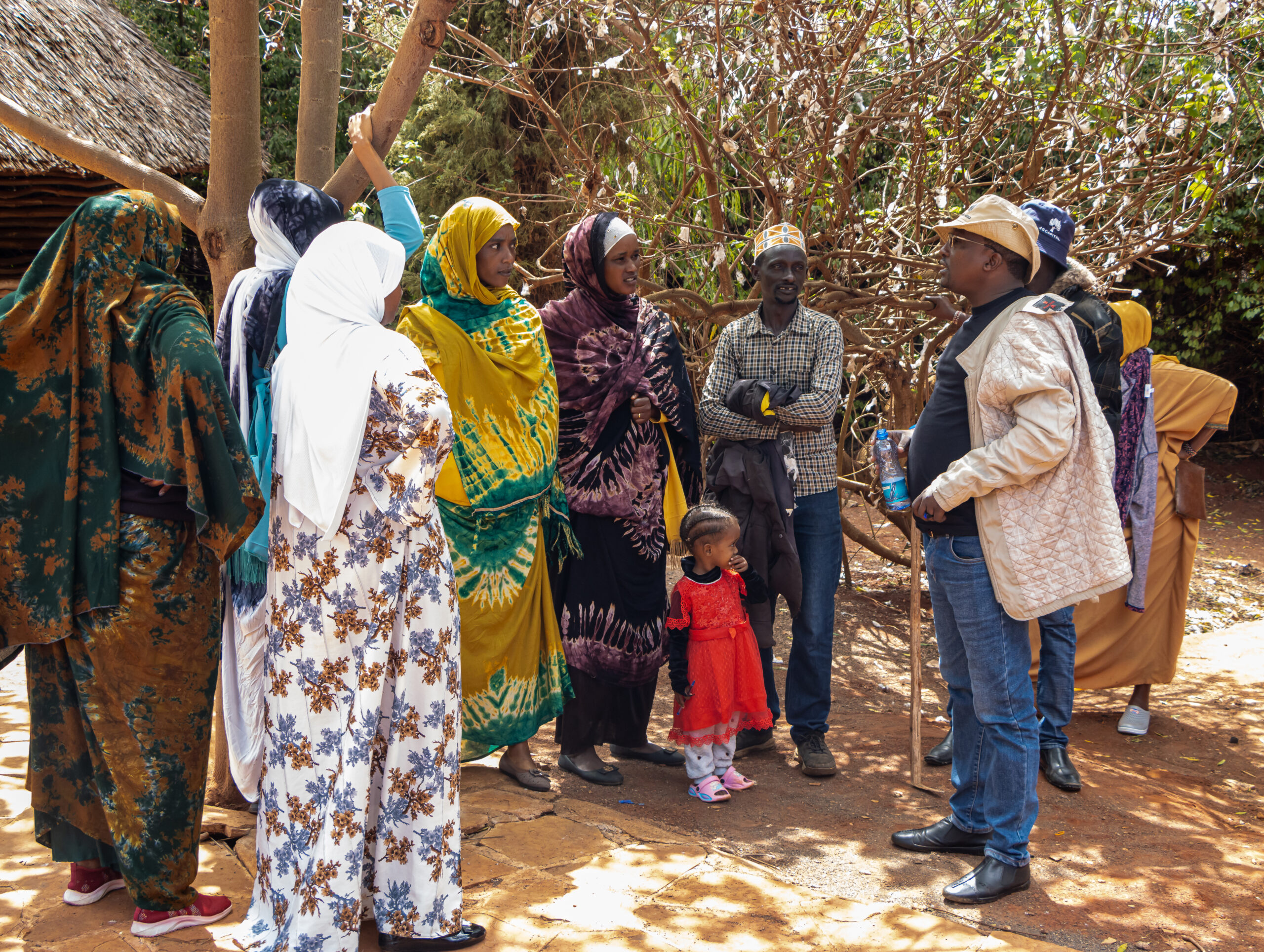
Siad (center) chats with ENAF Mandera County Project Assistant, Abdihakim Golo (right), during the Community Forum.

“We have been educated today,” Siad Adan remarked. “We have understood that how we live with our wives and children matters. If parents are constantly quarreling in the boma (homestead), the children get spoiled and develop bad behaviors.”

He noted that the youth’s performance clarified a critical truth.

“When we cooperate in the boma, we progress,” he added. “The children learn from us. We will change our bad habits and move forward.”

Why This Matters

Economic inclusion programs often stumble when household dynamics remain rigid. If a woman receives a grant but has no say in how to spend it, the investment fails.

By training youth groups to cascade these messages across all five counties, ENAF is inoculating the ASAL region against gender-based barriers. This creates a fertile environment where future economic investments can thrive.

ENAF is proud to drive this innovation within the Kuza Jamii II program, supporting the Government of Kenya’s poverty graduation agenda.

Kuza Jamii

Leading the Change: How Adey and the Women of Slaughter VSLA are Transforming Mandera’s Economy

Leading the Change: How Adey and the Women of Slaughter VSLA are Transforming Mandera’s Economy

In the arid expanse of Mandera County, development is driven by the resilience of its women. As a key implementing partner in the Kuza Jamii II consortium, Echo Network Africa Foundation (ENAF) is working with groups like the Slaughter VSLA in El Wak to turn that resilience into sustainable livelihoods.

A Women-Led Movement for Shared Roles

The Slaughter VSLA is a powerful example of community transformation. Comprising 30 members (26 women and 4 men), the group represents a shift toward women taking active roles in shaping the economic future of their families.

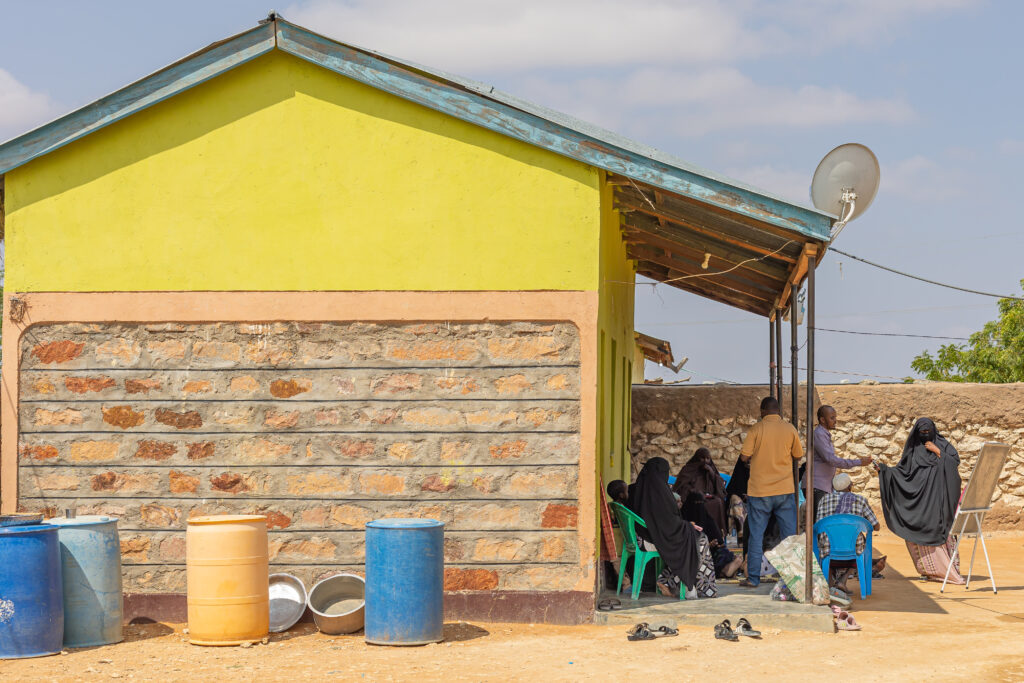
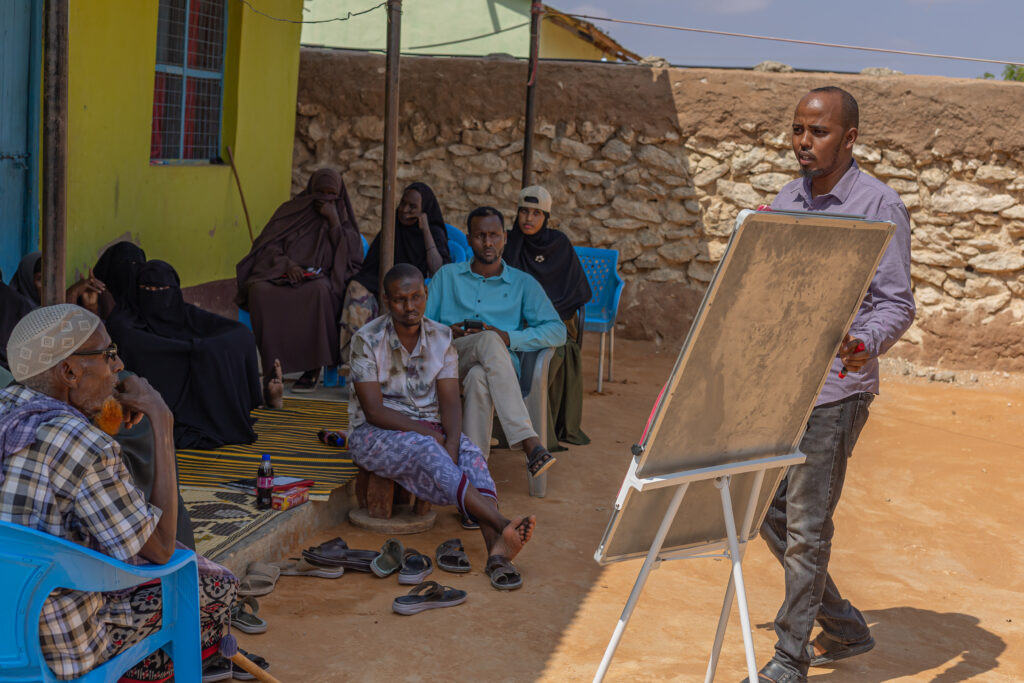
The Slaughter VSLA gathered at a member’s home, where ENAF delivered the training right to their location.

However, economic participation requires support at home. This is where ENAF’s role is critical. Today, ENAF Mandera County Project Assistant Abdihakim Golo guided the group through the “Happy Family Tree” training.

This tool is a core part of the GALS (Gender Action Learning System) methodology. ENAF uses GALS to socially uplift women, recognizing a vital community reality: women are often the primary caregivers for children, even if they historically haven’t been the main breadwinners. By validating their roles and encouraging shared decision-making, this training ensures that as women like those in the Slaughter VSLA start businesses, their standing in the household rises to match their economic contribution.

From Funding to Flourishing

The impact of this approach is already visible. On December 8th, the group received their first Business Savings Group (BSG) grant.

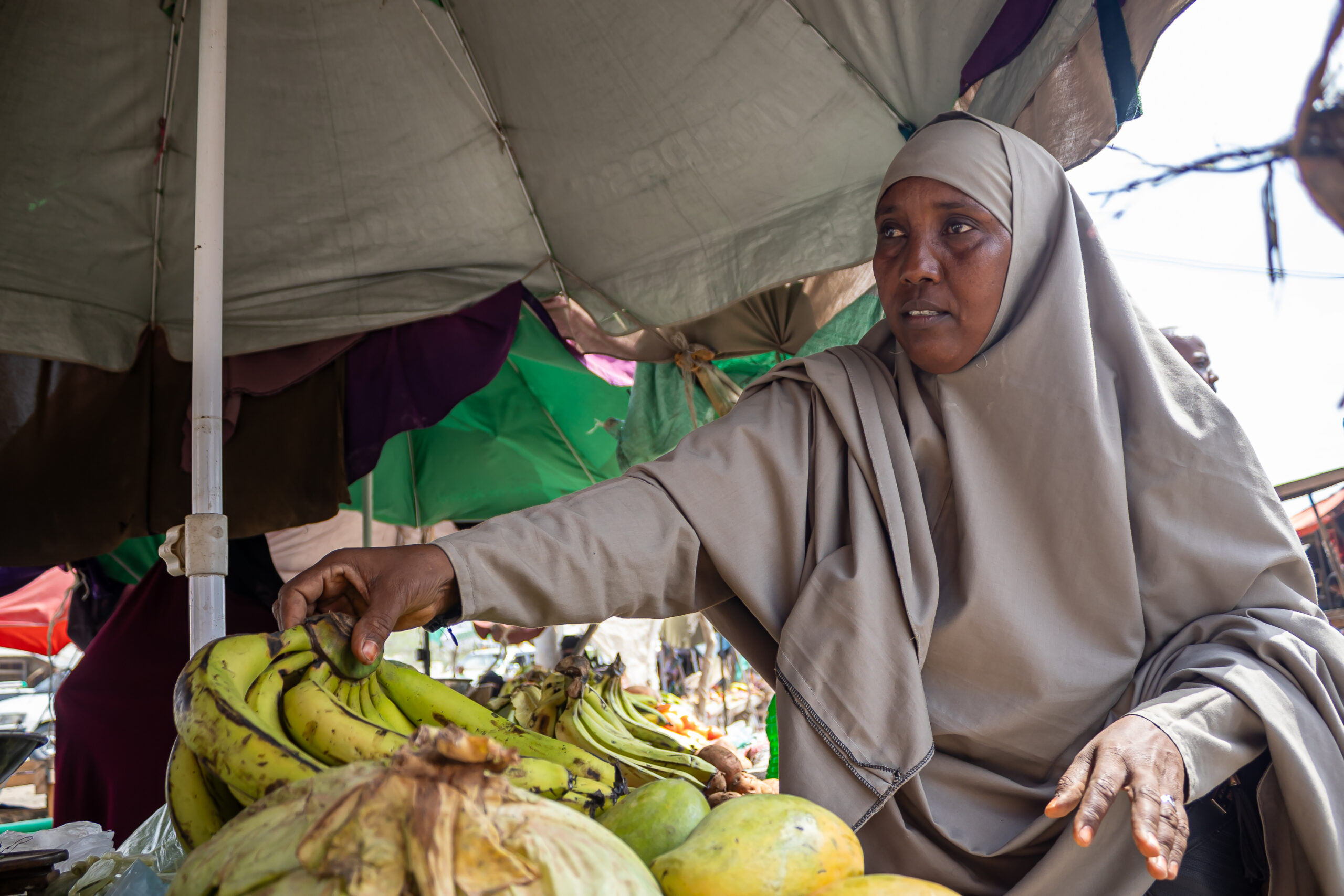
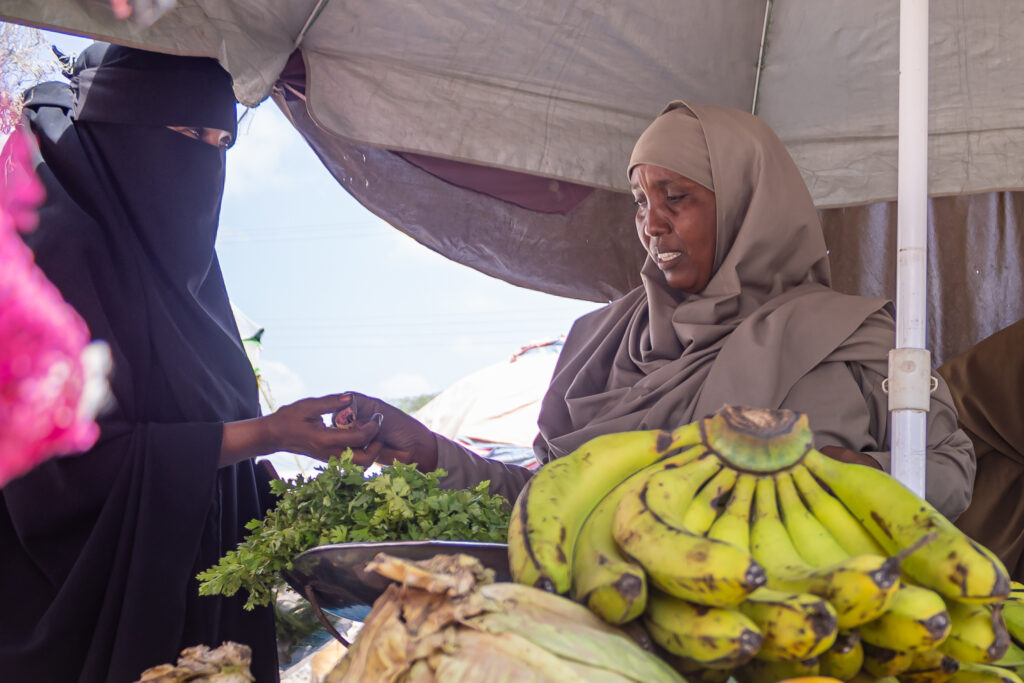
Adey Mohamed Abdi of Slaughter VSLA (Nihma Business Group) interacts with a customer at her stall.

Adey Mohamed Abdi, a member of the Nihma Business Group within the VSLA, is proof of the program’s immediate success. With her share of the grant, she has revitalised her grocery business.

“I have used the grant to improve my grocery business while taking care of my children,” Adey says.

Standing at her shop, now fully stocked with fresh vegetables, Adey is securing her children’s future. Her success demonstrates that when women are socially uplifted through GALS methodology and supported with capital, the entire family unit thrives.

___

About Kuza Jamii II

Kuza Jamii is Swahili for “Transforming Communities.” The project supports the Government of Kenya in increasing the socio-economic resilience of households living in extreme poverty through the poverty graduation approach. Funded by the UK Government’s Foreign, Commonwealth & Development Office (FCDO), the program is led by Village Enterprise in consortium with Echo Network Africa Foundation (ENAF), GENCAD, CHASP Advisory, and Smart Regional Consultants. The project is currently implemented in Isiolo, Garissa, Tana River, Marsabit, and Mandera counties.

Community Resilience & Livelihoods Kuza Jamii

Acting for Change: How Youth in Northern Kenya are Using Theatre to Break the Silence on Gender Violence

Acting for Change: How Youth in Northern Kenya are Using Theatre to Break the Silence on Gender Violence

In the arid expanses of Northern Kenya, deep-rooted cultural norms often dictate the pace of social change. To address this, a new narrative is being written. Echo Network Africa Foundation (ENAF) launched a critical phase of the Kuza Jamii II program. The initiative has deployed 357 youth leaders to champion Gender Equality and Social Inclusion (GESI) through the transformative power of the arts.

Funded by the British High Commission (FCDO) and implemented by a consortium led by Village Enterprise, Kuza Jamii II is a £7 million initiative designed to graduate households out of extreme poverty. However, sustainable economic resilience is impossible without social equity. ENAF has operationalized a “social graduation” model to address this need. We are equipping local youth groups with the Gender Action Learning System (GALS) methodology to dismantle barriers such as Gender-Based Violence (GBV) and early marriage.

The Strategy: Behavioral Change through Performance

Traditional sensitization methods often struggle to penetrate the social fabric of conservative communities. Lectures and town halls can feel confrontational or abstract. To bridge this gap, ENAF has pivoted to a community-led arts approach.

Following an intensive training workshop held last month, youth groups have been upskilled in script development and theatrical performance. These groups are already trusted entertainers within their wards and are now serving as tactical agents of change.

Pius Lokuru, a community leader from Korr in Marsabit, explains that the visual and emotional nature of drama bypasses defensiveness and sparks dialogue.

“A message delivered through performance lands differently than a lecture,” Lokuru observes. “When the community watches a drama, they act as if they are seeing their own reality reflected back at them. That is when the real message sinks in.” 

Case Study: From Bystander to Defender

The impact of this capacity building is already evident in the confidence of the participants. Catherine Bulyar, a youth leader with the Napoki Group in Karare Ward, describes the program as a turning point for women’s agency in her region.

Previously, Catherine notes, a culture of silence surrounded domestic violence. Interventions were rare and fear was the dominant response. However, the ENAF training has equipped her with both the language and the courage to act.

“Words alone often fail to provoke action, but performance demands attention,” Catherine asserts. “We are using action to drive change. Since the training, I have already intervened in cases of domestic violence and child abuse that would have previously gone unreported. I no longer feel helpless. If I see injustice, I know the protocol and I will report it.” 

Institutionalizing Referral Pathways

A key component of the training involved demystifying the reporting process for GBV. In Isiolo, Deka Ali of the Chimchim Youth Group highlights how the program clarified the often-confusing referral pathways for Gender-Based Violence cases.

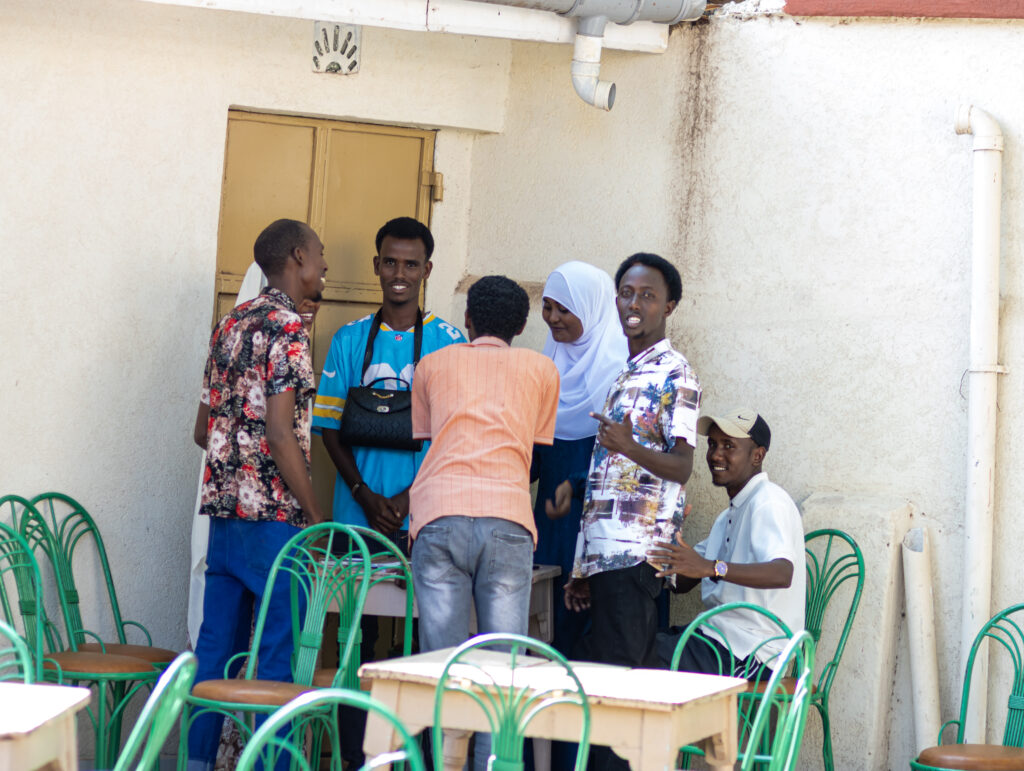
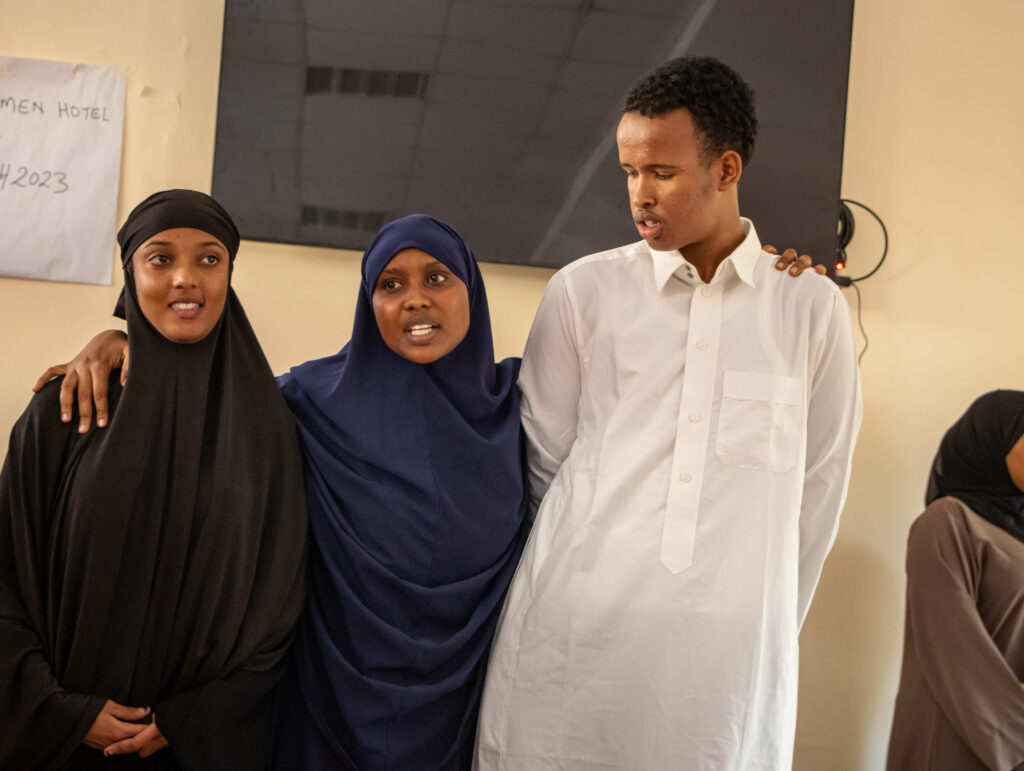
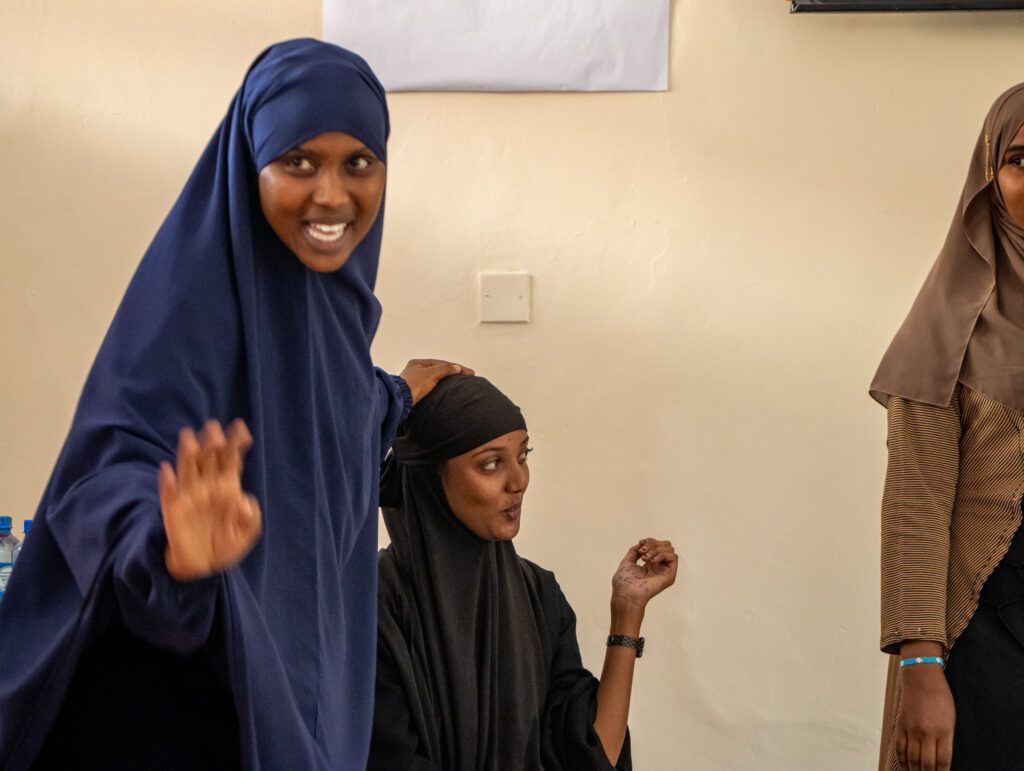
Deka Ali (Centre) rehearses with members of her youth group

Deka Ali (Centre) with her youth group members

Deka emphasizes that the training dismantled the harmful “private family matter” myth that often shields perpetrators.

“We used to witness conflict and dismiss it as a private household issue,” Deka admits. “That has changed. We now understand that we share the burden of our community’s well-being. Crucially, we learned that we don’t need to be investigators. Our role is to identify the breach and safely link victims to the authorities.” 

Scaling for Impact

This initiative is part of a broader regional rollout. ENAF has trained 20 youth groups across Garissa, Isiolo, Mandera, Marsabit, and Tana River. The program targets a reach of over 23,000 community members who are not direct recipients of economic grants.

These groups are moving from rehearsal spaces to public performances to create safe, inclusive forums for intergenerational dialogue. ENAF is embedding GESI principles into local entertainment to ensure that the economic gains of Kuza Jamii II are protected by a more inclusive and equitable social environment.