Traditional Elders Emerge as Protectors of Girls in Historic FGM Abandonment
In a historic shift to protect girls, traditional and religious leaders, who for generations were tasked with upholding the very traditions that perpetuate Female Genital Mutilation (FGM), have publicly signed declarations of abandonment to end the practice across Isiolo, West Pokot, and Tharaka Nithi counties. This milestone was reached following intensive dialogue forums convened by Echo Network Africa Foundation (ENAF), which successfully mobilised over 5,300 community members, including traditional leaders, FGM survivors, and male advocates.
For generations, these leaders were tasked with upholding the very traditions that perpetuate FGM. As part of ongoing efforts to transform social and gender norms, Echo Network Africa Foundation (ENAF) recently convened religious and cultural leaders dialogue forums to provide community gatekeepers with a safe space to interrogate the intersection of culture, faith, and child protection. The intervention recognises the influential role these groups play in shaping community norms, attitudes and practices. By engaging these trusted leaders, ENAF seeks to strengthen their commitment and capacity to challenge misconceptions and harmful social norms, influence community conversations, mobilise collective action, and champion the protection of women and girls from FGM.
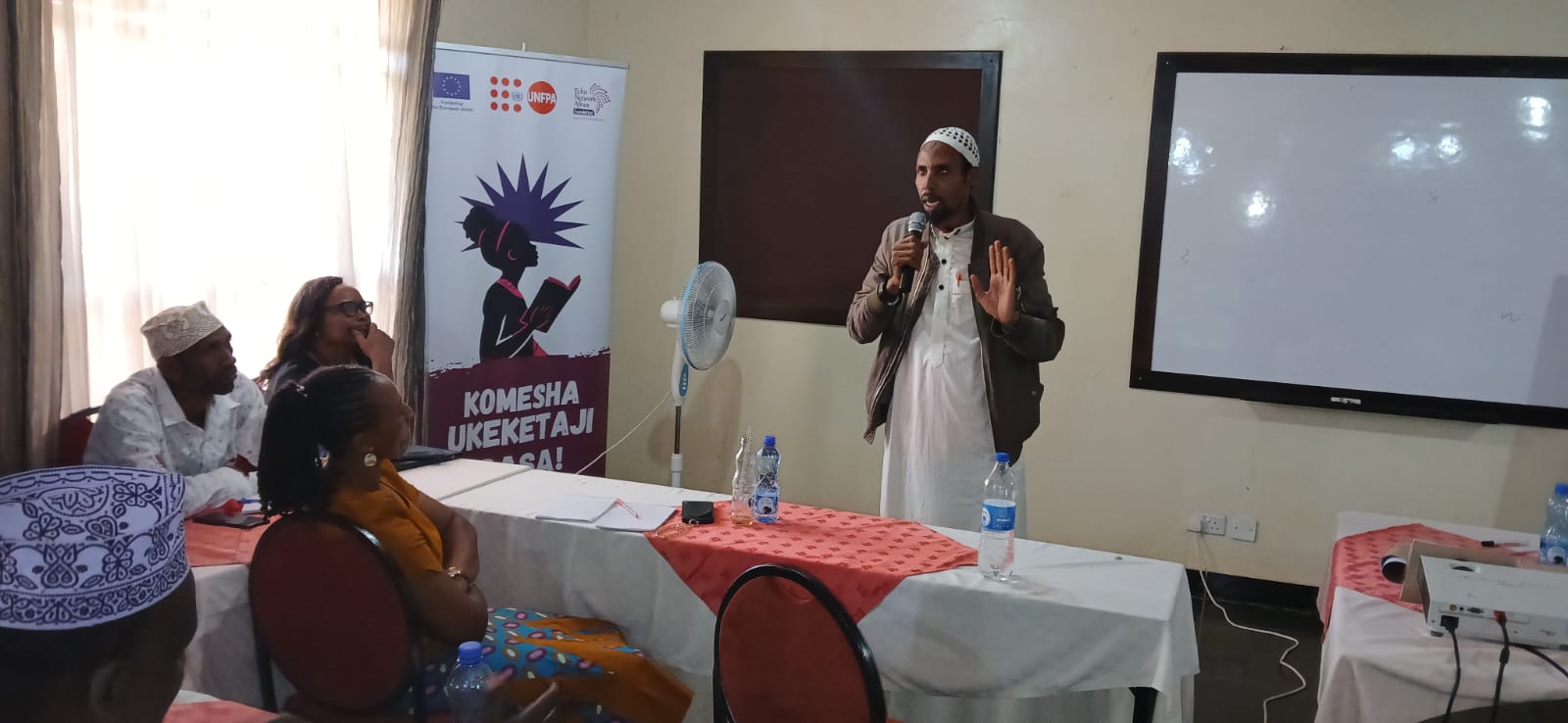
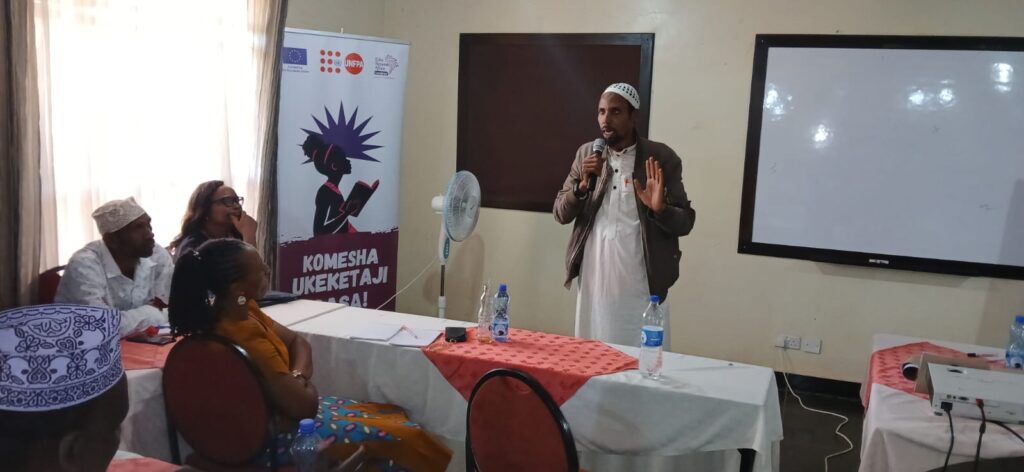
During the dialogues, participants re-examined beliefs linking FGM to religious obligation and marriageability, reflecting on its harmful consequences for the health, rights and well-being of women and girls. Addressing fellow leaders during the Isiolo forum, Mzee Omar highlighted how eye-opening the sensitisation sessions are: “Before, we thought it was religious. But after attending this sensitisation forum, I realised it was purely cultural. I ask all our cultural leaders in this forum today to stand up and protect our girls and women from this outdated culture, because when an elder speaks, people listen.”
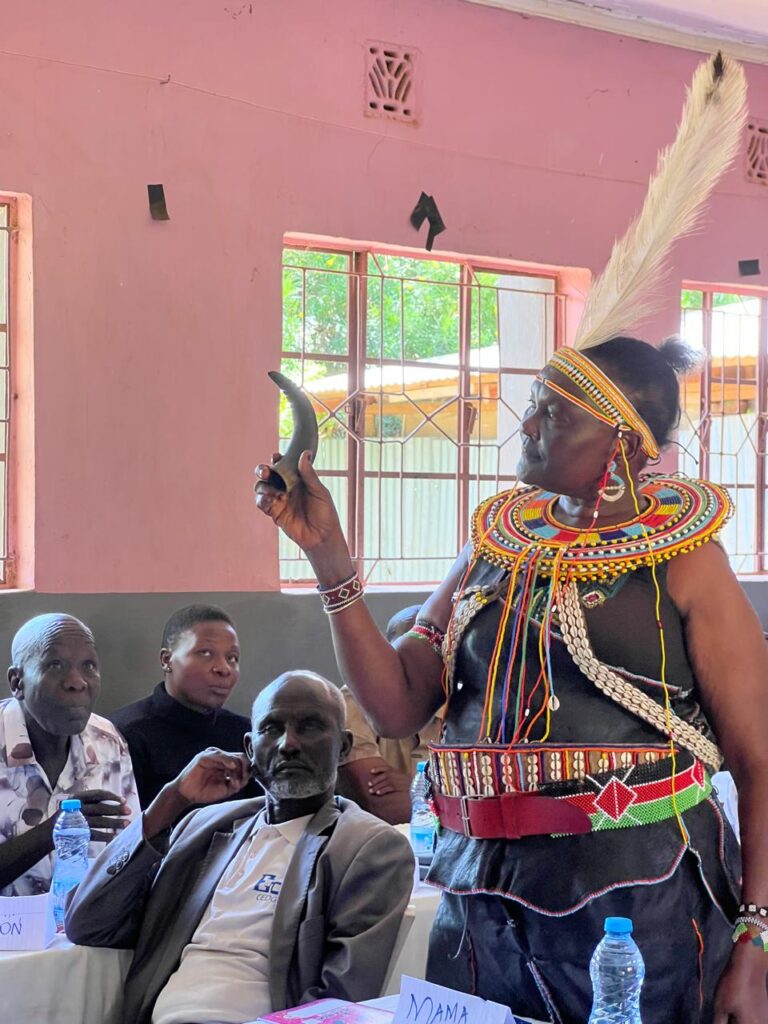
Taking full ownership of the campaign’s momentum, Kipkerker, a cultural leader from Pokot Central echoed this commitment, noting: “We must take full responsibility to champion the ‘Komesha FGM Sasa!’ initiative, because our children cannot afford to lose their future to practices we have the power to stop.”
Moving from dialogue to concrete action, communities are establishing localised protection mechanisms. In West Pokot, engaged men and boys have proposed establishing grassroots male vigilance units to monitor and protect girls during high-risk school holiday periods.
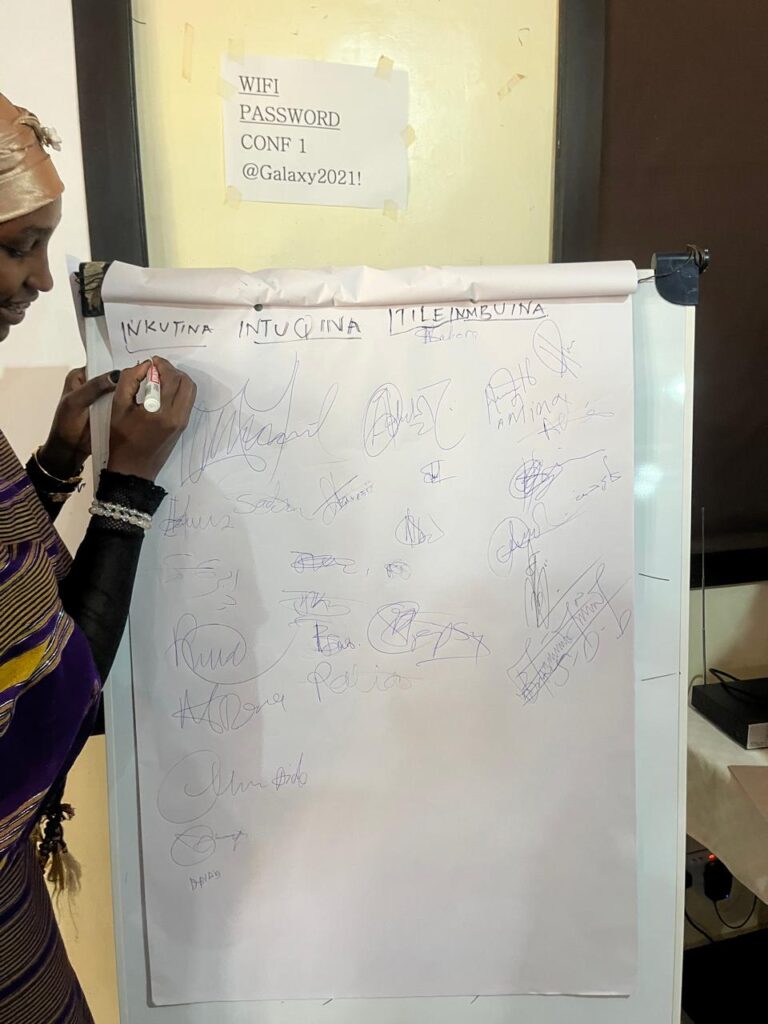
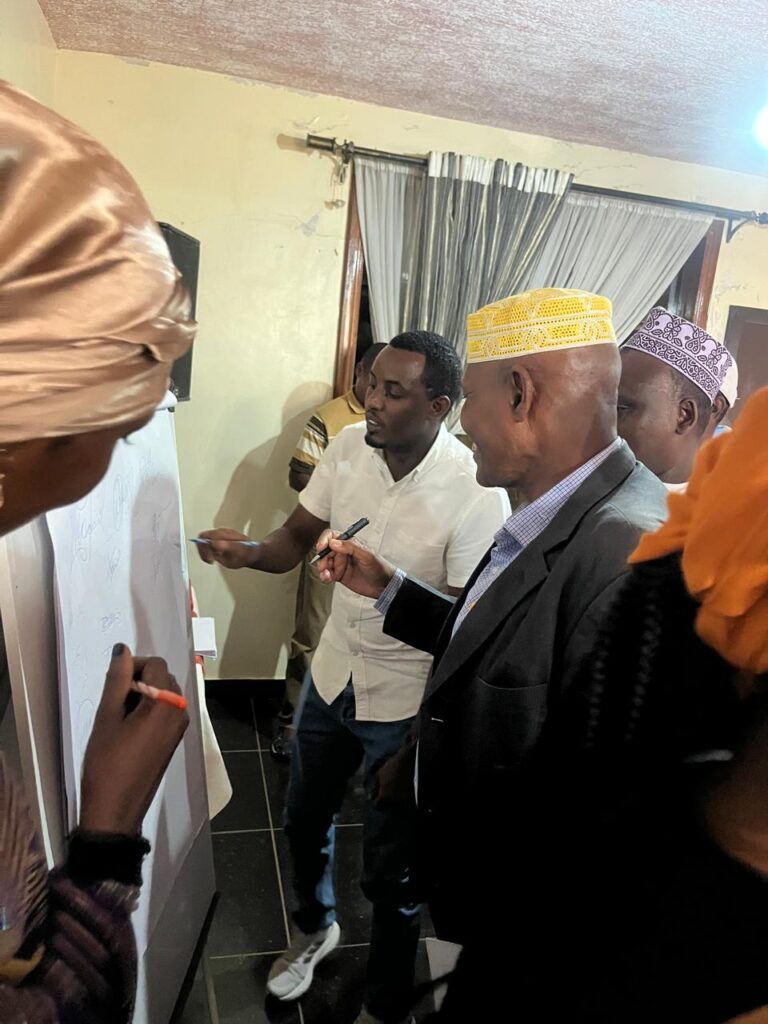
By publicly challenging FGM and signing declarations of abandonment, traditional and religious leaders are strengthening community ownership and using their influence to turn awareness into sustained action to protect women and girls. Through these ongoing engagements, every participant is encouraged to become an agent of change within their family, because protecting girls is a collective responsibility, and a safe girl means a stronger community.
___
The ‘Komesha FGM Sasa!‘ campaign is implemented by Echo Network Africa Foundation (ENAF), with support from the European Union and UNFPA.