
Girls Excel Organizational News

Championing Freedom and Dignity: ENAF Celebrates International Day of the Girl Child 2026

Championing Freedom and Dignity: ENAF Celebrates International Day of the Girl Child 2026

Echo Network Africa Foundation (ENAF) joins the global community in celebrating girls on this International Day of the Girl Child.

The world over, girls have been subjected to unnecessary burdens that have come in the way of progress. While some notable strides have been made, much more remains undone in the fight against barriers that continue to hold girls back: FGM, early marriages, teenage pregnancies and period poverty.

On this International Day of the Girl Child, ENAF urges all people of goodwill to take action, however small, to end these harmful practices and help girls everywhere to enjoy their God-given freedom and dignity.
Girls Excel

ENAF Champions School Re-entry for Teenage Mothers on International Youth Day

ENAF Champions School Re-entry for Teenage Mothers on International Youth Day

To mark International Youth Day 2026, Echo Network Africa Foundation joined community members, youth advocates, and adolescent mothers at the Amani Kibera BookHouse for an open community dialogue on Wednesday, August 12, 2026.

Held under the global theme, “Different Contexts, Common Aspirations,” the forum drew inspiration from CFK Africa’s publication, Still, I Rise, which highlights the lived experiences and resilience of teenage mothers in informal settlements. The session provided a safe space to discuss the systemic barriers adolescent mothers face and explore collective solutions to support their aspirations.

Through its Girls Excel Initiative, Echo Network Africa Foundation championed the right to education for young mothers, advocating for community-backed re-enrolment and school retention to ensure that early motherhood does not end a girl’s learning journey.

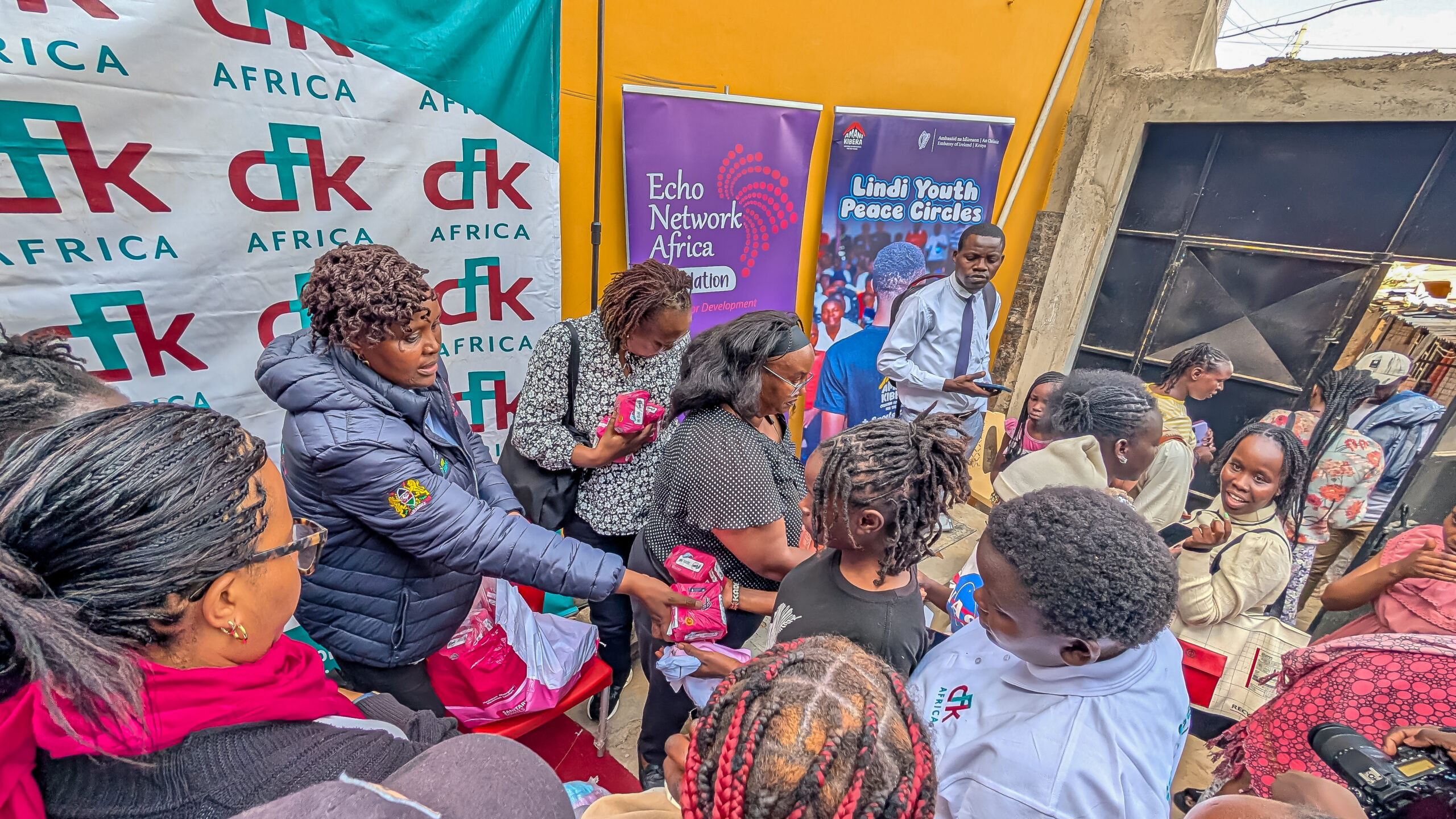
To provide immediate, practical support, Echo Network Africa Foundation distributed dignity kits to the teenage mothers in attendance, addressing hygiene needs and restoring self-confidence. The engagement reinforced the foundation’s commitment to eliminating stigma, fostering inclusive learning environments, and empowering adolescent mothers to return to school and thrive.

Girls Excel Organizational News

ENAF and Ministry of Education Review Girls Excel Initiative and Mobile Science Lab Impact

ENAF and Ministry of Education Review Girls Excel Initiative and Mobile Science Lab Impact

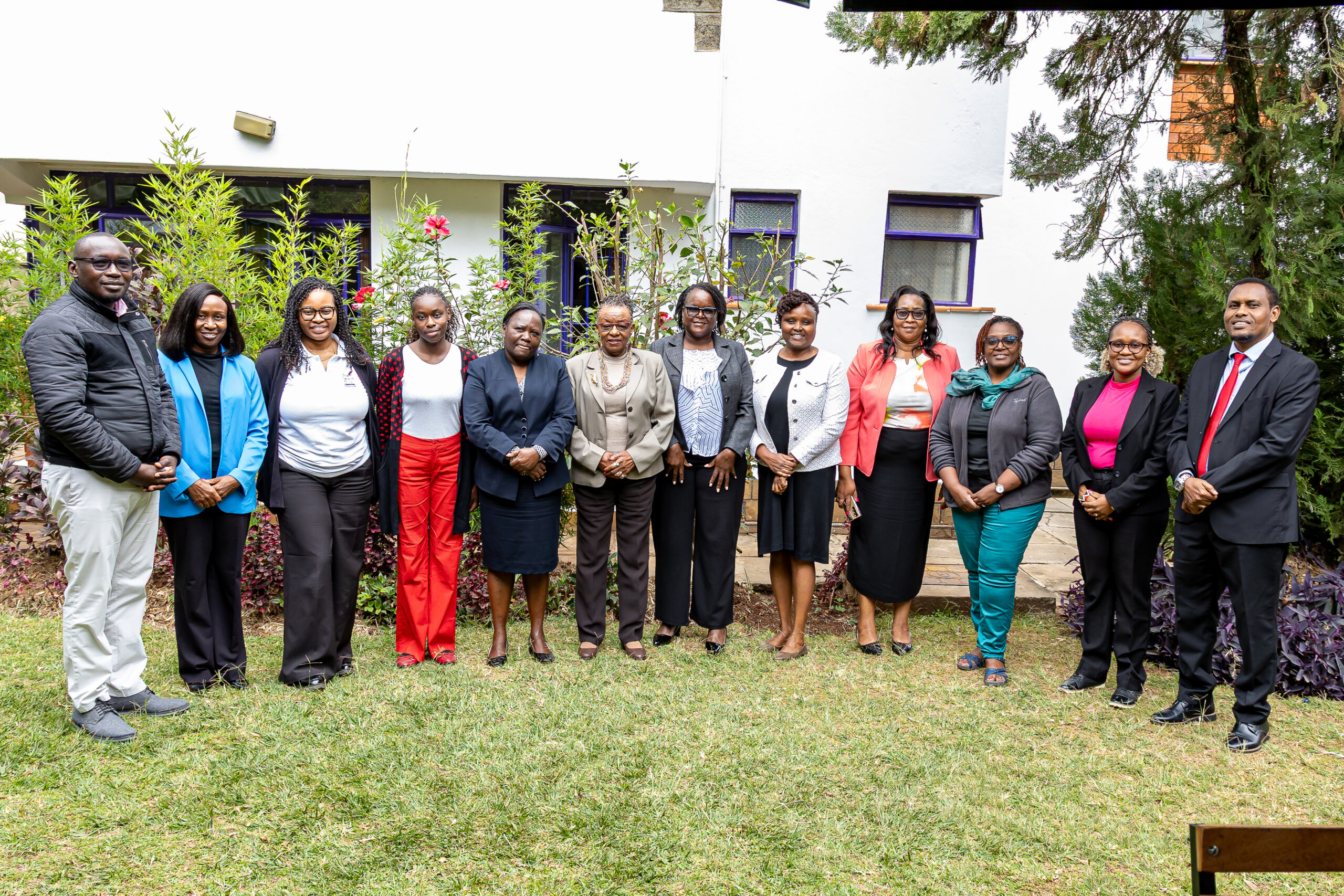
Echo Network Africa Foundation (ENAF) hosted officials from the Ministry of Education at its Nairobi offices for a progress workshop. The session provided a platform to review the Girls Excel Initiative report covering program activities and milestones achieved from July 2025 to date across 21 schools in 18 counties.

By pairing mobile STEM laboratories and Hesabu Clubs with mentorship and dignity kit distribution, the initiative directly addresses period poverty and classroom absenteeism. The program brings essential science equipment and structured learning support directly to underserved primary and secondary schools.

Partner institutions continue to see marked improvements in student STEM performance as hands-on experiments replace purely theoretical lessons. Recent deployments, including a specialized unit for the Ngala School for the Deaf, have further expanded access to practical science resources for learners with special needs.

Girls Excel

Local Philanthropy and Corporate Action Unite as ENAF and AAR Hand Over 19th Mobile Science Lab

Local Philanthropy and Corporate Action Unite as ENAF and AAR Hand Over 19th Mobile Science Lab

Dr Jeniffer Riria, President and CEO of Echo Network Africa Foundation (ENAF), together with representatives of AAR Insurance, donated a solar-powered Mobile Science Laboratory to Kavoo Comprehensive School. In Kitui West, the equipment, which is sourced from the School Equipment Production Unit (SEPU), is expected to be shared by more than 300 pupils from the surrounding schools in order to ease the huge challenge of inadequate equipment for teaching Science subjects at Junior and Senior Schools in the country.  So far, ENAF, in partnership with individuals and corporate Partners has donated nineteen Mobile laboratories to a similar number of schools drawn from across the country, enabling over 5,000 pupils to access equipment necessary for the study of Science, Technology, Engineering, and Mathematics (STEM) subjects.   Among those who attended the event were County Director of Education Dr. Khalif Hassan, TSC County Director Margaret Kamau, County Quality Assurance Officer James Gathogo, and other representatives from the Ministry of Education.  

In her keynote speech, Dr. Jennifer Riria emphasised the need for equal access to quality education by all children regardless of where they are born.  She said:  

“At ENAF, we believe education is the most powerful equalizer in society. If Kenya is to compete successfully in the twenty-first century, we must invest deliberately in the minds that will drive future innovations.“

Speaking at the event, Ms Sarah Warutere of AAR Insurance pointed out that the partnership with ENAF aims to invest in initiatives that address real learning barriers: “When you remove barriers to learning, you do not just change what a student can do, you change what they believe about themselves. It places a resource in a child’s hands today.” The necessity of this intervention was best captured by Head of Institution, Cate Mitau: “The lab will do a lot in improving the grades of the learners. We have just been doing theory; we’ve talked about laboratories, but they didn’t know what ‘animal’ this is. Effective today, our pupils know what it is.”

The initiative by ENAF, under the Girl Excel Program Centre, is to provide Mobile Laboratories to pupils in Jnr and Snr Schools, aimed at enhancing the learning of STEM subjects in general, and more importantly, to encourage the uptake of STEM subjects by girls.  More than 20,000 public schools in Kenya lack access to science equipment. ENAF is working together with the Ministry of Education and other partners to solve this challenge, one school at a time, at a cost of Ksh 200,000.

You too can be part of this life-changing initiative.  Send your donation marked (Mobile Laboratory and the school) to: MPESA Paybill: 972800.

ENAF President & CEO Dr. Jennifer Riria addressing learners at Kavoo Comprehensive School during the official deployment of the 19th Mobile Science Laboratory and Science Kit under the Girls Excel Initiative.
Kitui County Director of Education (CDE) Dr. Khalif Hassan underscores the value of practical learning tools during the inspection of the newly delivered ENAF-AAR Mobile Science Laboratory and Junior School Science Kit at Kavoo Comprehensive School.
Kavoo Comprehensive School learners hold mentorship banners alongside ENAF President & CEO Dr. Jennifer Riria, AAR Insurance ESG Lead Sarah Warutere, and Ministry of Education officials during the lab handover.
Girls Excel

ENAF and Malaysian High Commission Unveil 18th Mobile Science Lab at Kibera Primary School on Menstrual Hygiene Day

ENAF and Malaysian High Commission Unveil 18th Mobile Science Lab at Kibera Primary School on Menstrual Hygiene Day

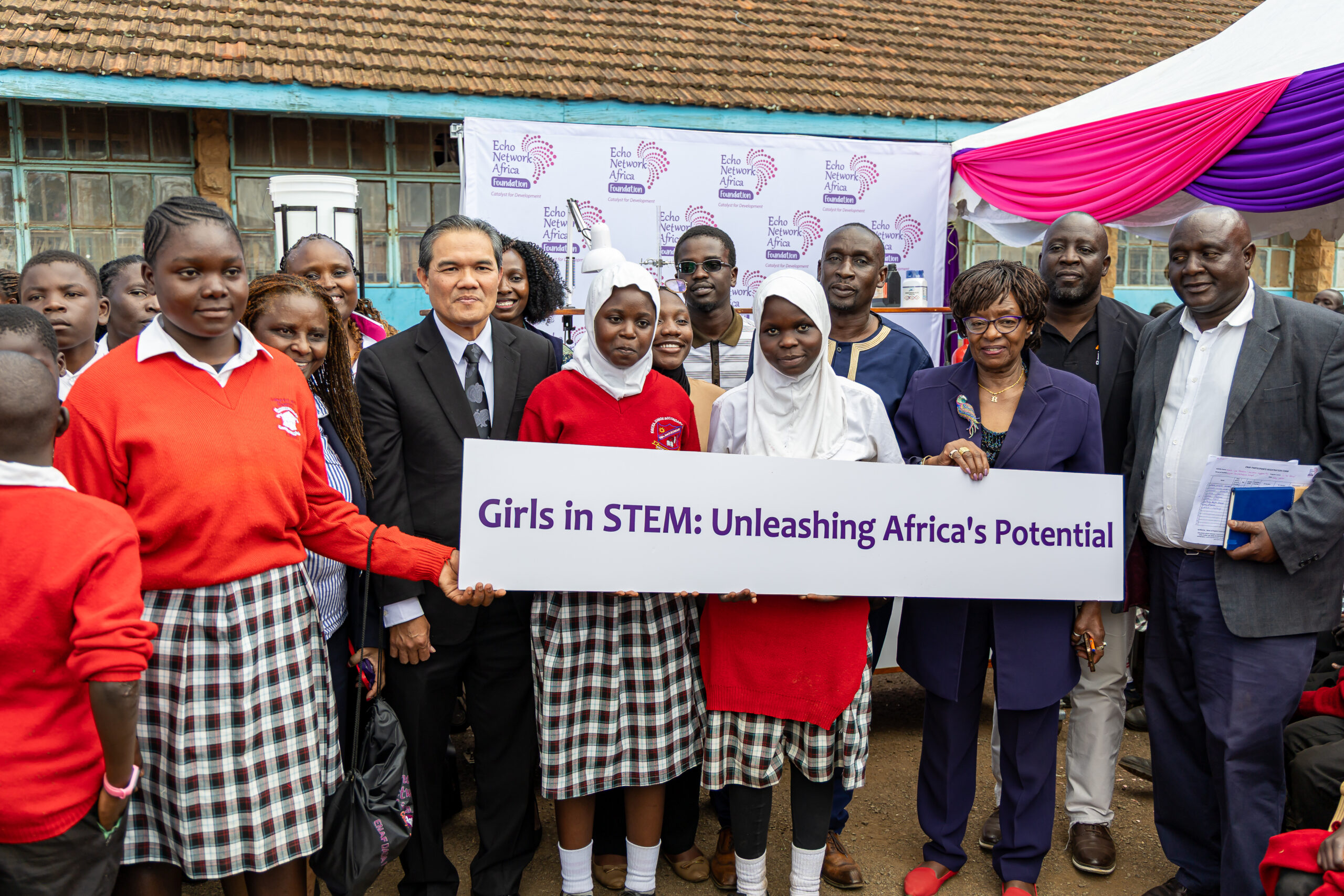
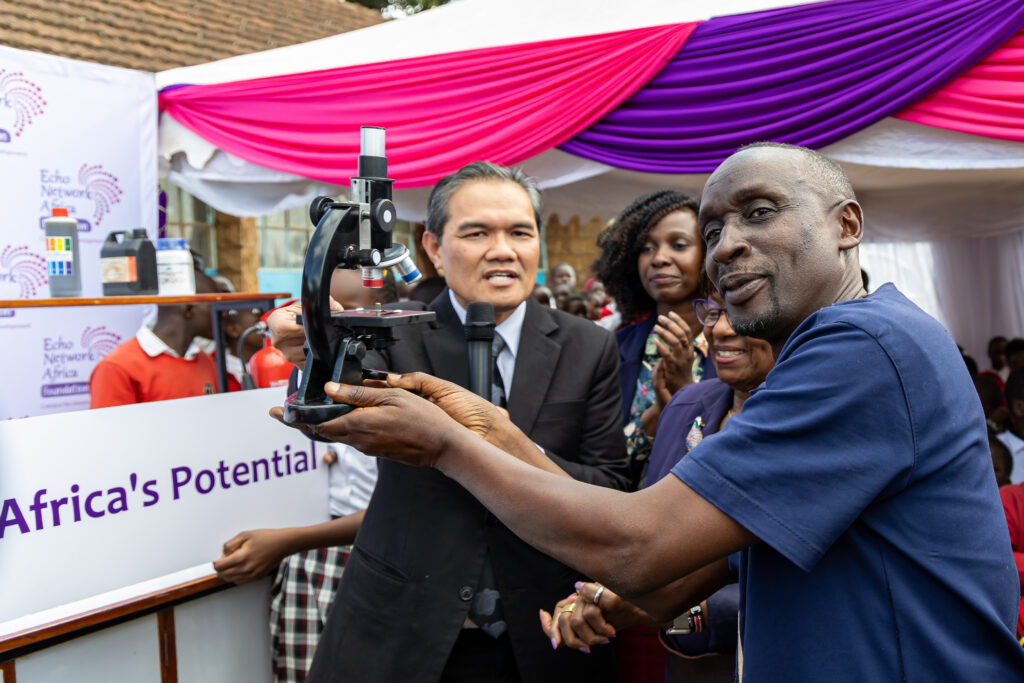
To mark global Menstrual Hygiene Day under the theme “Together for a period friendly world,” Echo Network Africa Foundation (ENAF), through the generous giving of the Malaysian High Commission, officially handed over its 18th Mobile Science Laboratory countrywide at Kibera Primary School.

The deployment expands ENAF’s national educational footprint across 18 under-resourced schools in 14 counties, with Nairobi proudly joining the initiative. To ensure equity, beneficiary schools span regions from Murang’a and Kilifi to Marsabit and Busia, ensuring quality STEM access is never limited by geography or economic status.

Speaking at the launch, ENAF President & CEO Dr. Jennifer Riria highlighted the link between infrastructure and dignity under the Competency-Based Curriculum (CBC). “Access to practical science infrastructure through these mobile laboratories is absolutely essential to ignite innovation,” Dr. Riria stated. “However, institutional investments in STEM must be protected by investments in human dignity. A girl cannot utilize a state of the art laboratory if period poverty or social stigma forces her to stay at home.”

Through the Girls Excel Initiative, ENAF pairs STEM access with dignity support. In the current intervention quarter alone, ENAF has distributed 7,678 dignity kits containing sanitary towels to 3,855 girls, directly combating school absenteeism.

This milestone represents the second mobile lab delivered in partnership with the Malaysian High Commission, following their sponsorship of a lab for the Ngala School for the Deaf in Nakuru County. Emphasizing the power of collective philanthropy, Dr. Riria invited corporate partners and policymakers to co-invest in digital connectivity and mentorship networks to sustain learners’ scientific curiosity into lifelong careers.

Kuza Jamii

Thriving Beyond Physical Challenges Through Family Unity

Thriving Beyond Physical Challenges Through Family Unity

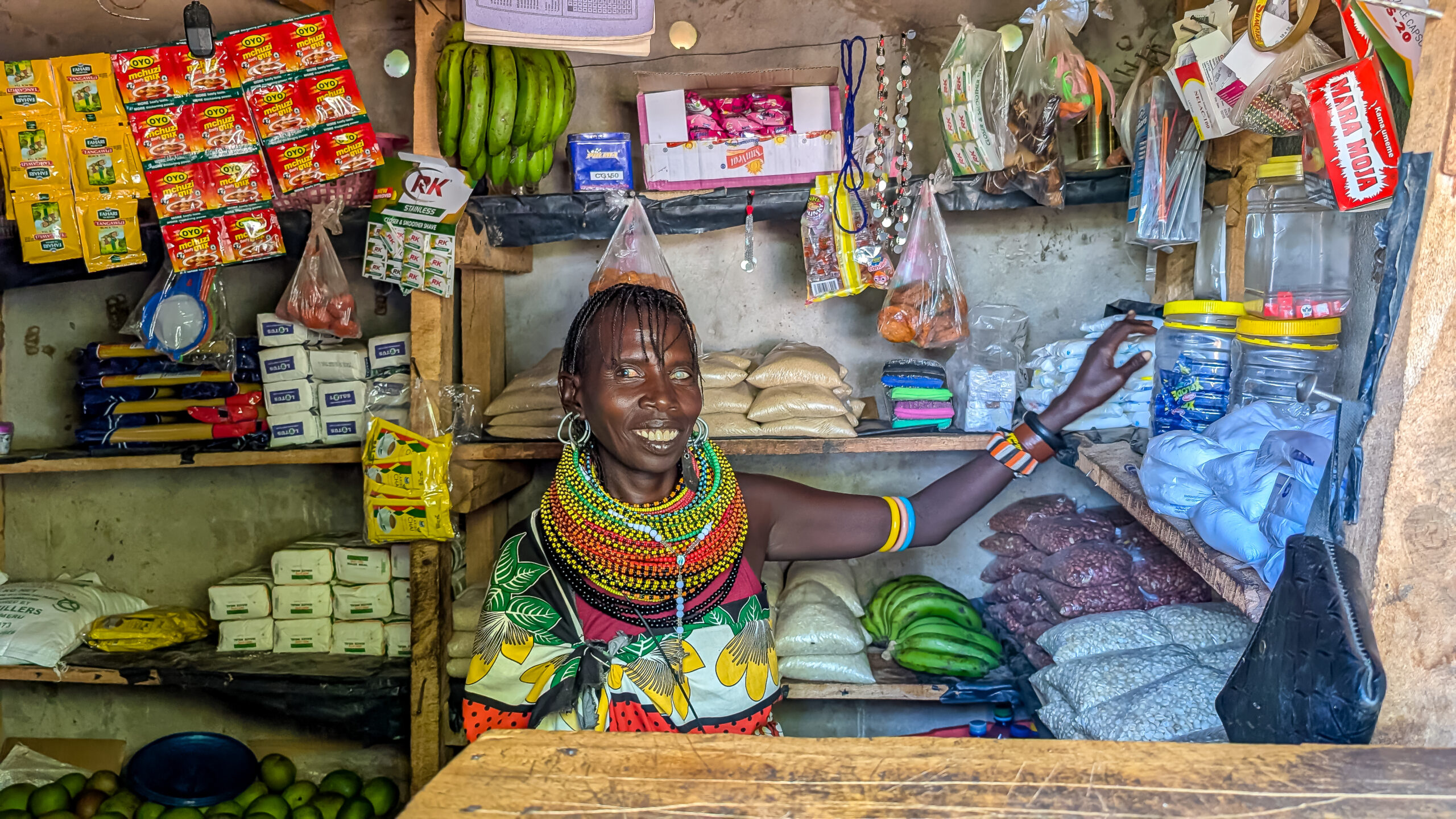
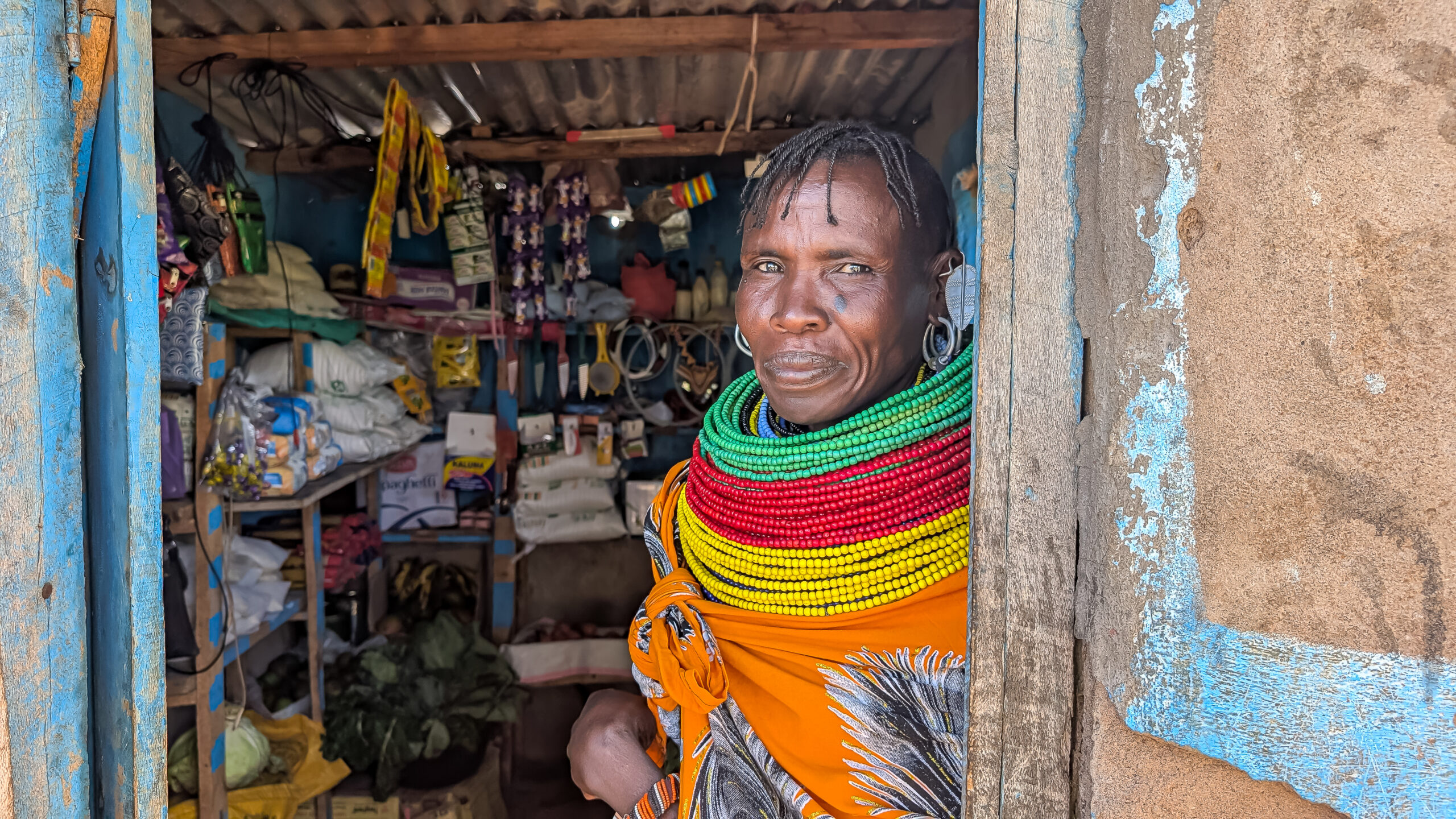
“If the tea was pouring over or the baby was crying, a man in our community would never have stepped in if the woman was not there. Today, that has changed. I can stay at my shop until late because I know my home is taken care of by my husband and my children. We are finally united as a family. My husband broke long standing cultural norms to build my shop as an extension of our home so I can work safely. Even my children and their spouses have learned to share the household chores, ensuring that our progress is something the whole family owns together.”


Veronica’s journey with the Echami Business Group highlights how Echo Network Africa Foundation (ENAF) creates intergenerational resilience through its GESI centred approach within the Kuza Jamii project. By applying the Happy Family Tree framework, ENAF helps families identify household governance as the key to ensuring that domestic resources reach their intended goals. Working in partnership with Village Enterprise, GENCAD International, Smart Regional Consultants (SRC), and CHASP Advisory, this approach proves that when the burden of care is shared, entrepreneurs can thrive regardless of physical challenges.


Across the Kuza Jamii initiative, ENAF has reached a total of 31,985 participants with GESI messaging. This partnership, supported by UK International Development and the Government of Kenya, ensures that the next generation values inclusion as a cornerstone of community strength.

Kuza Jamii

From Domestic Isolation to Entrepreneurial Success: Loljuk’s Journey

From Domestic Isolation to Entrepreneurial Success: Loljuk’s Journey

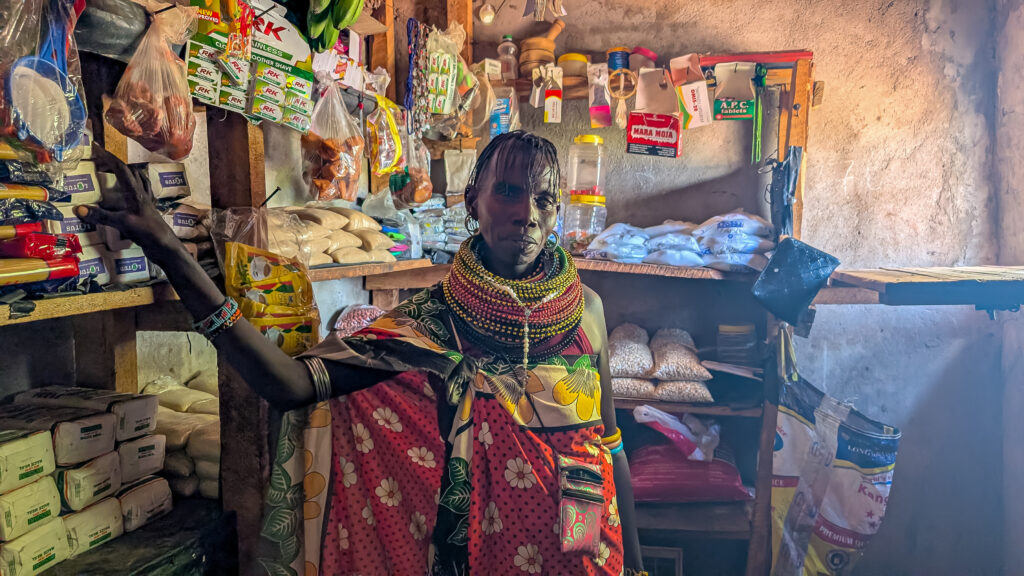
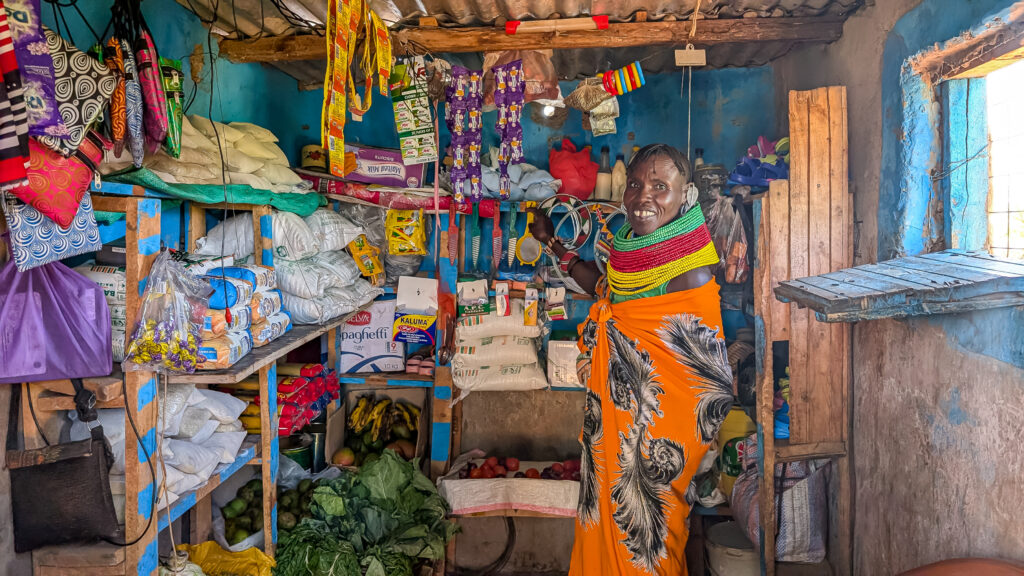
“There was a time when my culture drew a line I could not cross; my duties were confined to the house, and the idea of running a shop was a world away. Today, that line has faded. My husband now shares the weight of our home, feeding our child so that I can lead our business. This is the Happy Family we were taught to build. Before we started these lessons, I felt I was working in isolation, carrying the entire weight of our survival on my back. Now, I stand with the Atalakaros Business Group knowing that my success at the shop is supported by a partner at home. We no longer see the shop as just my work, but as our family’s future, and that unity has given us a stability we never thought possible.”


Loljuk’s success is a profound indicator of how GESI is being integrated into the fabric of daily life through the leadership of Echo Network Africa Foundation (ENAF) within the Kuza Jamii project. By moving beyond traditional economic aid, ENAF addresses the core of household decision-making to dismantle cultural barriers that often limit women’s economic empowerment. In collaboration with Village Enterprise, GENCAD International, Smart Regional Consultants (SRC), and CHASP Advisory, ENAF uses participatory learning to ensure that men and women work as equal partners in their enterprises. This collective approach allows families to build resilient livelihoods that move beyond a total reliance on unpredictable factors like livestock trades.

Kuza Jamii

How Collaborative Planning is Securing the Future for Akuwam’s Family

How Collaborative Planning is Securing the Future for Akuwam’s Family

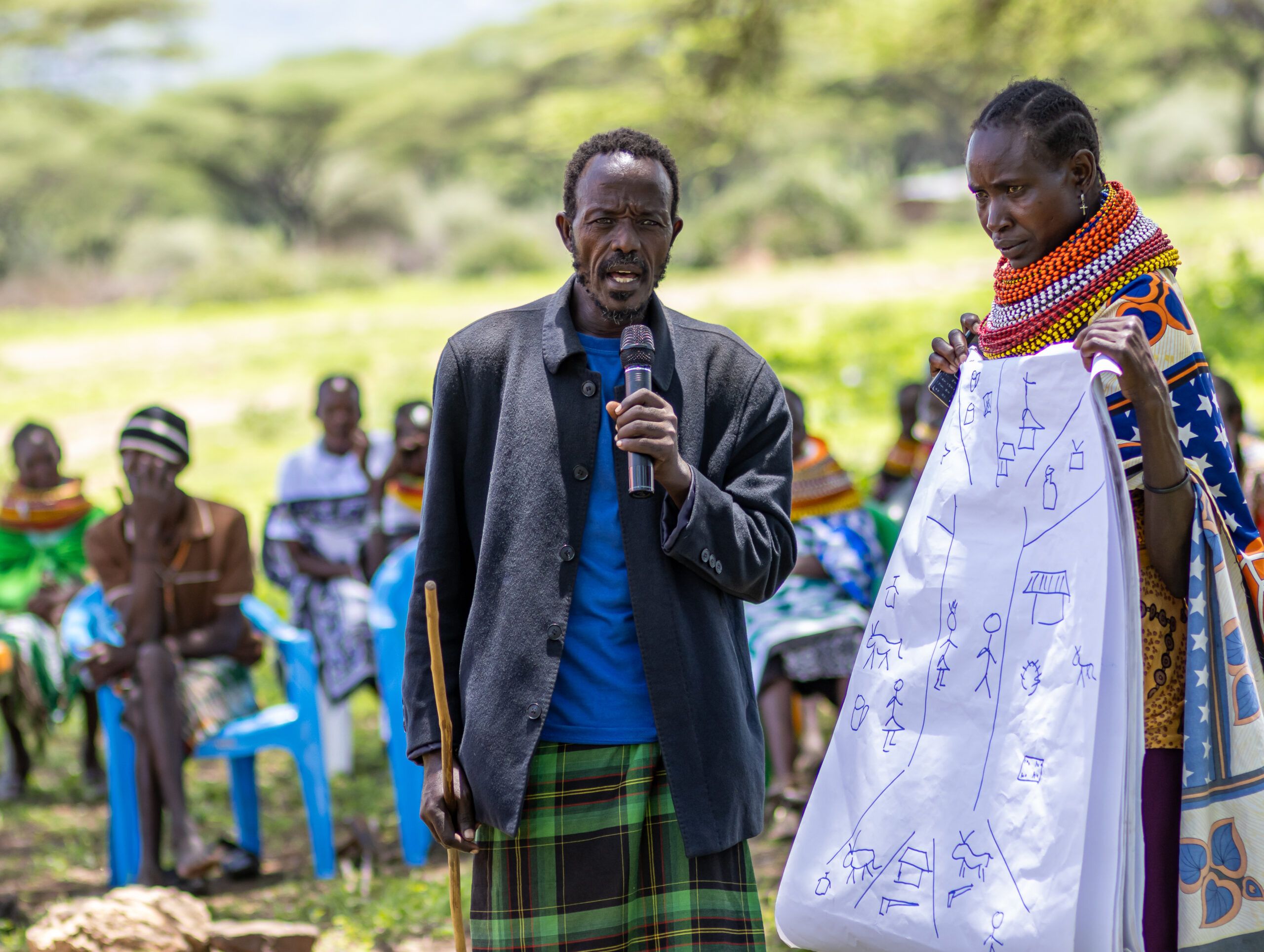
“Together, as a family, we sit down with my wife and our children to discuss everything that happens in our home. I used to manage our affairs alone, but I have learned that a home without a woman’s voice is like a tree without roots. Now, we plan our finances and our children’s education together. In my family, we have seen the fruit of unity. Our home is more stable, our children are staying in school, and we are no longer at the mercy of the weather alone. We have found a new way to live that values every member of our household.”

​Akuwam’s experience with the Ngamanat VSLA in Isiolo captures the essence of the community forums held throughout the Kuza Jamii ASAL counties.

Echo Network Africa (ENAF) leads the Gender Equality and Social Inclusion (GESI) agenda within the Kuza Jamii project by deploying the Happy Family Tree as a diagnostic tool to help participants reflect on and address deep seated gender biases. Working in partnership with Village Enterprise, GENCAD International, Smart Regional Consultants (SRC), and CHASP Advisory, ENAF ensures that men like Akuwam gain the practical skills needed to transform household governance into a collaborative partnership. This joint effort empowers every family member to contribute to a shared vision, moving the entire community toward a more equitable and sustainable future.

Girls Excel

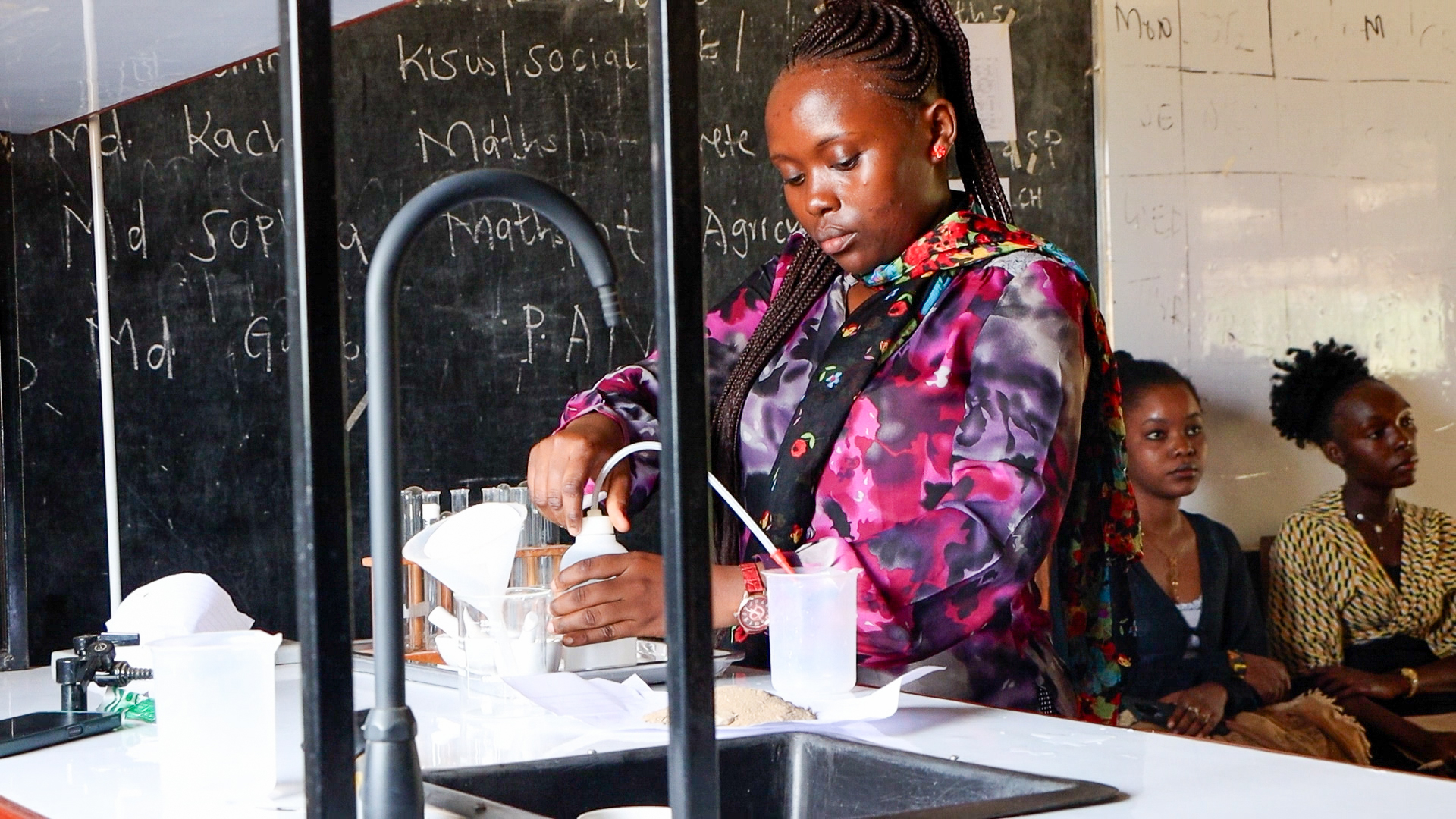
Beyond the Textbook: How Mobile Labs are Igniting STEM Aspirations

Beyond the Textbook: How Mobile Labs are Igniting STEM Aspirations

At Echo Network Africa Foundation (ENAF), we believe that a girl’s potential should never be limited by her infrastructure. For many students in rural Kenya, Science was once a theoretical dream. It was a subject taught from textbooks without the tools to bring it to life.

In celebration of the International Day of Women and Girls in Science, we are sharing the findings from our latest impact assessment. While ENAF has already delivered mobile laboratories to 16 schools across 14 counties, our team recently conducted a field visit to beneficiary schools in Murang’a, Makueni, Kilifi, and Tana River to evaluate the transformation firsthand. The evidence is clear:

when you give a girl the tools to experiment, you give her the confidence to lead.

From Improvised Tools to Real Discovery

Before the arrival of the ENAF Mobile Science Labs, teachers often had to improvise using locally available materials. In some instances, they were forced to cut plastic water bottles to act as beakers for classroom experiments. Today, that narrative has changed.

Our latest monitoring visit confirmed that teachers have moved from “dry practicals” to consistent, weekly laboratory sessions. The impact on the learners has been immediate and profound. As one student shared:

It’s made me come to school daily. I can touch these test tubes and the tripod stand live!

Proven Results: A Data-Driven Success

Our commitment to accountability ensures that every intervention is tracked for measurable success. The Field Monitoring and Evaluation Report from our January 2026 visit revealed a significant shift in academic performance and student well-being:

  • Academic Excellence: At Mung’etheele Primary School, top scores in Integrated Science (EE1) rose from zero to four in just one term following the lab’s delivery.
  • Increased Retention: At Tunzanani Primary School, school dropouts fell from three to one in 2025. Teachers attribute this to increased student motivation and the provision of ENAF Dignity Packs, which ensure girls do not miss school during menstruation.
  • Inspiring Careers: We observed a significant shift in career aspirations. Students who previously aspired to teach English are now choosing STEM pathways with the goal of becoming doctors and integrated science teachers.
  • Inclusive Learning: The report verified that learners with disabilities (PWDs) have particularly benefited from the engaging, hands-on nature of the mobile laboratories.

A Hub for Regional Innovation

The impact of these laboratories extends beyond the individual beneficiary schools. Neighbouring institutions have begun requesting permission to use the facilities, effectively turning these schools into regional hubs for practical STEM learning. The monitoring visit verified that the laboratories remain in excellent condition and are handled with immense pride by the local communities.

Join the STEM Revolution

While we celebrate these milestones, our journey is just beginning. Success is proven and the impact is visible. However, thousands of girls across the country still lack access to the tools they need to lead the scientific revolutions of tomorrow.

Our mobile laboratories have already transformed STEM learning in 16 schools across 14 counties, but we need more support to scale this impact across the entire country. Help us ensure that every girl in Kenya has the opportunity to engage in STEM and touch her own future.

Watch the full documentary below to see the impact in action:

Kuza Jamii

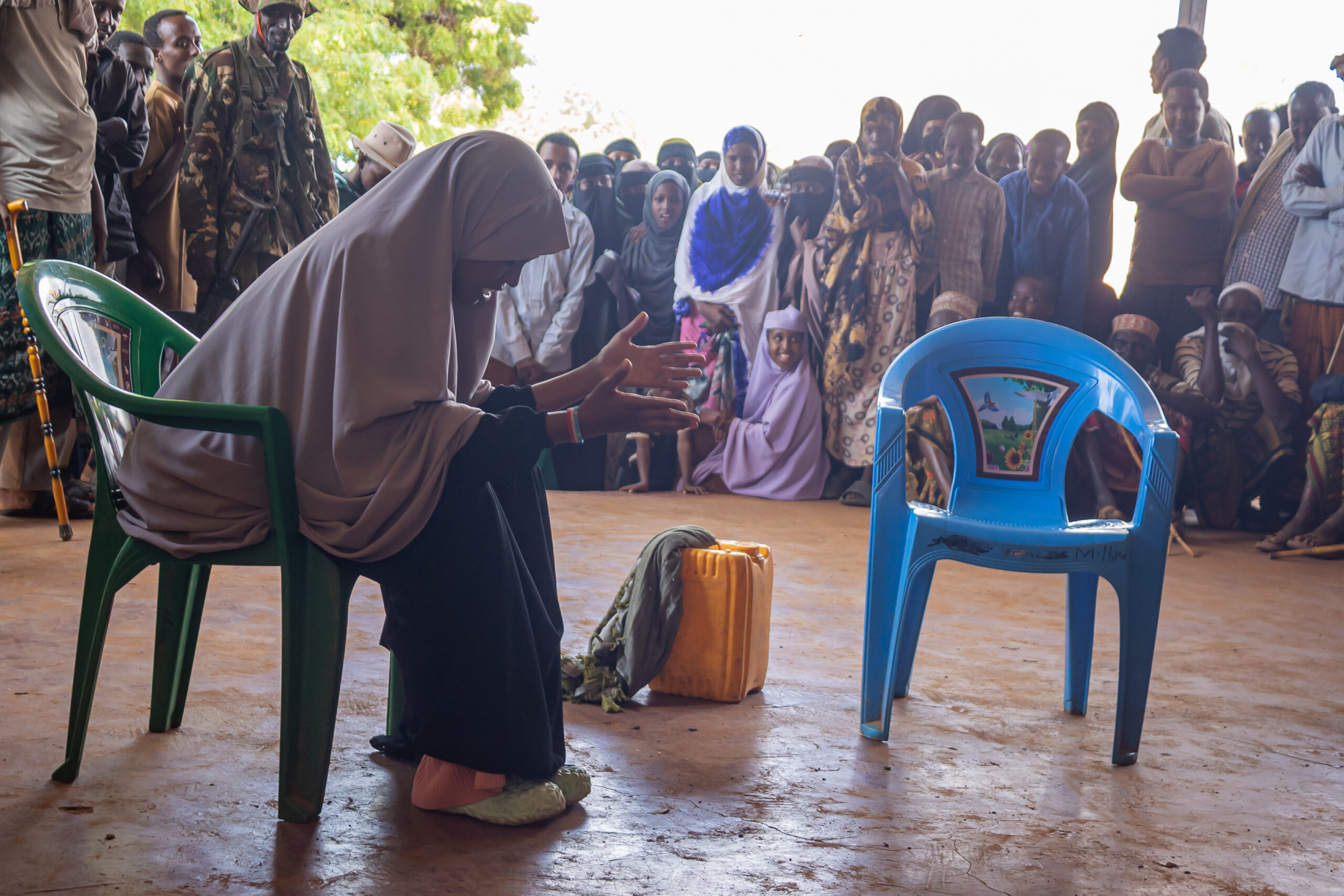
When the Tree Bends: How ‘El Wak Got Talent’ Used Art to Heal Households

When the Tree Bends: How ‘El Wak Got Talent’ Used Art to Heal Households

Wargadud, Mandera County

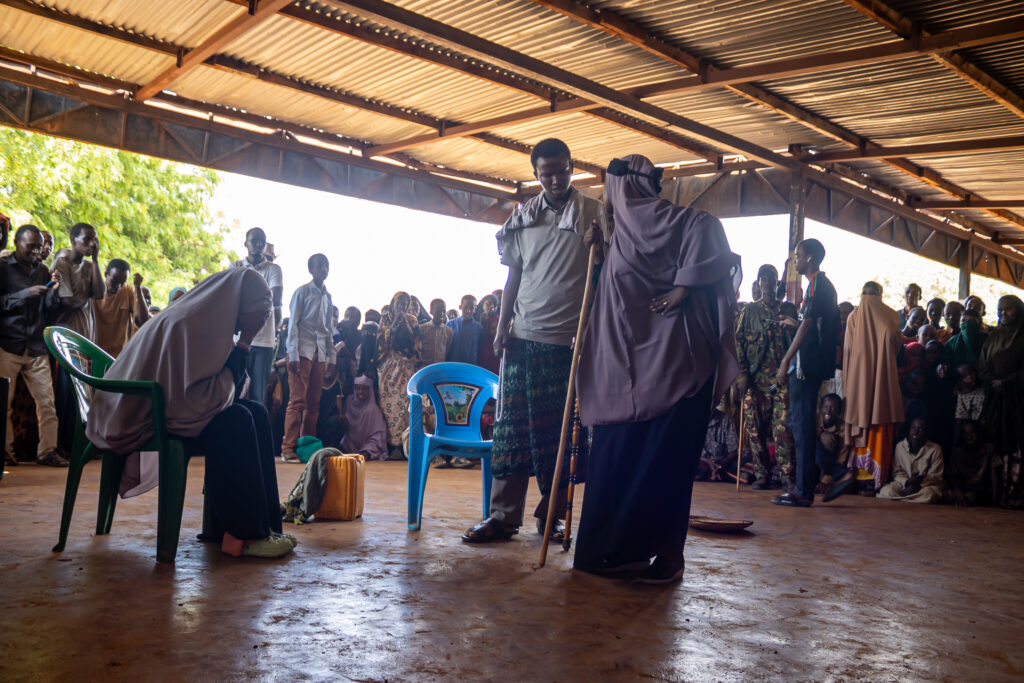
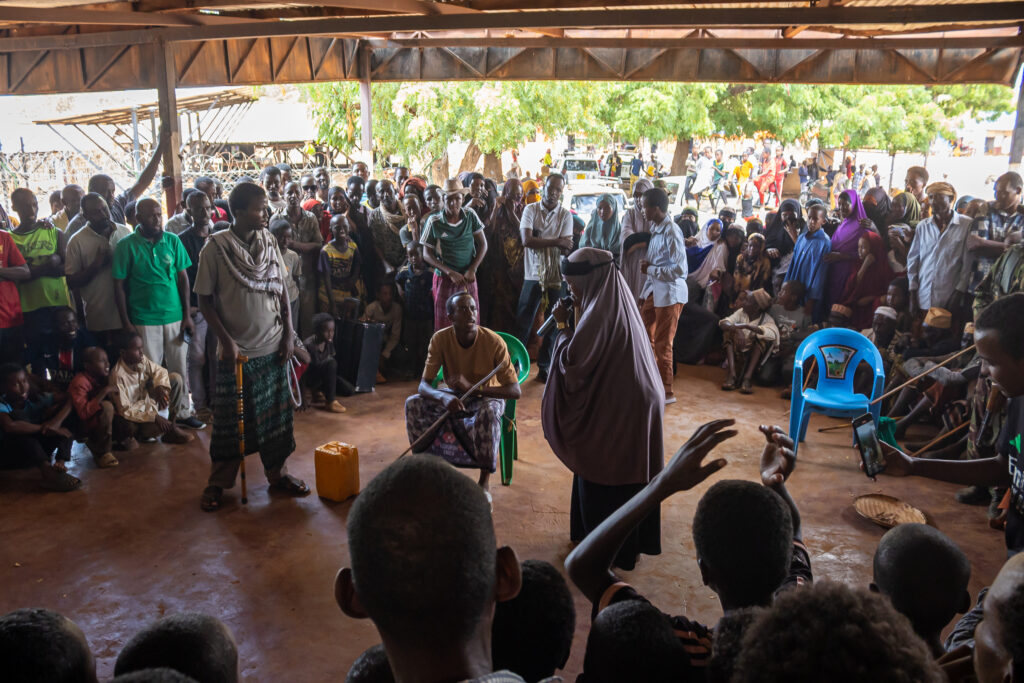
Hassan wanted a new radio to impress his friends. Aisha needed a donkey cart to save her breaking back. In many homes, this argument happens in silence. But today, it happened on a public stage.

The laughter in Wargadud was loud, but the silence that followed was even louder.

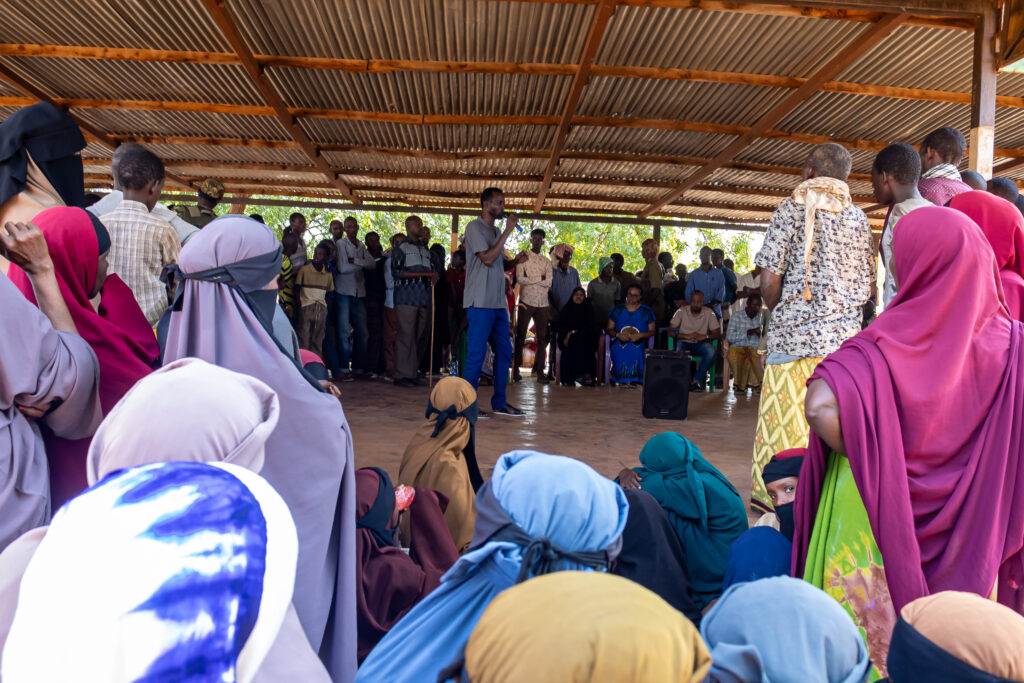
This scene is not unique to Wargadud. From the riverbanks of Tana River to the arid plains of Marsabit, Echo Network Africa Foundation (ENAF) is turning village squares into theaters of change.

A Regional Movement

As the technical lead for Gender Equality and Social Inclusion (GESI) in the Kuza Jamii II consortium, ENAF has launched a massive capacity-building initiative across Isiolo, Garissa, Tana River, Marsabit, and Mandera counties.

ENAF has identified and trained numerous local youth groups in these five counties, equipping them with the “Happy Family Tree” methodology. These groups are now deploying across the region, using their talent to bypass traditional resistance and spark critical conversations about household power dynamics.

In Wargadud, it was the “El Wak Got Talent” group that took the stage. But they are part of a larger army of youth champions trained by ENAF to deliver one unified message: A household divided cannot prosper.

Making the Invisible, Visible

The drama performed in Wargadud visualized a complex reality recognized across all five counties.

  • The Conflict: The audience watched “Aisha” begging for a donkey cart for water, while “Hassan” insisted on buying a kanzu and a radio.
  • The Metaphor: The skit visualized the family as a tree. Aisha carried the heavy “roots” (labor), while Hassan held all the “leaves” (decisions).
  • The Lesson: A tree with heavy roots on one side and leaves on the other cannot stand. It bends. It breaks.

The Community Responds

The impact of this region-wide strategy was evident in the reaction of local leadership in Wargadud. Siad Adan Ibrahim, a community leader, watched the performance and saw a direct link between the drama and his community’s future.

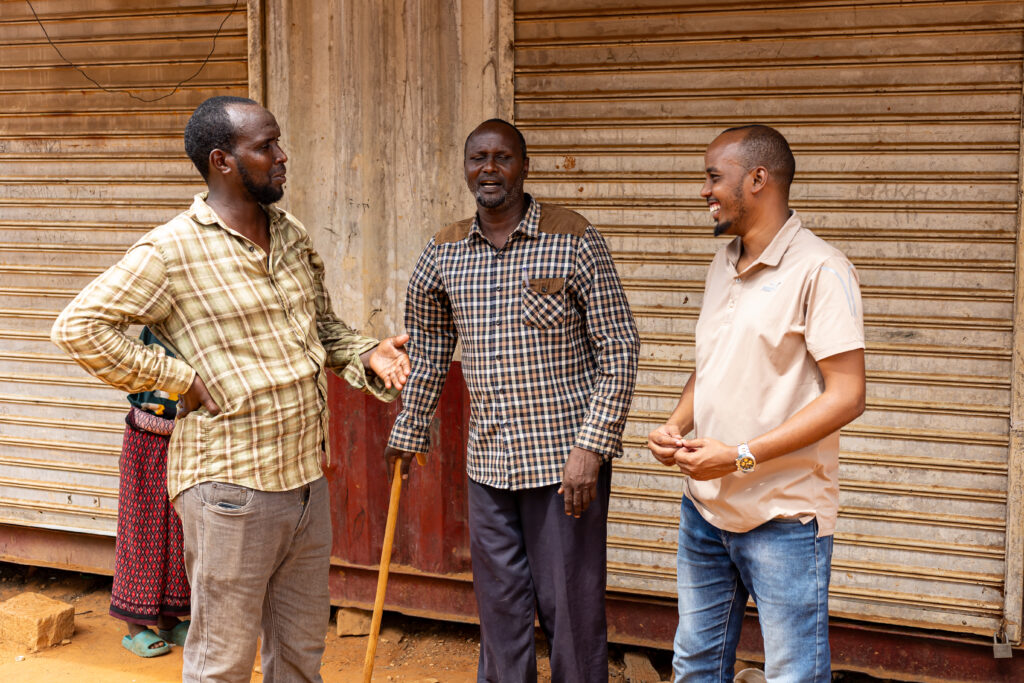
Siad (center) chats with ENAF Mandera County Project Assistant, Abdihakim Golo (right), during the Community Forum.

“We have been educated today,” Siad Adan remarked. “We have understood that how we live with our wives and children matters. If parents are constantly quarreling in the boma (homestead), the children get spoiled and develop bad behaviors.”

He noted that the youth’s performance clarified a critical truth.

“When we cooperate in the boma, we progress,” he added. “The children learn from us. We will change our bad habits and move forward.”

Why This Matters

Economic inclusion programs often stumble when household dynamics remain rigid. If a woman receives a grant but has no say in how to spend it, the investment fails.

By training youth groups to cascade these messages across all five counties, ENAF is inoculating the ASAL region against gender-based barriers. This creates a fertile environment where future economic investments can thrive.

ENAF is proud to drive this innovation within the Kuza Jamii II program, supporting the Government of Kenya’s poverty graduation agenda.

Click to listen highlighted text!