Girls Excel

Beyond the Textbook: How Mobile Labs are Igniting STEM Aspirations

Beyond the Textbook: How Mobile Labs are Igniting STEM Aspirations

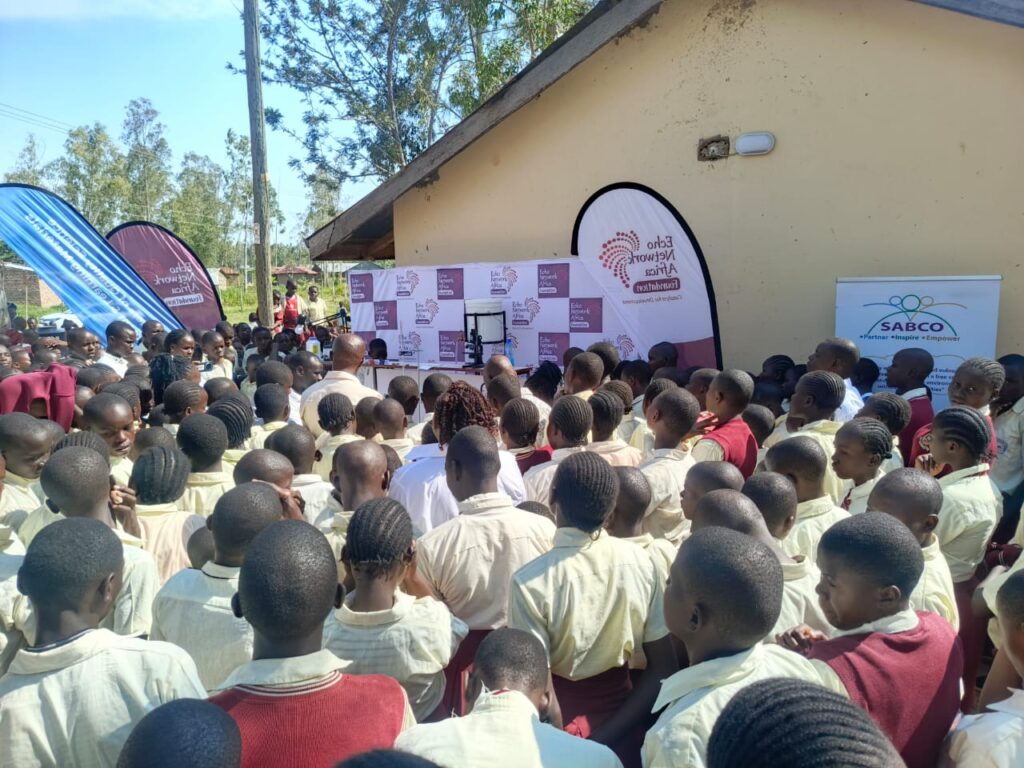
At Echo Network Africa Foundation (ENAF), we believe that a girl’s potential should never be limited by her infrastructure. For many students in rural Kenya, Science was once a theoretical dream. It was a subject taught from textbooks without the tools to bring it to life.

In celebration of the International Day of Women and Girls in Science, we are sharing the findings from our latest impact assessment. While ENAF has already delivered mobile laboratories to 16 schools across 14 counties, our team recently conducted a field visit to beneficiary schools in Murang’a, Makueni, Kilifi, and Tana River to evaluate the transformation firsthand. The evidence is clear:

when you give a girl the tools to experiment, you give her the confidence to lead.

From Improvised Tools to Real Discovery

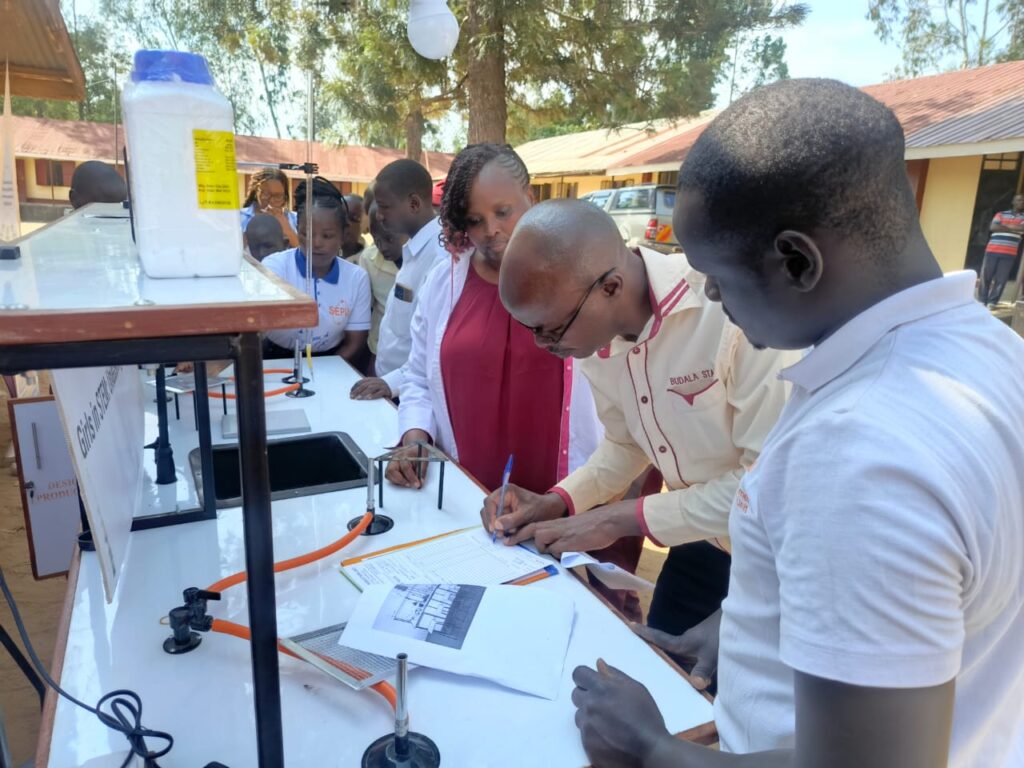
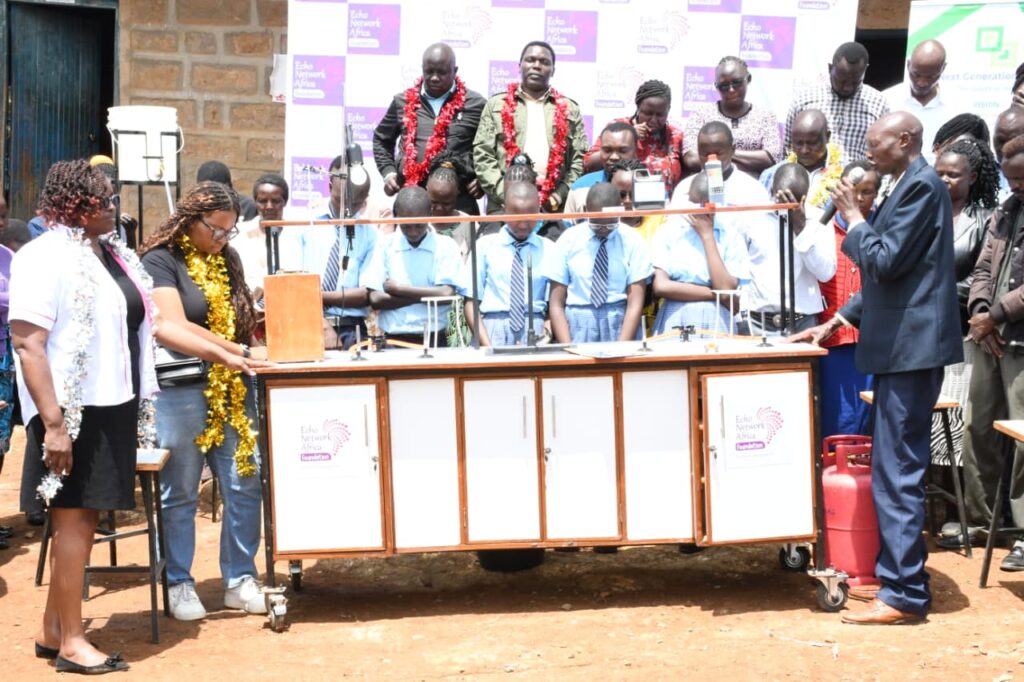
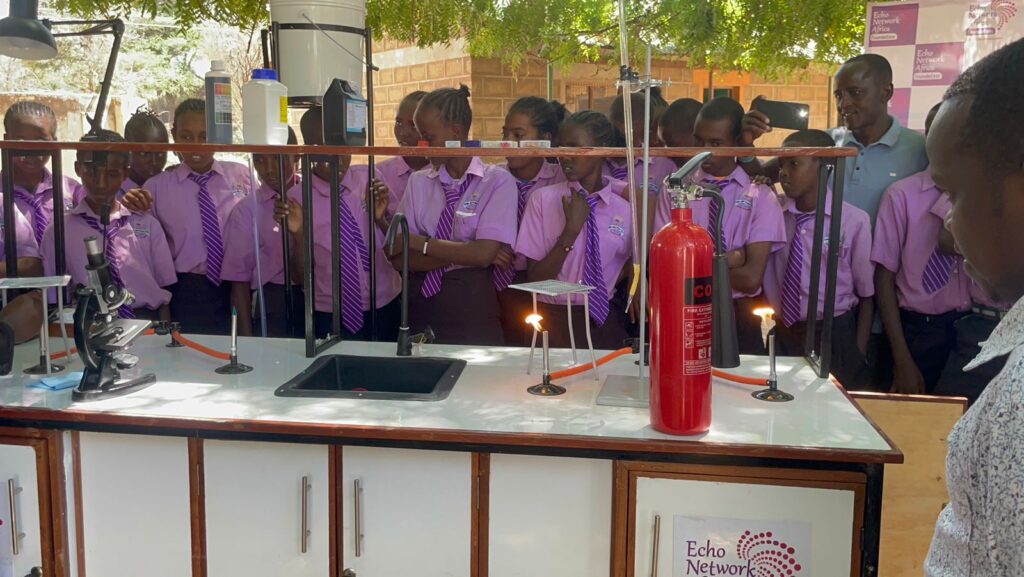
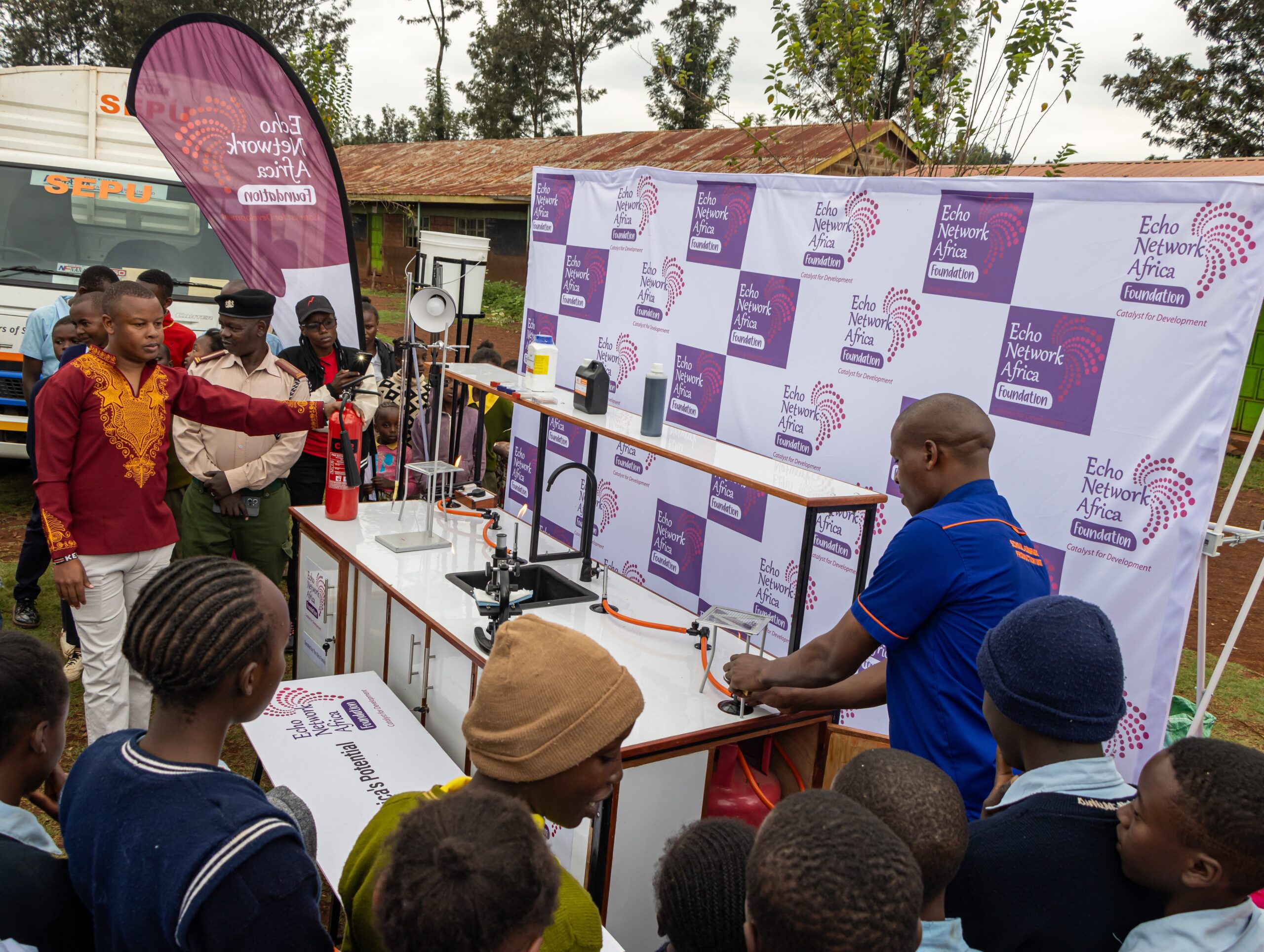
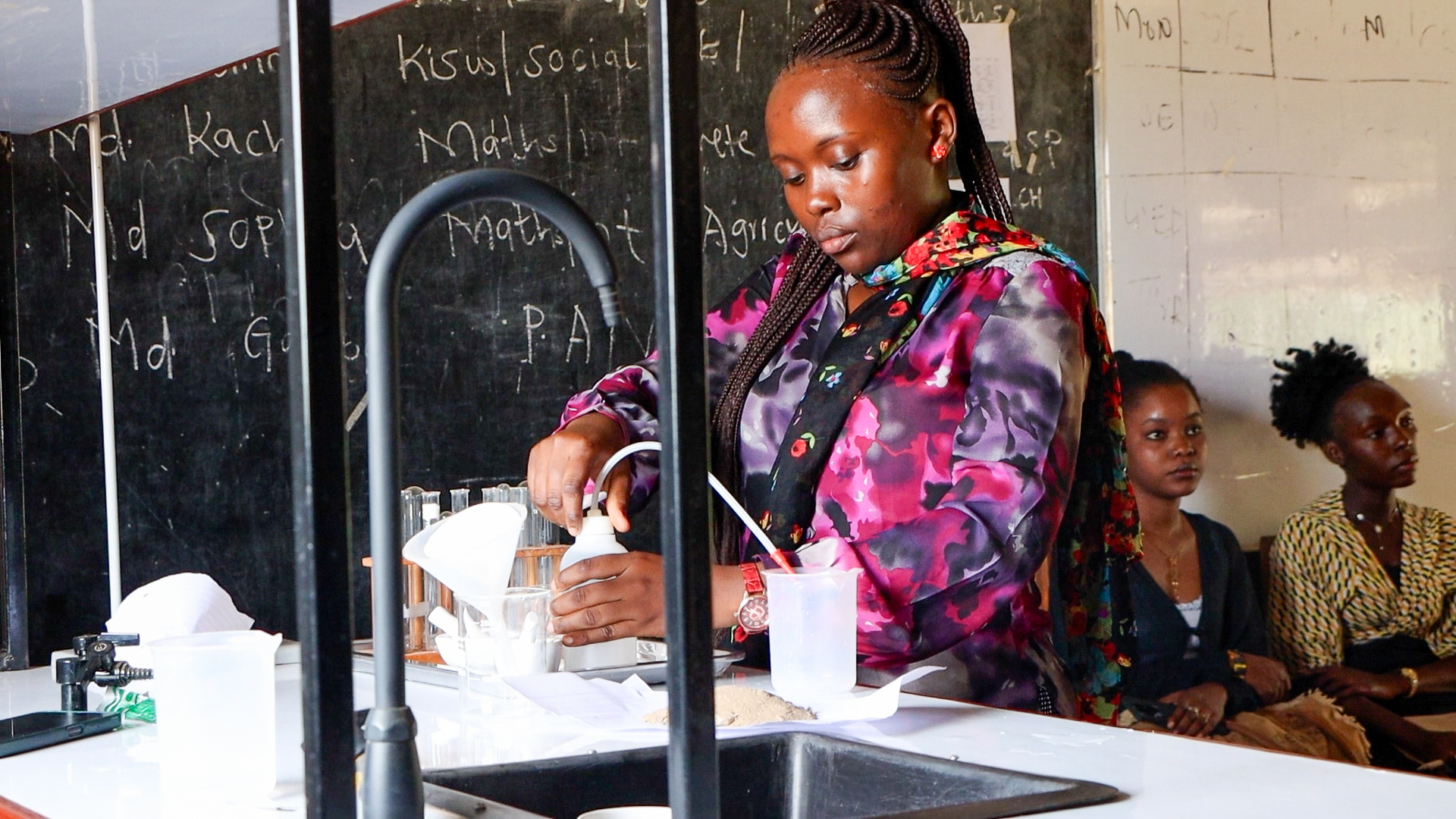
Before the arrival of the ENAF Mobile Science Labs, teachers often had to improvise using locally available materials. In some instances, they were forced to cut plastic water bottles to act as beakers for classroom experiments. Today, that narrative has changed.

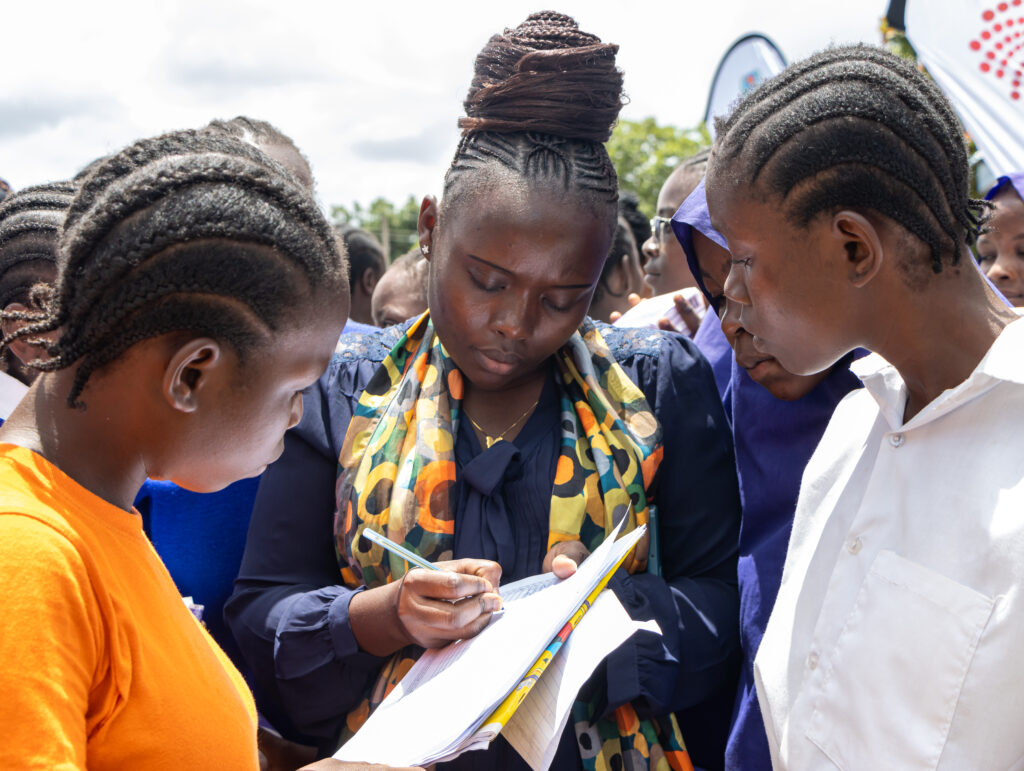
Our latest monitoring visit confirmed that teachers have moved from “dry practicals” to consistent, weekly laboratory sessions. The impact on the learners has been immediate and profound. As one student shared:

It’s made me come to school daily. I can touch these test tubes and the tripod stand live!

Proven Results: A Data-Driven Success

Our commitment to accountability ensures that every intervention is tracked for measurable success. The Field Monitoring and Evaluation Report from our January 2026 visit revealed a significant shift in academic performance and student well-being:

  • Academic Excellence: At Mung’etheele Primary School, top scores in Integrated Science (EE1) rose from zero to four in just one term following the lab’s delivery.
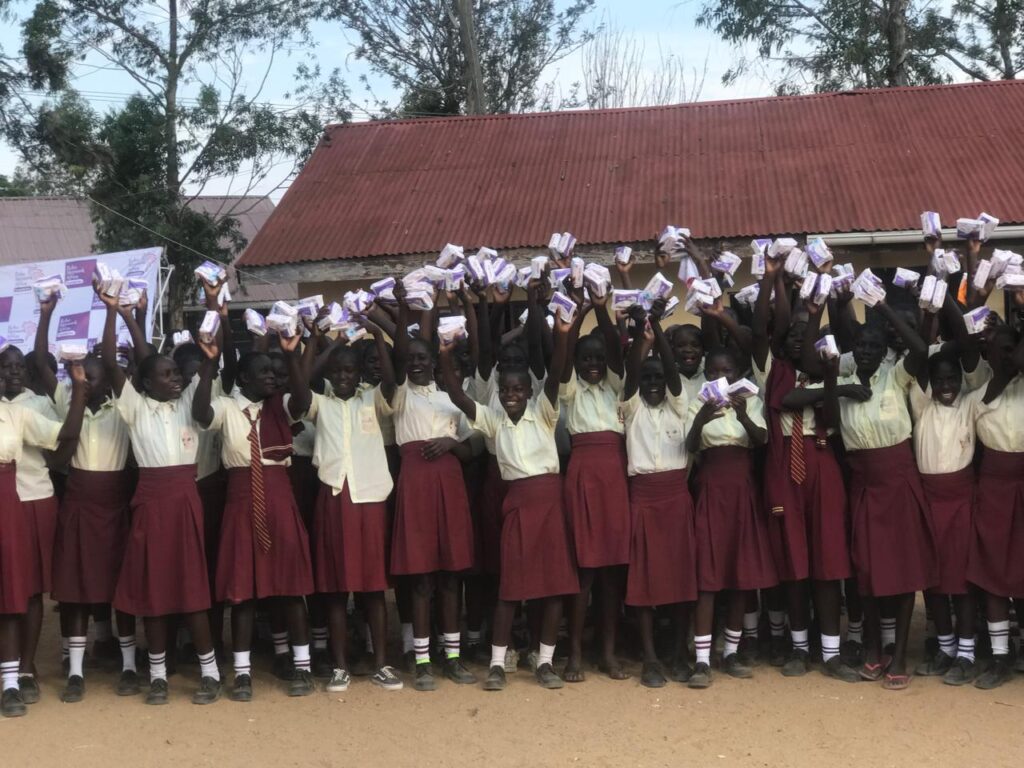
  • Increased Retention: At Tunzanani Primary School, school dropouts fell from three to one in 2025. Teachers attribute this to increased student motivation and the provision of ENAF Dignity Packs, which ensure girls do not miss school during menstruation.
  • Inspiring Careers: We observed a significant shift in career aspirations. Students who previously aspired to teach English are now choosing STEM pathways with the goal of becoming doctors and integrated science teachers.
  • Inclusive Learning: The report verified that learners with disabilities (PWDs) have particularly benefited from the engaging, hands-on nature of the mobile laboratories.

A Hub for Regional Innovation

The impact of these laboratories extends beyond the individual beneficiary schools. Neighbouring institutions have begun requesting permission to use the facilities, effectively turning these schools into regional hubs for practical STEM learning. The monitoring visit verified that the laboratories remain in excellent condition and are handled with immense pride by the local communities.

Join the STEM Revolution

While we celebrate these milestones, our journey is just beginning. Success is proven and the impact is visible. However, thousands of girls across the country still lack access to the tools they need to lead the scientific revolutions of tomorrow.

Our mobile laboratories have already transformed STEM learning in 16 schools across 14 counties, but we need more support to scale this impact across the entire country. Help us ensure that every girl in Kenya has the opportunity to engage in STEM and touch her own future.

Watch the full documentary below to see the impact in action:
Girls Excel News Stories

Equipping Kenya’s Future Leaders: ENAF Delivers Hands-On Science Labs to 14 Schools Across 12 Counties

Equipping Kenya’s Future Leaders: ENAF Delivers Hands-On Science Labs to 14 Schools Across 12 Counties

Echo Network Africa Foundation (ENAF) has completed the first phase of its Mobile Science Laboratory initiative, reaching 14 schools in 12 counties and providing over 1,200 students with hands-on access to science. Alongside labs, more than 4,450 dignity kits were distributed to ensure that girls stay in class and can fully benefit from STEM education.

A Journey of Impact:
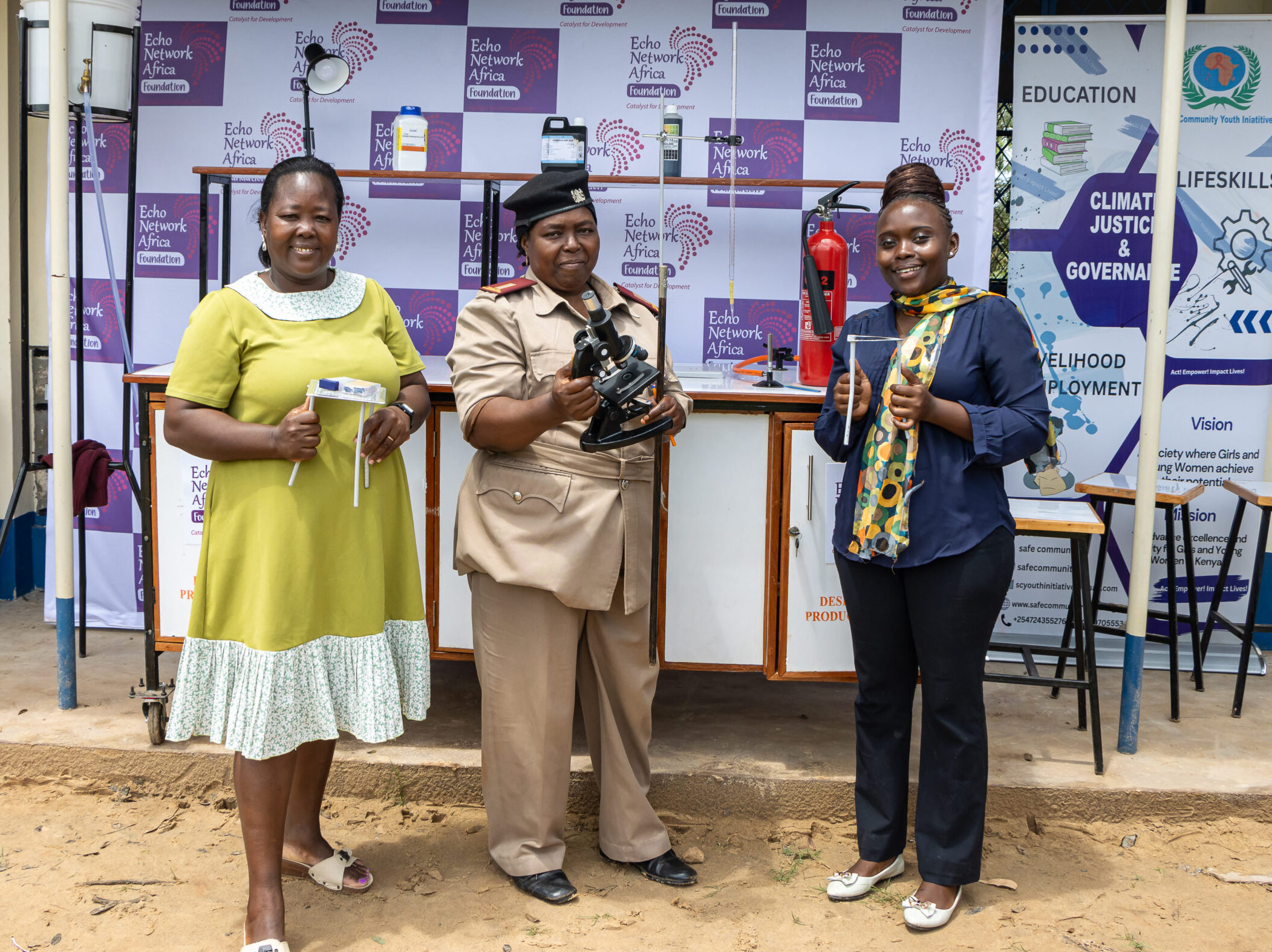
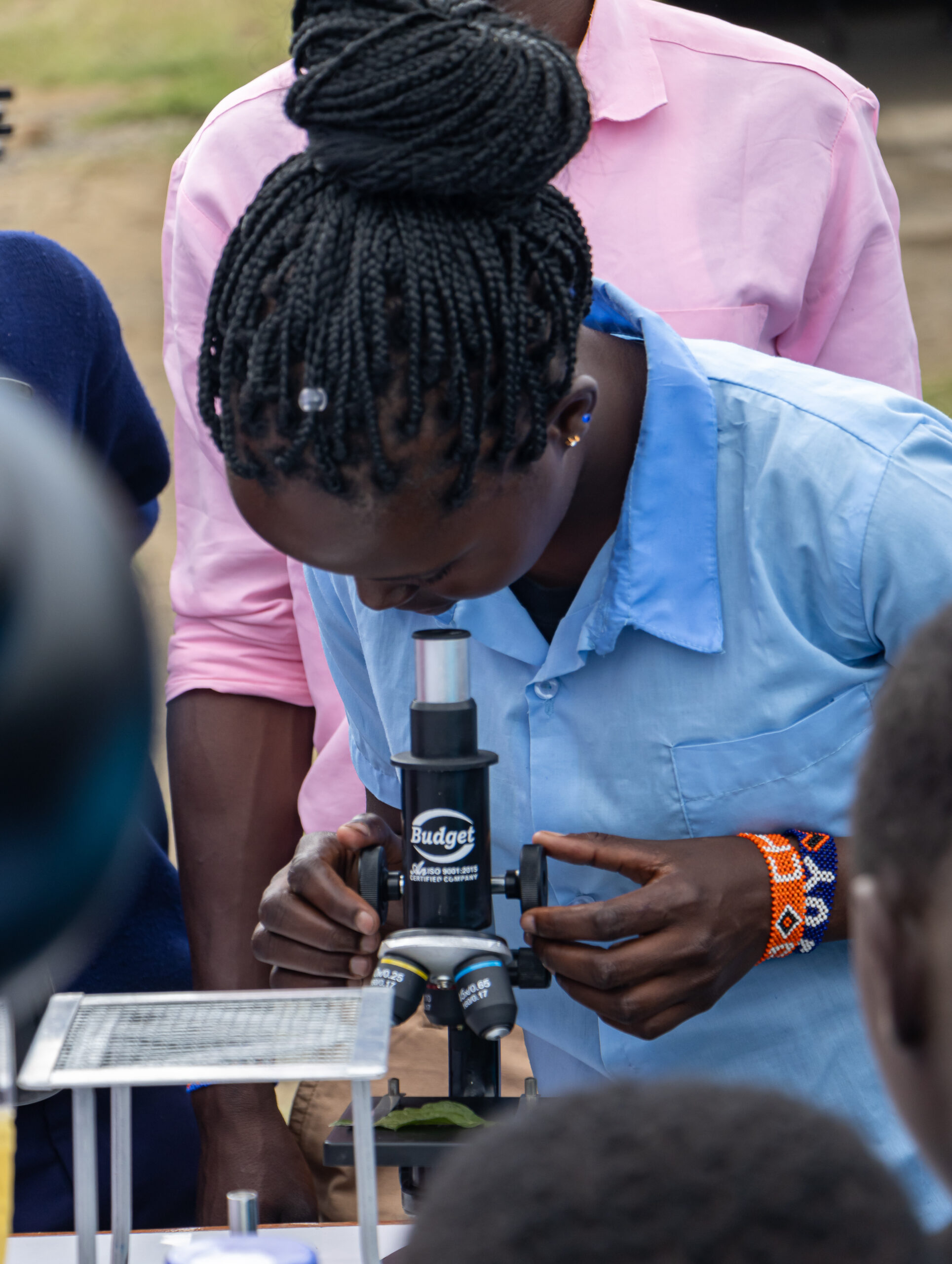
From Murang’a to Meru, schools that previously improvised science lessons or lacked access to labs now have fully equipped Mobile Laboratories. Students can use microscopes, burners, and burettes, and learn to safely handle experiments with tools such as waste water jerrycans, while girls receive dignity kits to remain confident and engaged in school.

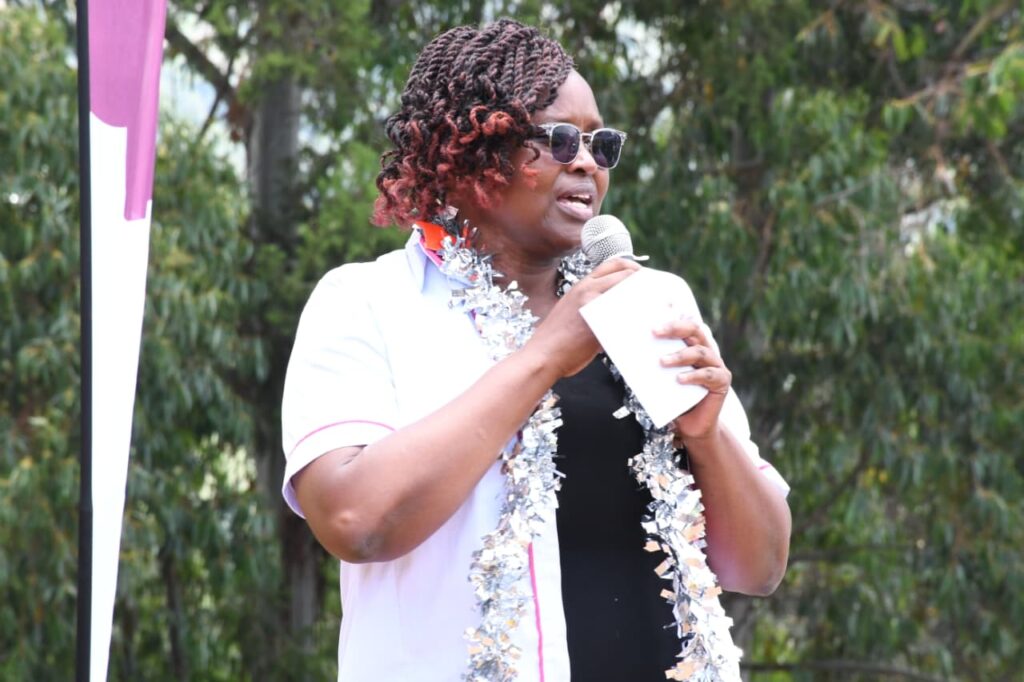
At Gangara Primary School, the 14th school to benefit, Dr. Jennifer Riria, ENAF’s President & CEO, personally led the donation. She highlighted the urgency of enabling children to interact with STEM equipment early in their education, stating, “One must go to the moon or else it is “kazi nothing”. Girls should have as much opportunity as boys to explore science. You must do sciences, otherwise you will be left behind.”

Reaching Every Child:
Phase 1 covered 12 counties and 14 schools:

Murang’a County

  • Saba Saba Primary
  • Thirikwa Primary

Makueni

  • Mung’etheele Primary

Kilifi

  • Tunzanani Primary

Tana River

  • Kipini Primary

Narok

  • Olgilai Primary
  • Victory County Primary

Migori

  • Anjego Primary

Busia

  • Budala Primary

Mt. Elgon – Bungoma

  • Kapsika PEFA Primary

Elgeyo Marakwet

  • Kiptabach Primary

Samburu

  • Wamba CCM Primary

Marsabit

  • Ngurunit Primary

Meru

  • Gangara Primary

Partnership and Future Opportunities:
Phase 1 demonstrates the power of collaboration. From national partners like the School Equipment Production Unit, to local community organizations, families, and individual donors, every contribution has helped bring Mobile Laboratories and dignity kits to over 1,200 students. ENAF now calls on more partners, individuals, and communities to join the next phase, targeting 98 schools, so that every child has the opportunity to explore STEM, innovate, and succeed.

Education cannot wait. The future leaders of Kenya are already in these classrooms today.

Girls Excel News Stories

When Jerrycans Become Drums and Labs: Kipini Learners Find Their Rhythm

When Jerrycans Become Drums and Labs: Kipini Learners Find Their Rhythm 

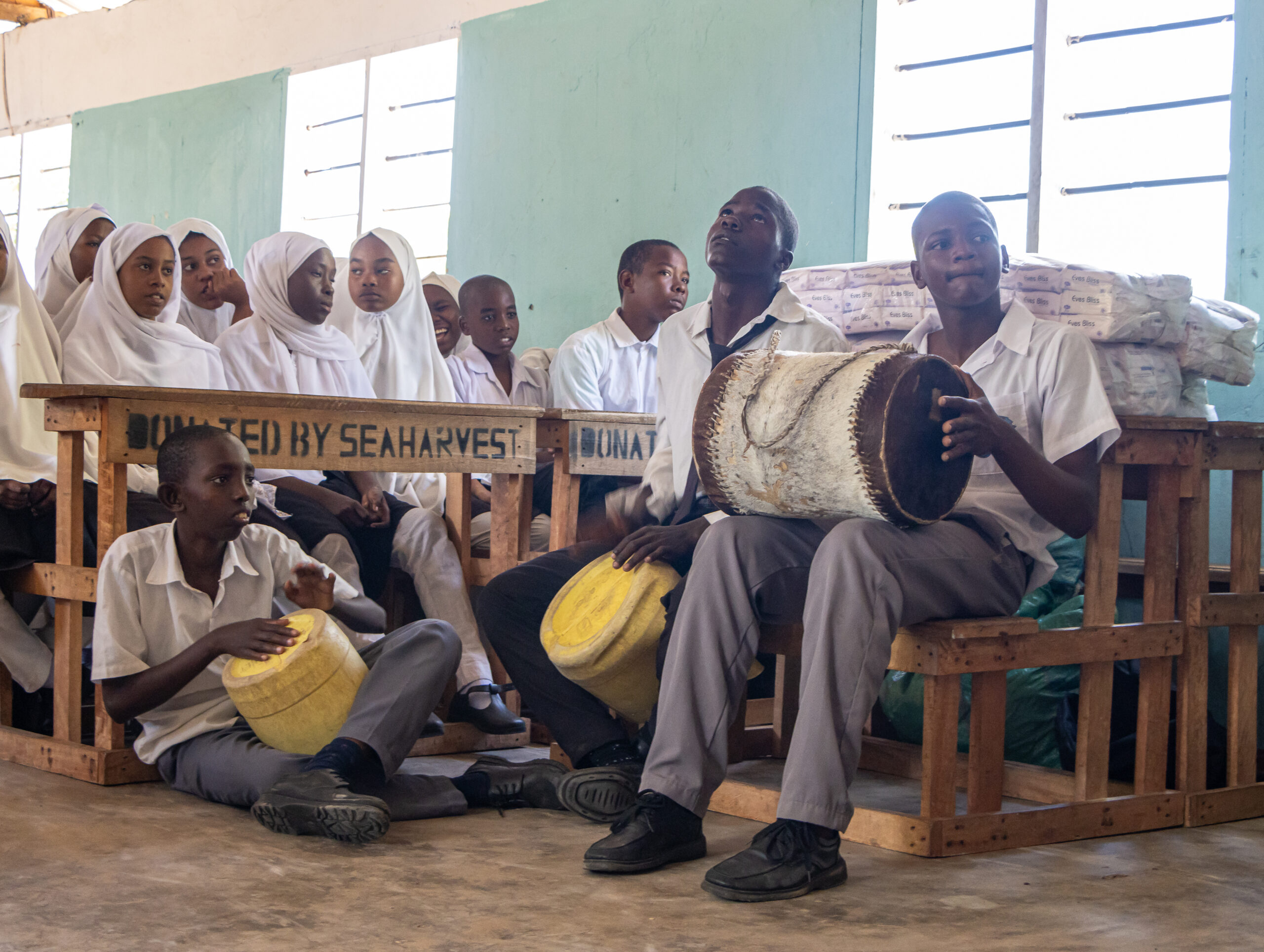
At Kipini Primary School, three boys drummed joyfully as other children sang to celebrate a historic day, the arrival of a science lab at their school. Only one had a real drum while the other two used jerrycans turned into instruments. Their music was more than celebration. It was a powerful picture of how learners have had to improvise in creative arts and in science, often making do with what is available. That reality changed as Echo Network Africa Foundation, in partnership with the School Equipment Production Unit, unveiled the very first Mobile Science Lab in Tana River County. 

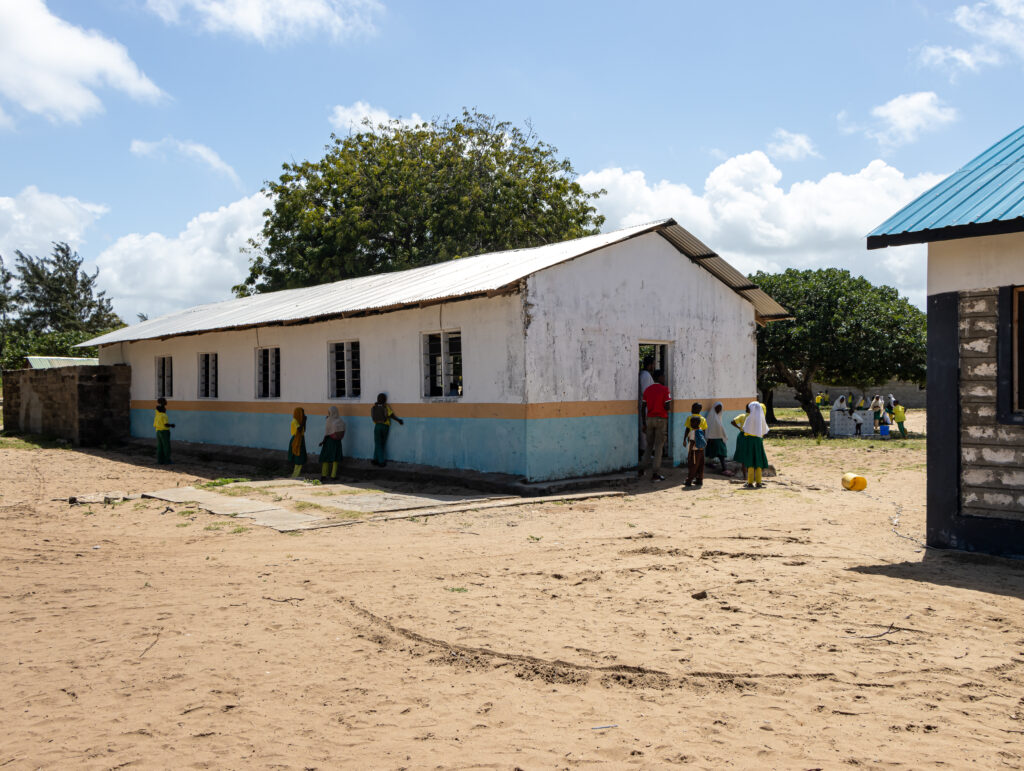
Younger learners peer curiously into the hall as Junior Secondary students receive their first Mobile Science Lab – a glimpse of the future they too will soon experience

A Lab Rooted in Practical Learning 

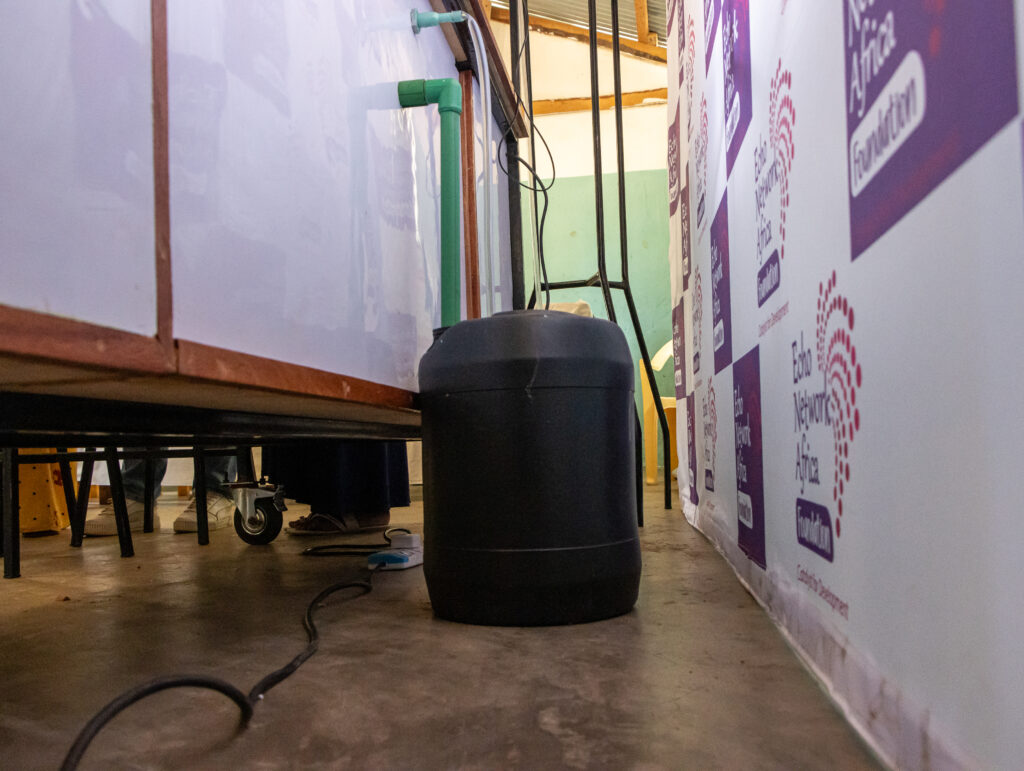
The new lab allows Junior Secondary School students to learn science practically, with microscopes, beakers, and burners replacing theory-only lessons. Importantly, it comes with a jerrycan to safely collect waste water from experiments. This stood in clear contrast to the jerrycans the boys used as drums. One made music for creative arts while the other makes science safer and more engaging. Together, they symbolise how education can flourish when learners have the right tools. Alongside the lab, dignity kits were also provided to girls, enabling them to stay in class with confidence. 

The Mobile Science Lab includes a jerrycan to safely collect wastewater from experiments, ensuring that practical lessons are not only engaging but also safe for learners and the environment.

Partnerships Beyond Science 

The celebrations also reminded the community that education cannot thrive on equipment alone. Kassim Mohamed, a doctor from Kipini Health Centre, stressed the need for first aid training, since injuries are common during daily school activities. Community leaders raised concerns about early and forced marriages, which continue to hold children back from their studies. The local chief described the lab as an anchor to keep children in school and urged for stronger partnerships to secure the future of learners. 

A Call for Wider Collaboration 

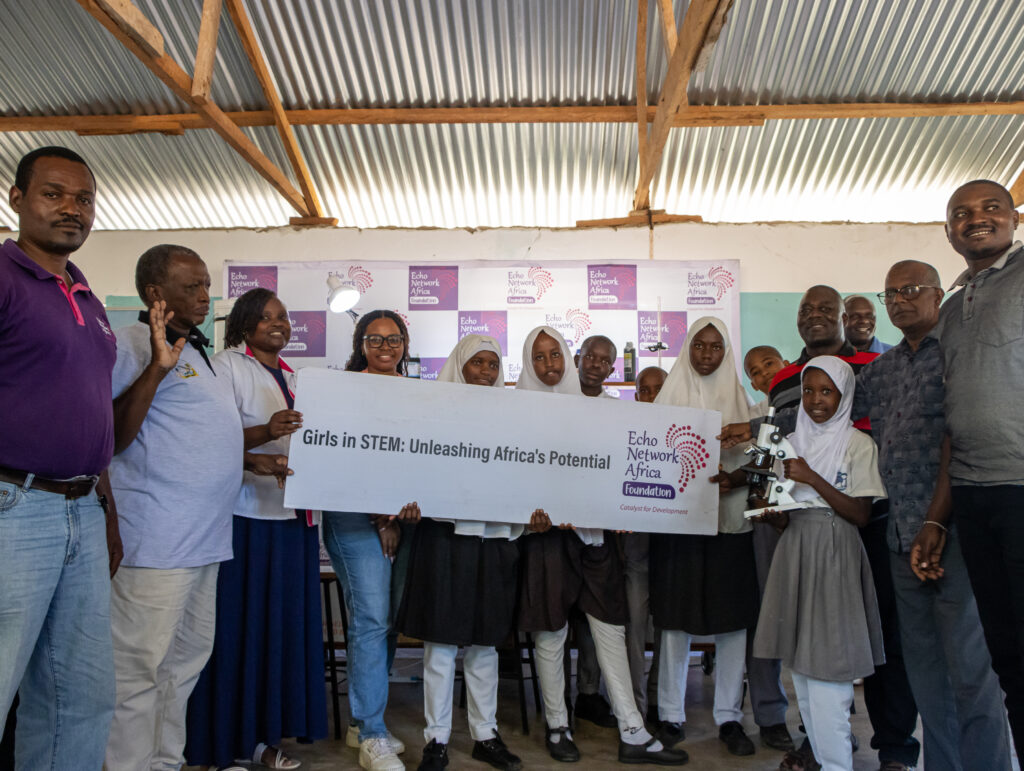
Echo Network Africa Foundation, together with local partner Kipini Integrated Community Enterprises (KICE), officially handed over the Mobile Science Lab to Kipini Primary School

Kipini’s story shows that every part of learning, from science to health to creative arts to safeguarding children’s rights, requires partnerships. Just as the boys’ music and the lab’s experiments both relied on jerrycans in different ways, every discipline relies on the right support to thrive. Echo Network Africa Foundation now calls for more collaboration to extend this impact to other schools across Kenya. No child should be left without the tools to learn, dream, and succeed. 

Girls Excel News Stories

Women Leading Change: Mobile Science Lab Handed Over to Tunzanani Primary School 

Women Leading Change: Mobile Science Lab Handed Over to Tunzanani Primary School

Echo Network Africa Foundation (ENAF), together with partners, has handed over its fourth Mobile Science Laboratory under the Girls Excel Initiative. The latest beneficiary is Tunzanani Primary School in Kilifi South. 

The school was selected because of its lack of a permanent laboratory and its potential to serve as a hub where neighboring schools can also benefit from the facility. At the handover, girls witnessed a powerful moment with the headteacher, the senior assistant chief, and the Junior Secondary School science teacher, all of them women, leading the event and inspiring the next generation. 

Breaking New Ground in Leadership 

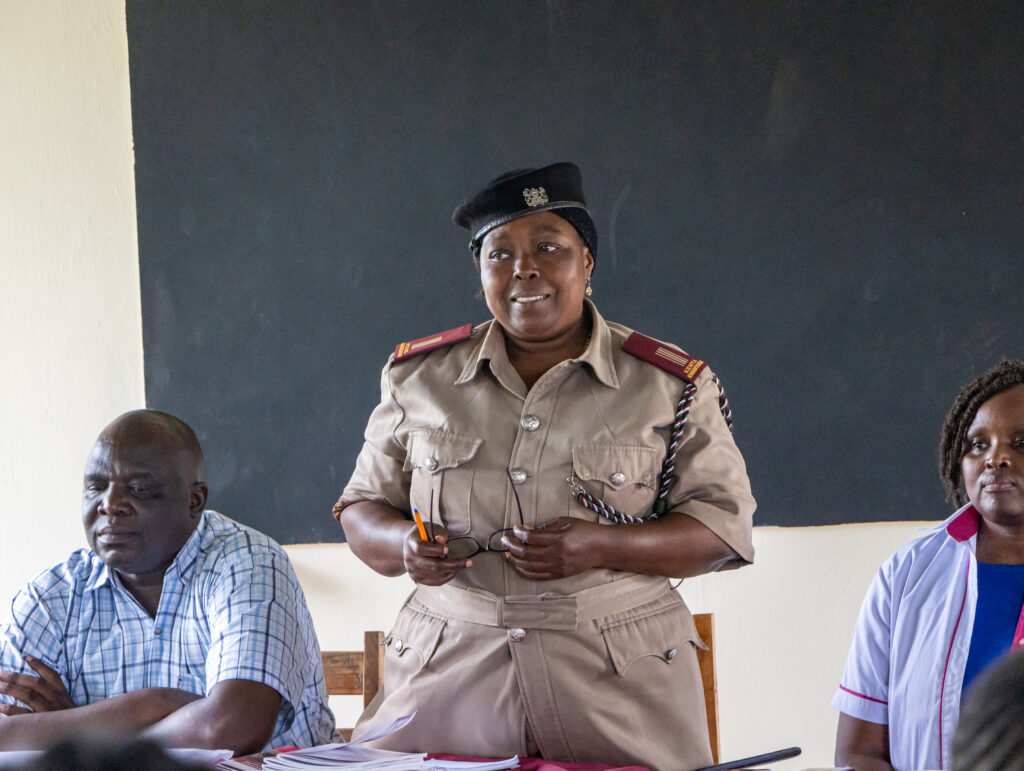
For Headteacher Doris Jeza, the laboratory donation was a milestone both for the school and for her personal journey. As the first female headteacher since the school was founded in 1983, she spoke of the challenges that poverty, drugs and lack of awareness among parents have posed to children’s education. 

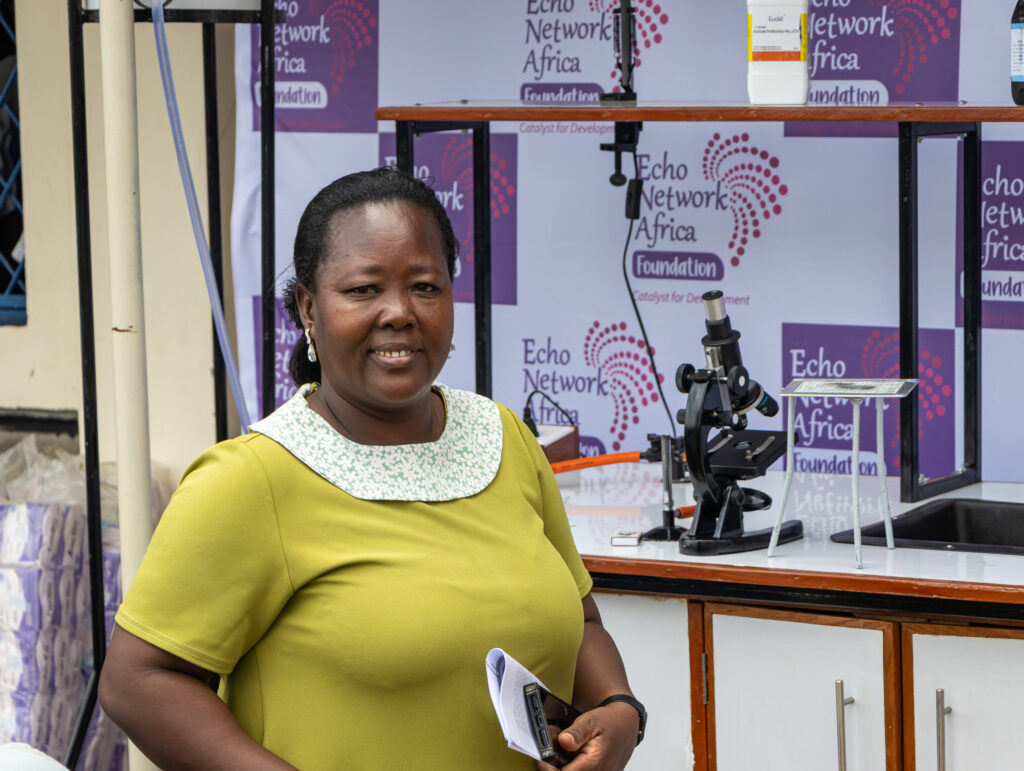
Tunzanani Primary School Headteacher, Ms Doris Jeza at the Handover

“We have had no laboratory for years, forcing teachers to only demonstrate concepts in class. This mobile lab means our children can finally learn practically. A child is not just a child of Tunzanani but of the whole of Kenya.” 

Shifting Cultural Norms 

Also present was Halima Hammad, Senior Assistant Chief of Kidutani Mawamba Sub location in Mtwapa. She reflected on how community attitudes toward girls’ education have shifted. 

Senior Assistant Chief, Halima Hammad, addresses learners

“Before COVID, very few girls were in school because of culture. Today, they are empowered and even leading in academics. Our girls are proving every day that they are just as capable as boys.” 

Mentorship in the Classroom 

The role of mentorship came to life through Caroline Kache Kitsao, the Junior Secondary School Science Teacher. Having grown up in Kilifi and worked hard to pursue her Bachelor of Science in Education, she understands firsthand the barriers girls face. 

“It is not easy, but if you know what you want in life and go for it, you will succeed.” 

Science Teacher, Caroline Kache, interacts with her students

Caroline makes mentorship part of her teaching:

“Out of a 40 minute class, I take 30 minutes to teach and 10 minutes to encourage them. They are very free with me as a female teacher, and they can see what is possible through my own story.” 

Equipping Girls to Excel 

In addition to the laboratory, ENAF distributed dignity kits to the girls of Tunzanani, helping them remain in school consistently. For many, such support is as critical as the learning resources themselves. 

The initiative, spearheaded by ENAF and implemented in partnership with the School Equipment Production Unit (SEPU) and community partners such as the Safe Community Centre, continues to break barriers to STEM education. ENAF noted that to reach more underserved schools across Kenya, additional partners are needed. By joining forces with government agencies, private sector actors, NGOs, and local communities, more girls can be empowered to pursue education and leadership opportunities in STEM. 

The Girls Excel Initiative will continue rolling out mobile labs to more schools in the coming months, affirming that when women lead and mentor, and when communities partner for change, entire regions rise. 

Girls Excel News Stories

Breaking Barriers to STEM: Partnerships Power Mobile Science Labs in Murang’a

Saba Saba Primary and Junior School and Thirikwa Primary School in Murang’a South have become the first beneficiaries of Mobile Science Laboratories under the Girls Excel Initiative. The program, spearheaded by Echo Network Africa Foundation (ENAF), seeks to break systemic barriers to girls’ access to quality STEM education by distributing mobile laboratories to 13 schools nationwide.