When the Tree Bends: How ‘El Wak Got Talent’ Used Art to Heal Households
Wargadud, Mandera County
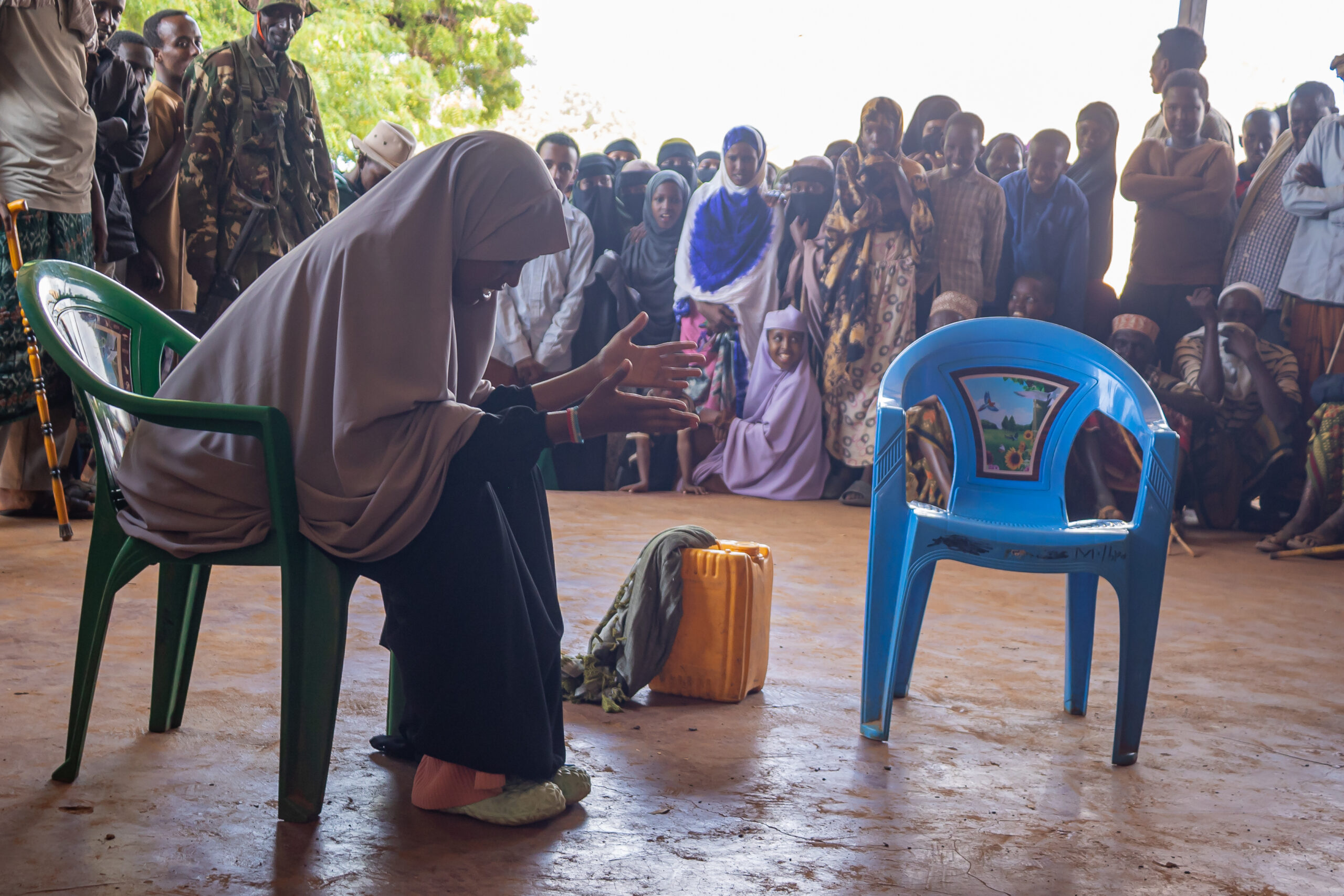
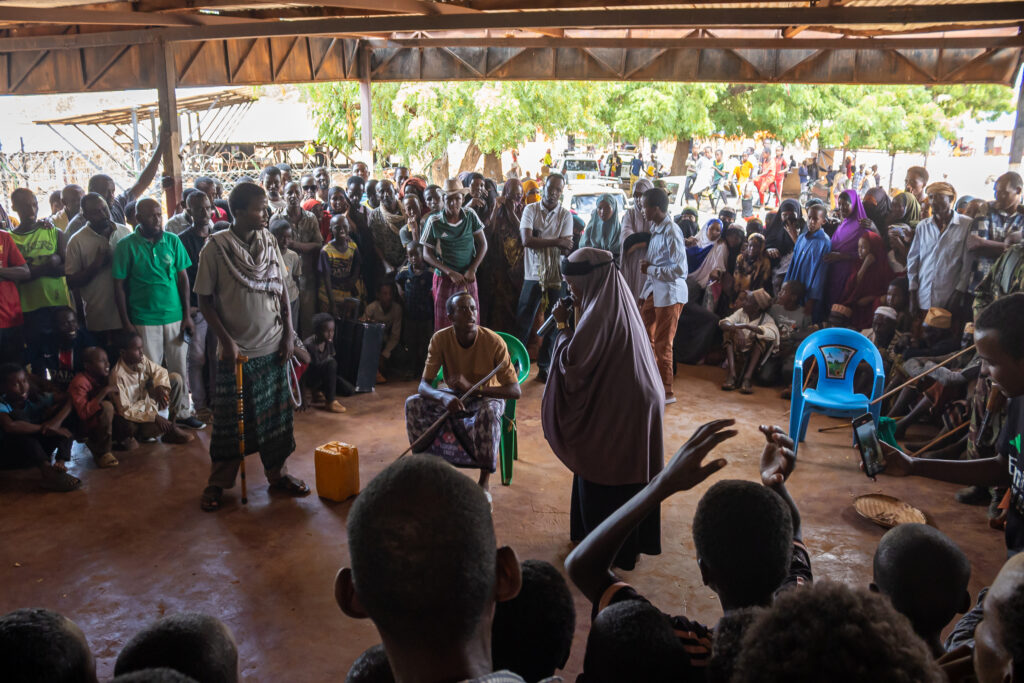
Hassan wanted a new radio to impress his friends. Aisha needed a donkey cart to save her breaking back. In many homes, this argument happens in silence. But today, it happened on a public stage.
The laughter in Wargadud was loud, but the silence that followed was even louder.
This scene is not unique to Wargadud. From the riverbanks of Tana River to the arid plains of Marsabit, Echo Network Africa Foundation (ENAF) is turning village squares into theaters of change.
A Regional Movement
As the technical lead for Gender Equality and Social Inclusion (GESI) in the Kuza Jamii II consortium, ENAF has launched a massive capacity-building initiative across Isiolo, Garissa, Tana River, Marsabit, and Mandera counties.
ENAF has identified and trained numerous local youth groups in these five counties, equipping them with the “Happy Family Tree” methodology. These groups are now deploying across the region, using their talent to bypass traditional resistance and spark critical conversations about household power dynamics.
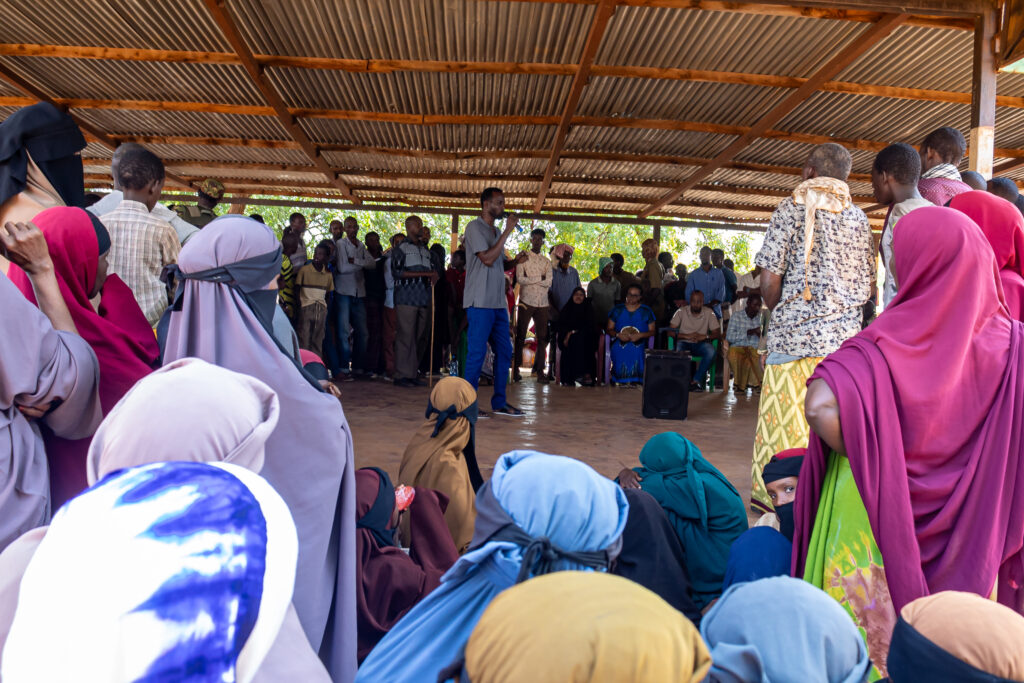
In Wargadud, it was the “El Wak Got Talent” group that took the stage. But they are part of a larger army of youth champions trained by ENAF to deliver one unified message: A household divided cannot prosper.
Making the Invisible, Visible
The drama performed in Wargadud visualized a complex reality recognized across all five counties.
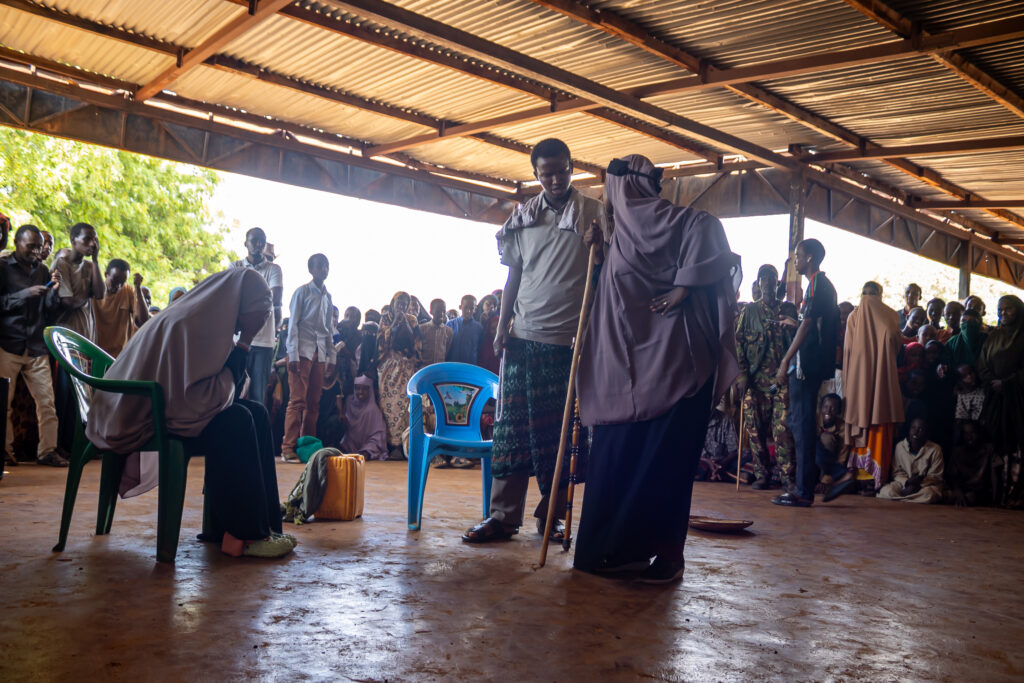
- The Conflict: The audience watched “Aisha” begging for a donkey cart for water, while “Hassan” insisted on buying a kanzu and a radio.
- The Metaphor: The skit visualized the family as a tree. Aisha carried the heavy “roots” (labor), while Hassan held all the “leaves” (decisions).
- The Lesson: A tree with heavy roots on one side and leaves on the other cannot stand. It bends. It breaks.
The Community Responds
The impact of this region-wide strategy was evident in the reaction of local leadership in Wargadud. Siad Adan Ibrahim, a community leader, watched the performance and saw a direct link between the drama and his community’s future.
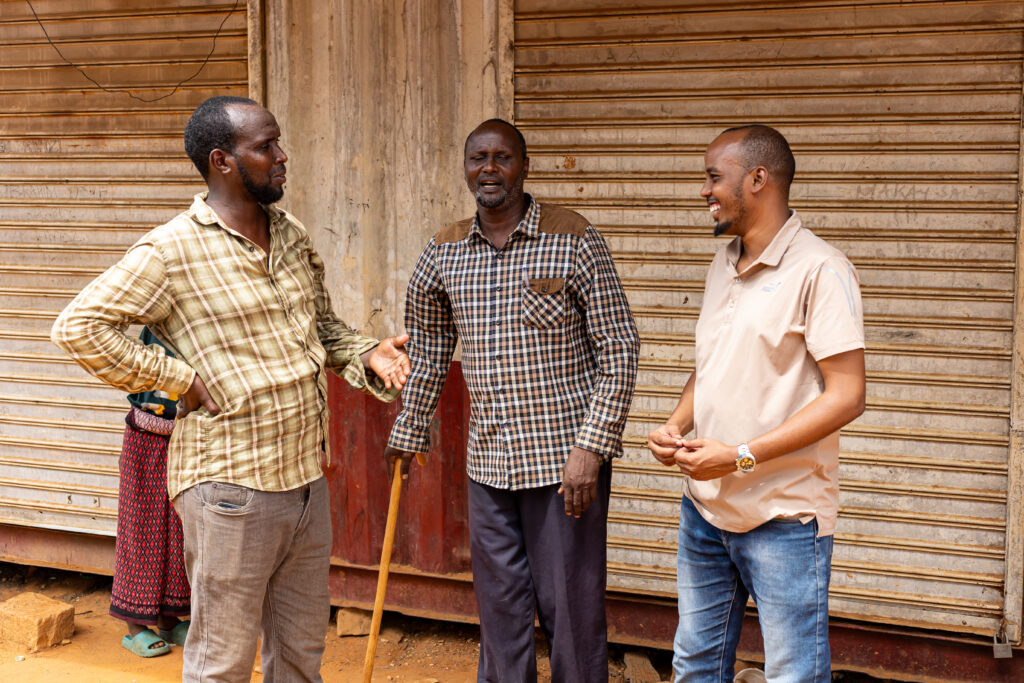
“We have been educated today,” Siad Adan remarked. “We have understood that how we live with our wives and children matters. If parents are constantly quarreling in the boma (homestead), the children get spoiled and develop bad behaviors.”
He noted that the youth’s performance clarified a critical truth.
“When we cooperate in the boma, we progress,” he added. “The children learn from us. We will change our bad habits and move forward.”
Why This Matters
Economic inclusion programs often stumble when household dynamics remain rigid. If a woman receives a grant but has no say in how to spend it, the investment fails.
By training youth groups to cascade these messages across all five counties, ENAF is inoculating the ASAL region against gender-based barriers. This creates a fertile environment where future economic investments can thrive.
ENAF is proud to drive this innovation within the Kuza Jamii II program, supporting the Government of Kenya’s poverty graduation agenda.