Kuza Jamii

When the Tree Bends: How ‘El Wak Got Talent’ Used Art to Heal Households

When the Tree Bends: How ‘El Wak Got Talent’ Used Art to Heal Households

Wargadud, Mandera County

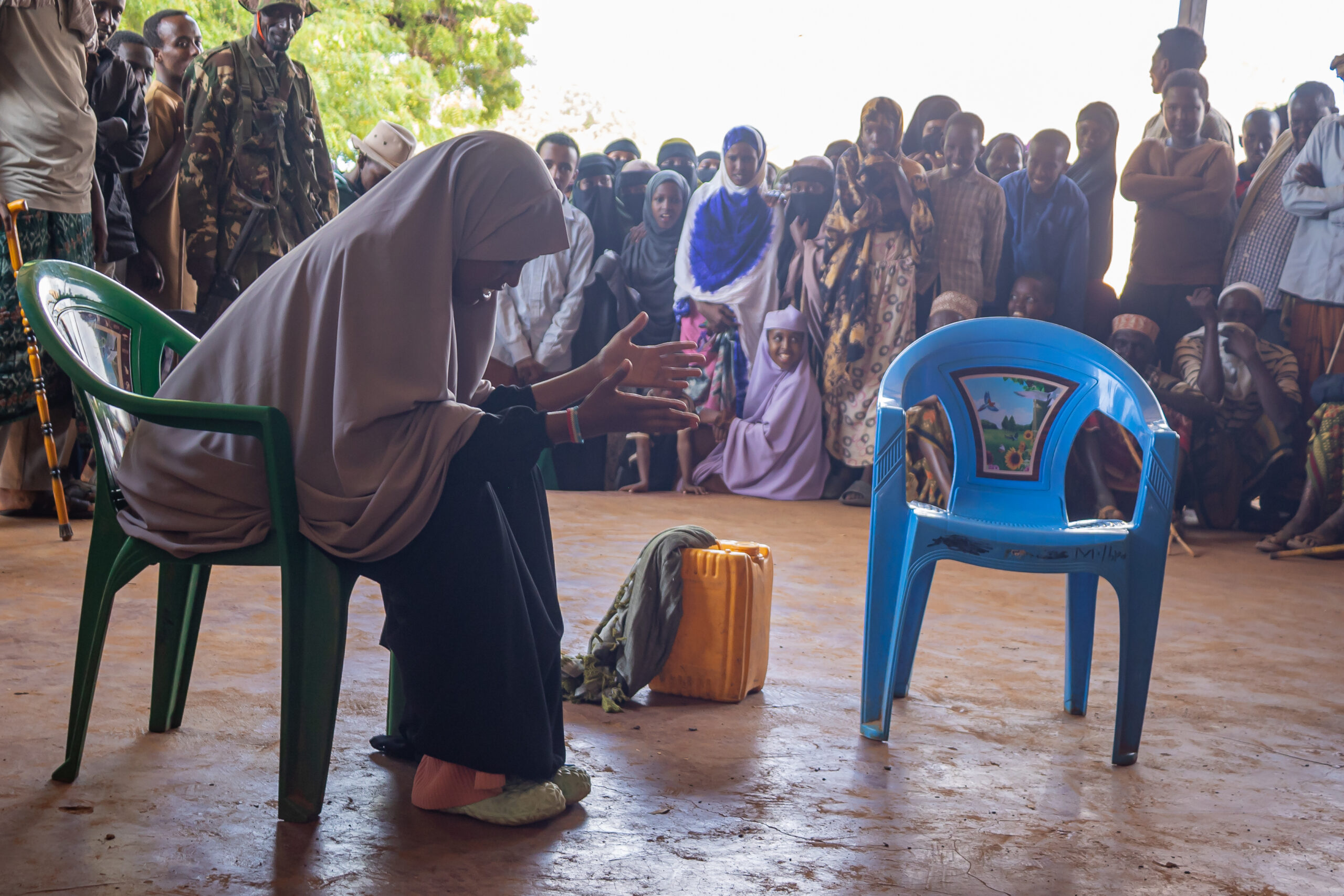
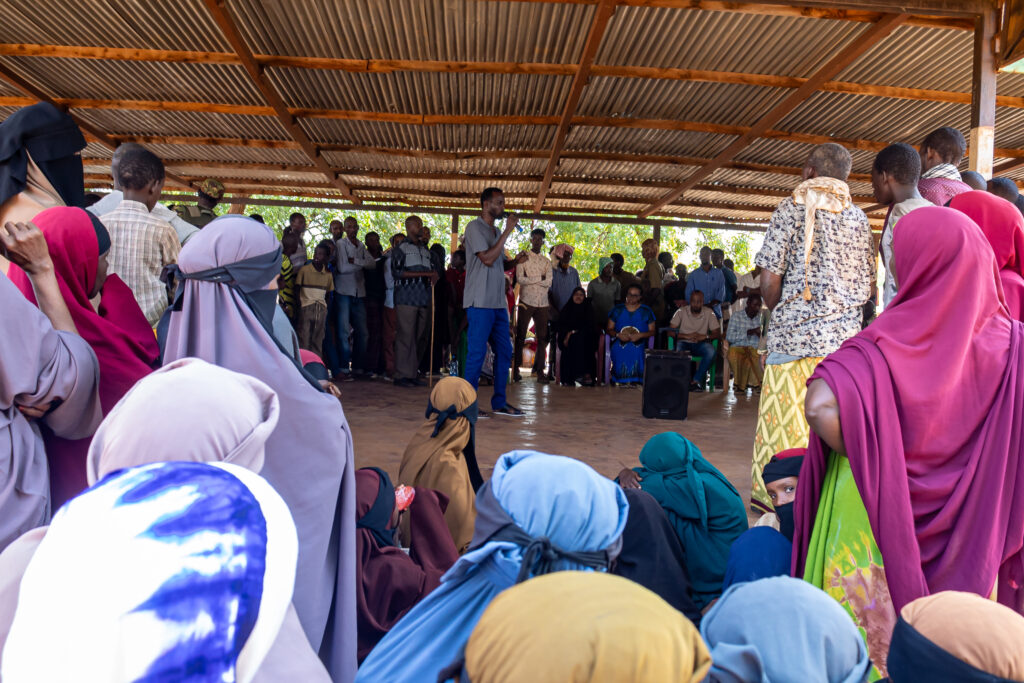
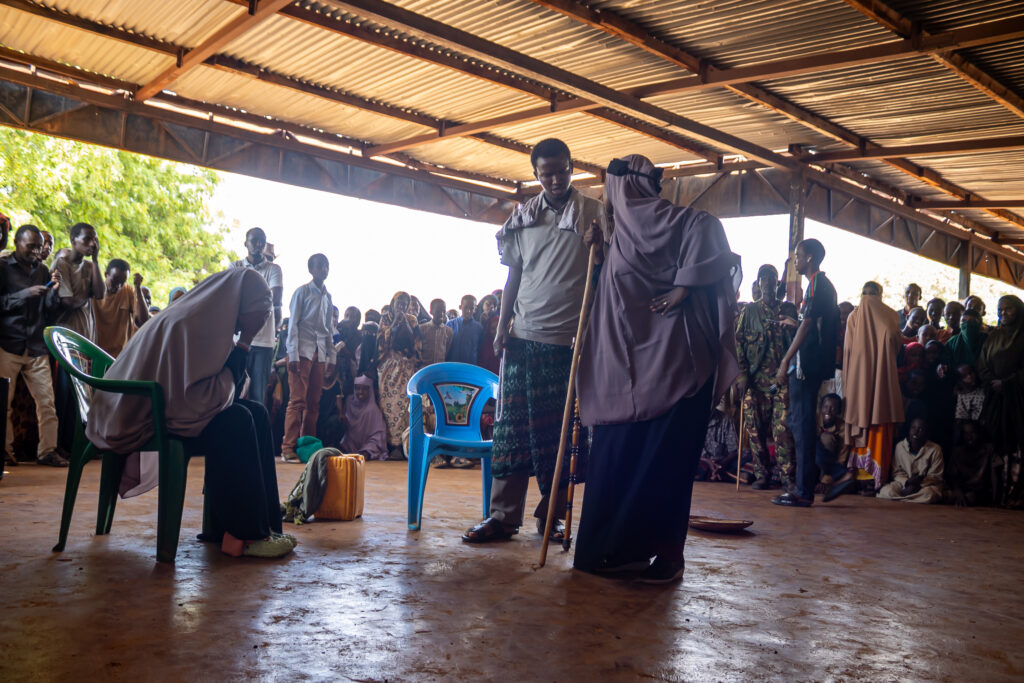
Hassan wanted a new radio to impress his friends. Aisha needed a donkey cart to save her breaking back. In many homes, this argument happens in silence. But today, it happened on a public stage.

The laughter in Wargadud was loud, but the silence that followed was even louder.

This scene is not unique to Wargadud. From the riverbanks of Tana River to the arid plains of Marsabit, Echo Network Africa Foundation (ENAF) is turning village squares into theaters of change.

A Regional Movement

As the technical lead for Gender Equality and Social Inclusion (GESI) in the Kuza Jamii II consortium, ENAF has launched a massive capacity-building initiative across Isiolo, Garissa, Tana River, Marsabit, and Mandera counties.

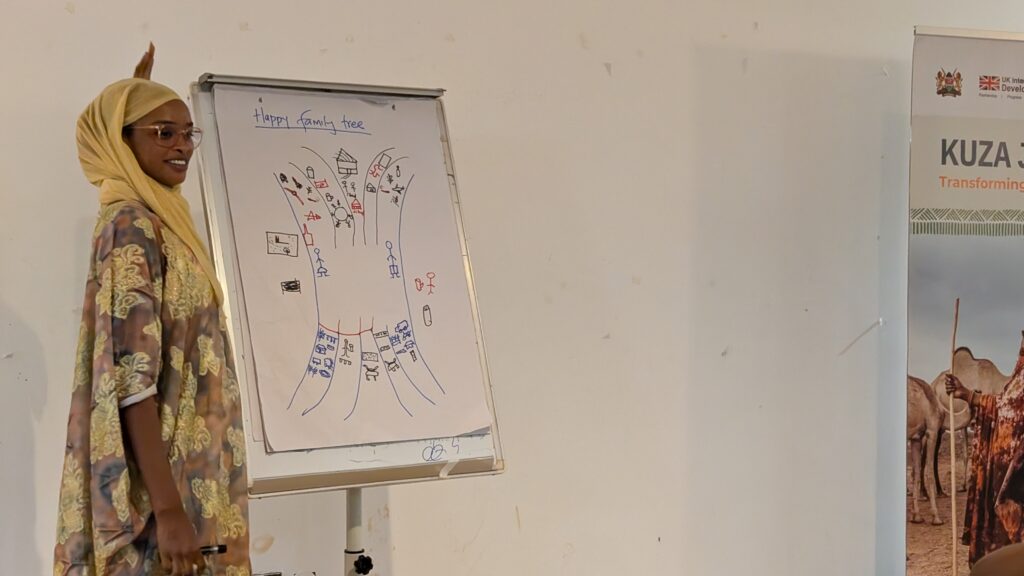
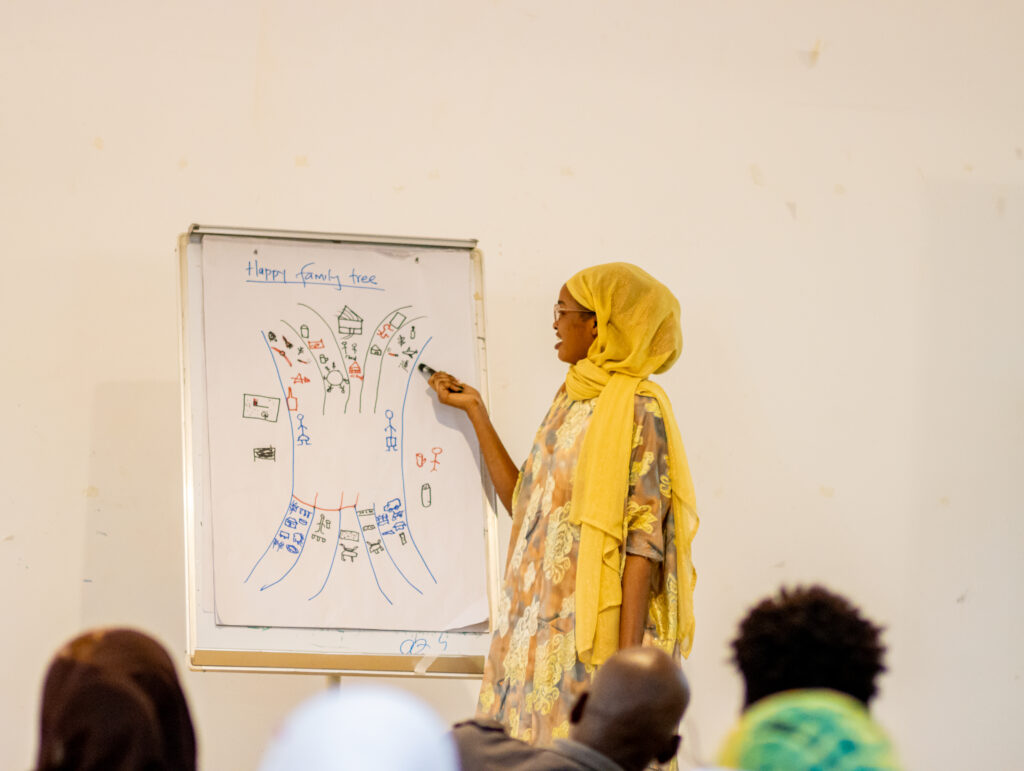
ENAF has identified and trained numerous local youth groups in these five counties, equipping them with the “Happy Family Tree” methodology. These groups are now deploying across the region, using their talent to bypass traditional resistance and spark critical conversations about household power dynamics.

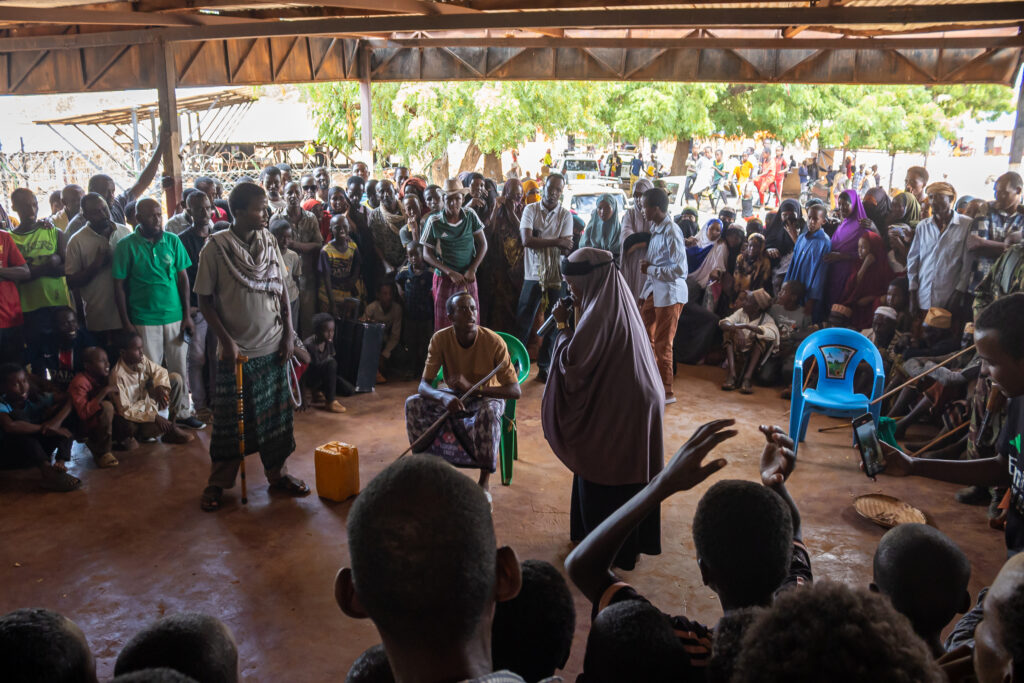
In Wargadud, it was the “El Wak Got Talent” group that took the stage. But they are part of a larger army of youth champions trained by ENAF to deliver one unified message: A household divided cannot prosper.

Making the Invisible, Visible

The drama performed in Wargadud visualized a complex reality recognized across all five counties.

  • The Conflict: The audience watched “Aisha” begging for a donkey cart for water, while “Hassan” insisted on buying a kanzu and a radio.
  • The Metaphor: The skit visualized the family as a tree. Aisha carried the heavy “roots” (labor), while Hassan held all the “leaves” (decisions).
  • The Lesson: A tree with heavy roots on one side and leaves on the other cannot stand. It bends. It breaks.

The Community Responds

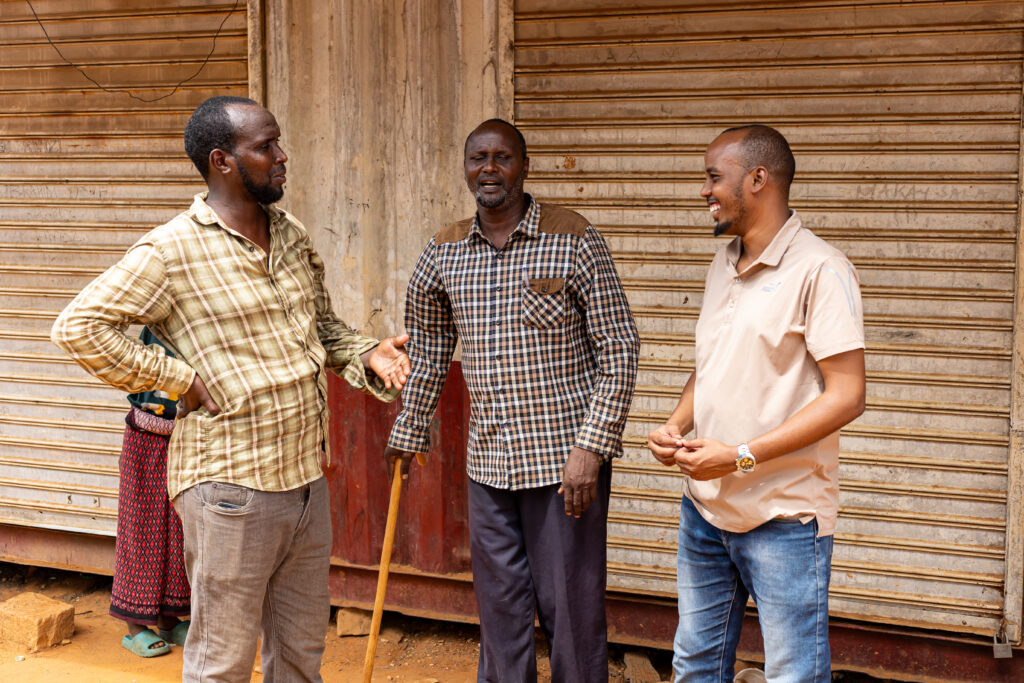
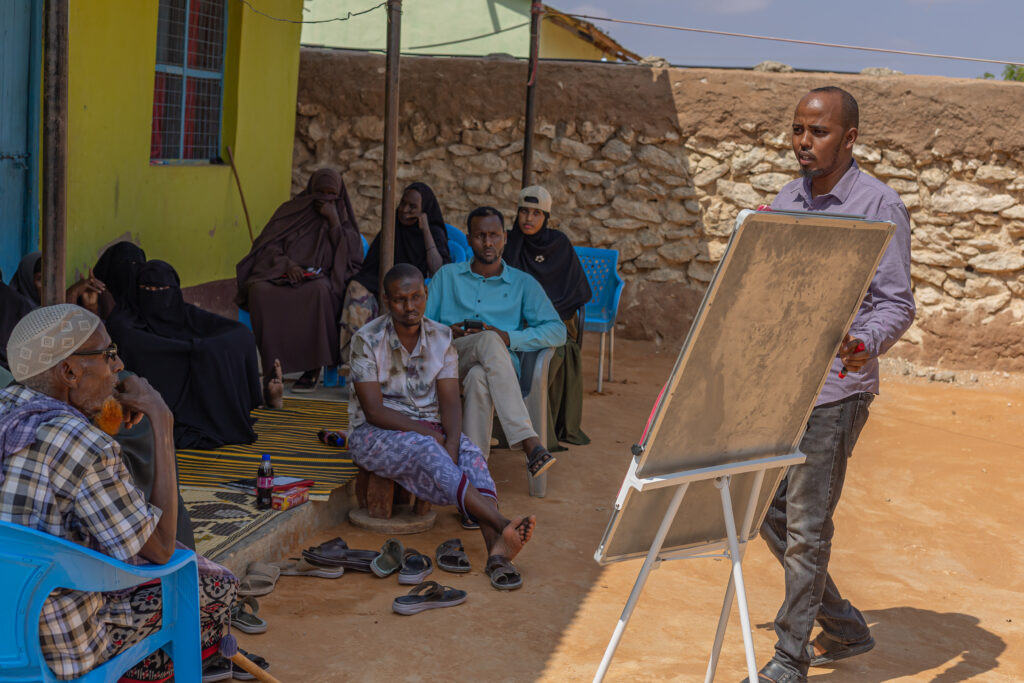
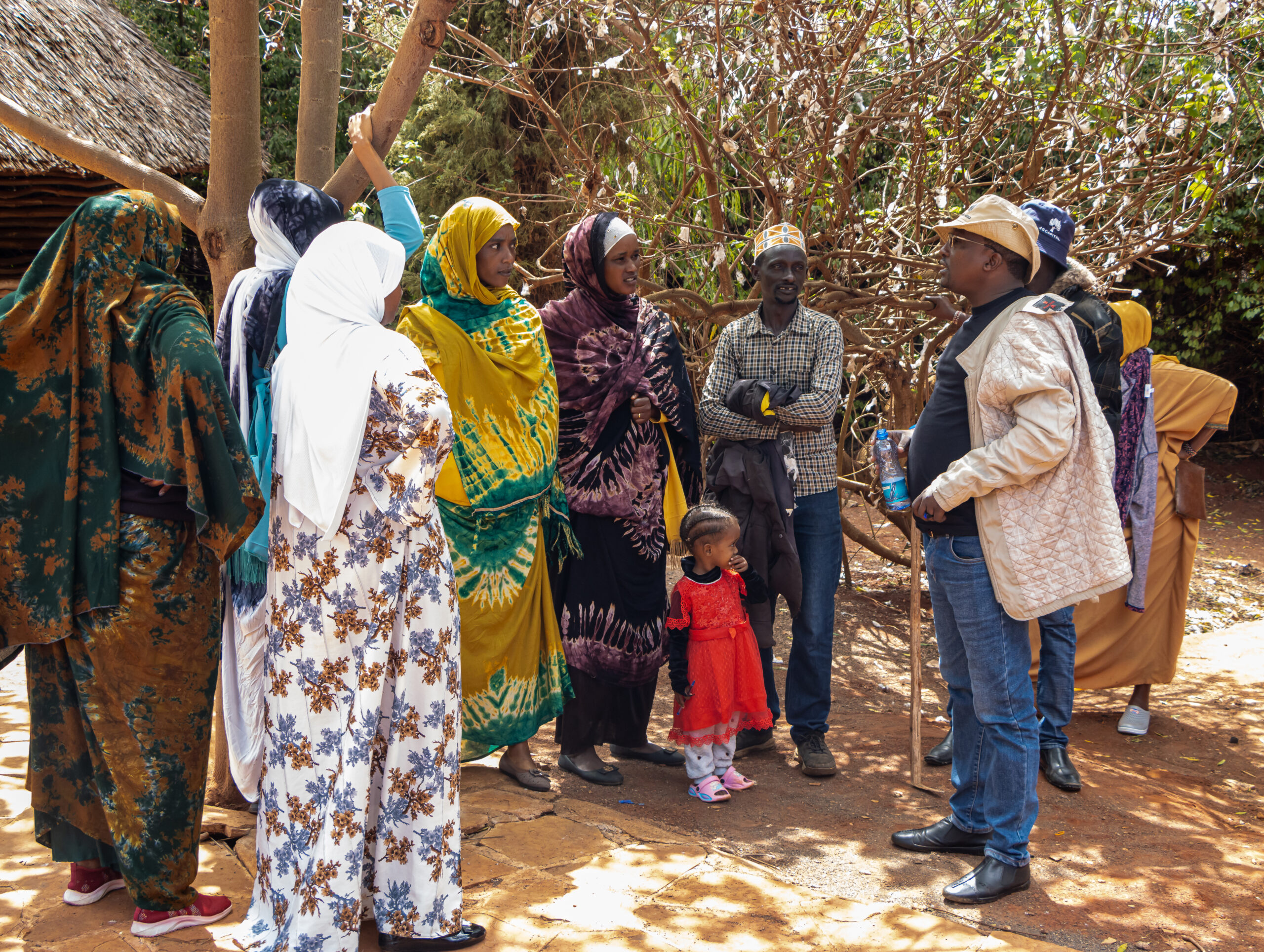
The impact of this region-wide strategy was evident in the reaction of local leadership in Wargadud. Siad Adan Ibrahim, a community leader, watched the performance and saw a direct link between the drama and his community’s future.

Siad (center) chats with ENAF Mandera County Project Assistant, Abdihakim Golo (right), during the Community Forum.

“We have been educated today,” Siad Adan remarked. “We have understood that how we live with our wives and children matters. If parents are constantly quarreling in the boma (homestead), the children get spoiled and develop bad behaviors.”

He noted that the youth’s performance clarified a critical truth.

“When we cooperate in the boma, we progress,” he added. “The children learn from us. We will change our bad habits and move forward.”

Why This Matters

Economic inclusion programs often stumble when household dynamics remain rigid. If a woman receives a grant but has no say in how to spend it, the investment fails.

By training youth groups to cascade these messages across all five counties, ENAF is inoculating the ASAL region against gender-based barriers. This creates a fertile environment where future economic investments can thrive.

ENAF is proud to drive this innovation within the Kuza Jamii II program, supporting the Government of Kenya’s poverty graduation agenda.

Kuza Jamii

Leading the Change: How Adey and the Women of Slaughter VSLA are Transforming Mandera’s Economy

Leading the Change: How Adey and the Women of Slaughter VSLA are Transforming Mandera’s Economy

In the arid expanse of Mandera County, development is driven by the resilience of its women. As a key implementing partner in the Kuza Jamii II consortium, Echo Network Africa Foundation (ENAF) is working with groups like the Slaughter VSLA in El Wak to turn that resilience into sustainable livelihoods.

A Women-Led Movement for Shared Roles

The Slaughter VSLA is a powerful example of community transformation. Comprising 30 members (26 women and 4 men), the group represents a shift toward women taking active roles in shaping the economic future of their families.

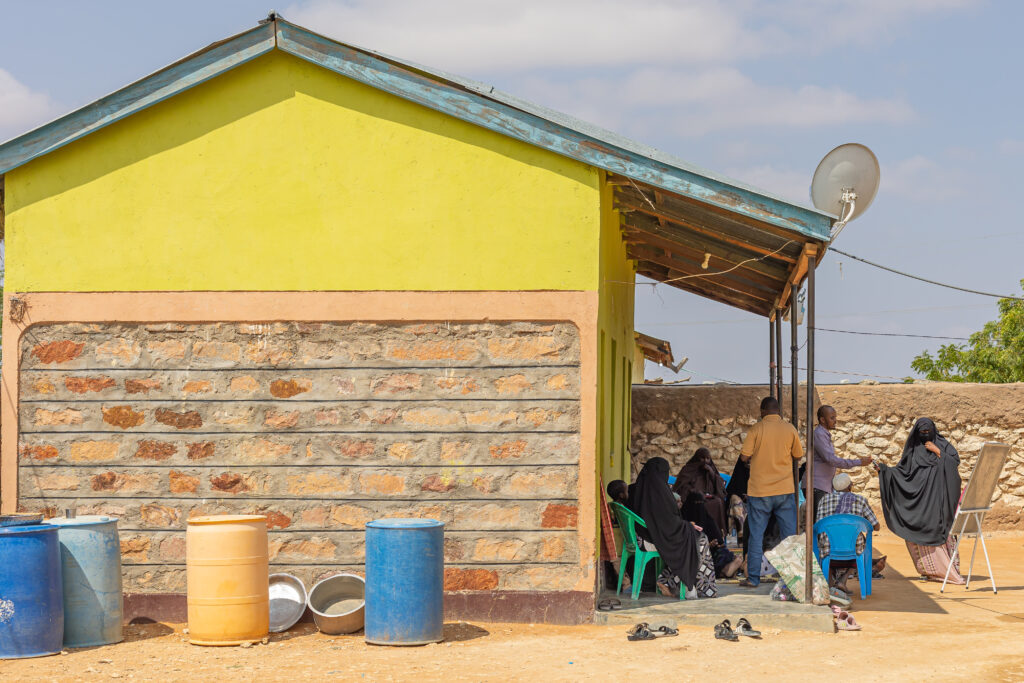
The Slaughter VSLA gathered at a member’s home, where ENAF delivered the training right to their location.

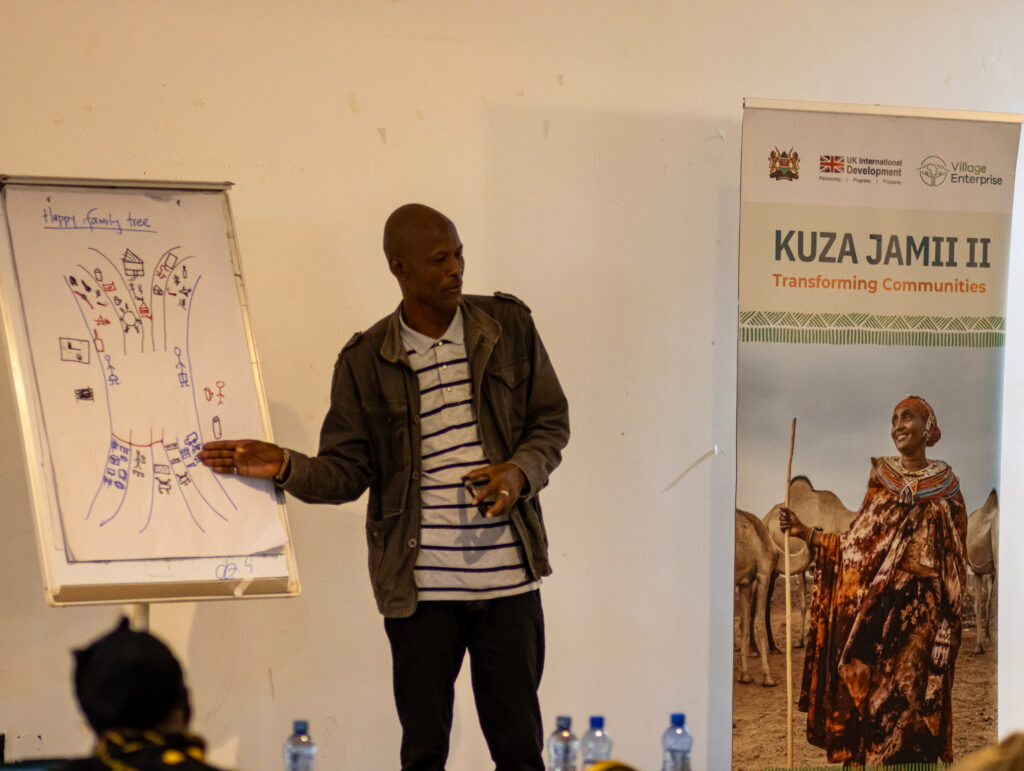
However, economic participation requires support at home. This is where ENAF’s role is critical. Today, ENAF Mandera County Project Assistant Abdihakim Golo guided the group through the “Happy Family Tree” training.

This tool is a core part of the GALS (Gender Action Learning System) methodology. ENAF uses GALS to socially uplift women, recognizing a vital community reality: women are often the primary caregivers for children, even if they historically haven’t been the main breadwinners. By validating their roles and encouraging shared decision-making, this training ensures that as women like those in the Slaughter VSLA start businesses, their standing in the household rises to match their economic contribution.

From Funding to Flourishing

The impact of this approach is already visible. On December 8th, the group received their first Business Savings Group (BSG) grant.

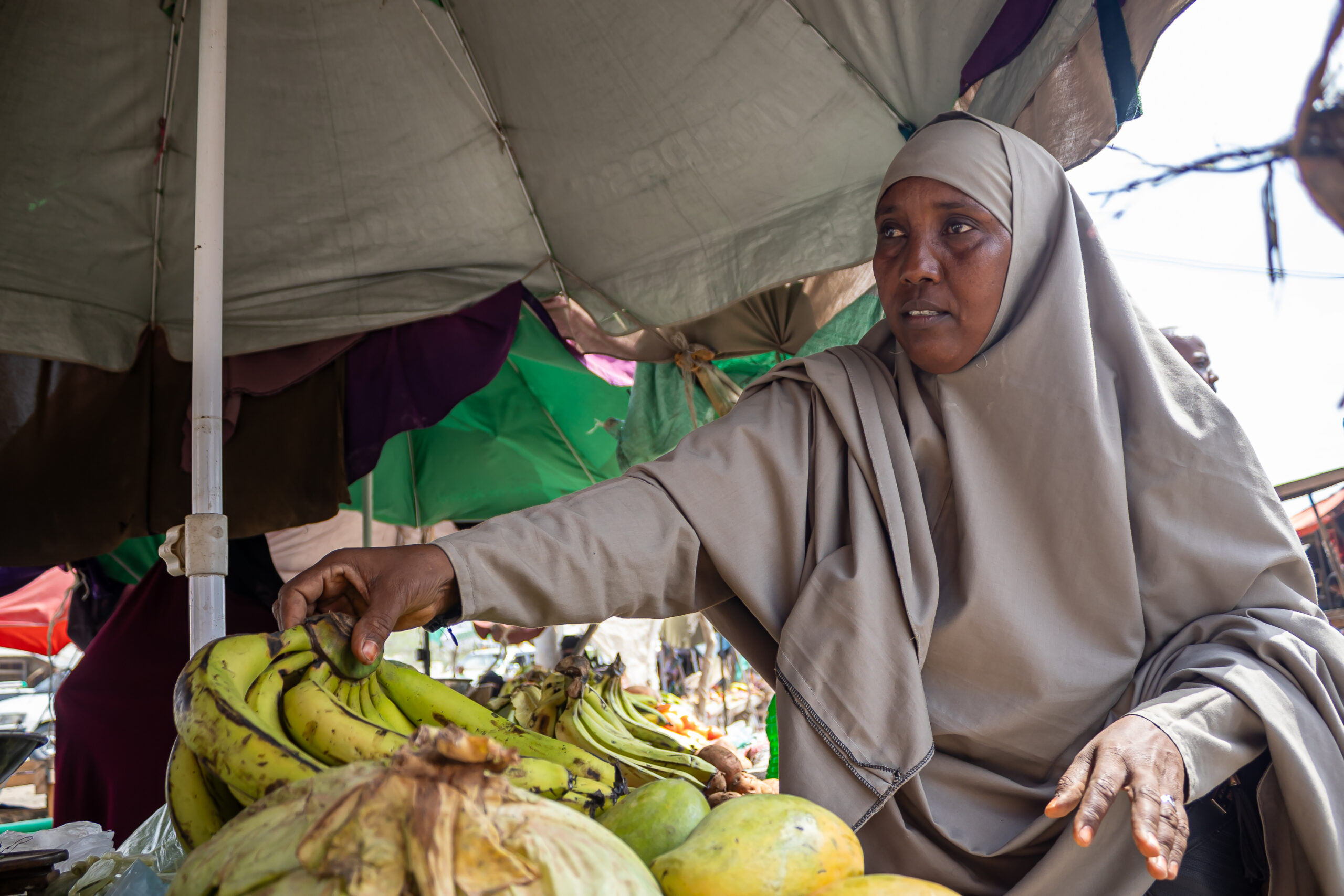
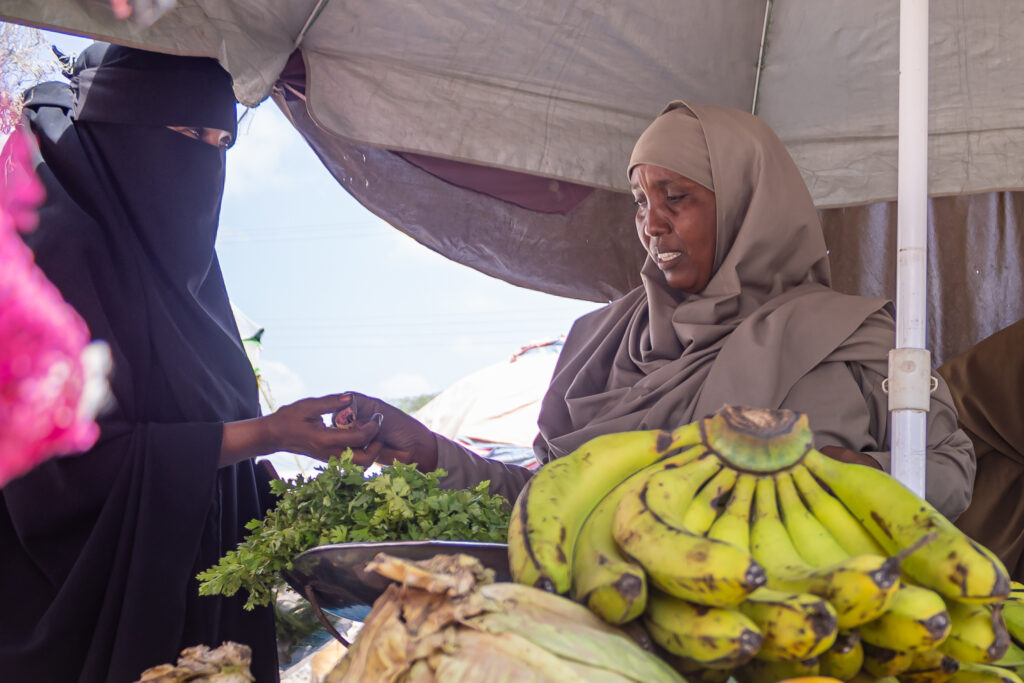
Adey Mohamed Abdi of Slaughter VSLA (Nihma Business Group) interacts with a customer at her stall.

Adey Mohamed Abdi, a member of the Nihma Business Group within the VSLA, is proof of the program’s immediate success. With her share of the grant, she has revitalised her grocery business.

“I have used the grant to improve my grocery business while taking care of my children,” Adey says.

Standing at her shop, now fully stocked with fresh vegetables, Adey is securing her children’s future. Her success demonstrates that when women are socially uplifted through GALS methodology and supported with capital, the entire family unit thrives.

___

About Kuza Jamii II

Kuza Jamii is Swahili for “Transforming Communities.” The project supports the Government of Kenya in increasing the socio-economic resilience of households living in extreme poverty through the poverty graduation approach. Funded by the UK Government’s Foreign, Commonwealth & Development Office (FCDO), the program is led by Village Enterprise in consortium with Echo Network Africa Foundation (ENAF), GENCAD, CHASP Advisory, and Smart Regional Consultants. The project is currently implemented in Isiolo, Garissa, Tana River, Marsabit, and Mandera counties.

Community Resilience & Livelihoods Kuza Jamii

Acting for Change: How Youth in Northern Kenya are Using Theatre to Break the Silence on Gender Violence

Acting for Change: How Youth in Northern Kenya are Using Theatre to Break the Silence on Gender Violence

In the arid expanses of Northern Kenya, deep-rooted cultural norms often dictate the pace of social change. To address this, a new narrative is being written. Echo Network Africa Foundation (ENAF) launched a critical phase of the Kuza Jamii II program. The initiative has deployed 357 youth leaders to champion Gender Equality and Social Inclusion (GESI) through the transformative power of the arts.

Funded by the British High Commission (FCDO) and implemented by a consortium led by Village Enterprise, Kuza Jamii II is a £7 million initiative designed to graduate households out of extreme poverty. However, sustainable economic resilience is impossible without social equity. ENAF has operationalized a “social graduation” model to address this need. We are equipping local youth groups with the Gender Action Learning System (GALS) methodology to dismantle barriers such as Gender-Based Violence (GBV) and early marriage.

The Strategy: Behavioral Change through Performance

Traditional sensitization methods often struggle to penetrate the social fabric of conservative communities. Lectures and town halls can feel confrontational or abstract. To bridge this gap, ENAF has pivoted to a community-led arts approach.

Following an intensive training workshop held last month, youth groups have been upskilled in script development and theatrical performance. These groups are already trusted entertainers within their wards and are now serving as tactical agents of change.

Pius Lokuru, a community leader from Korr in Marsabit, explains that the visual and emotional nature of drama bypasses defensiveness and sparks dialogue.

“A message delivered through performance lands differently than a lecture,” Lokuru observes. “When the community watches a drama, they act as if they are seeing their own reality reflected back at them. That is when the real message sinks in.” 

Case Study: From Bystander to Defender

The impact of this capacity building is already evident in the confidence of the participants. Catherine Bulyar, a youth leader with the Napoki Group in Karare Ward, describes the program as a turning point for women’s agency in her region.

Previously, Catherine notes, a culture of silence surrounded domestic violence. Interventions were rare and fear was the dominant response. However, the ENAF training has equipped her with both the language and the courage to act.

“Words alone often fail to provoke action, but performance demands attention,” Catherine asserts. “We are using action to drive change. Since the training, I have already intervened in cases of domestic violence and child abuse that would have previously gone unreported. I no longer feel helpless. If I see injustice, I know the protocol and I will report it.” 

Institutionalizing Referral Pathways

A key component of the training involved demystifying the reporting process for GBV. In Isiolo, Deka Ali of the Chimchim Youth Group highlights how the program clarified the often-confusing referral pathways for Gender-Based Violence cases.

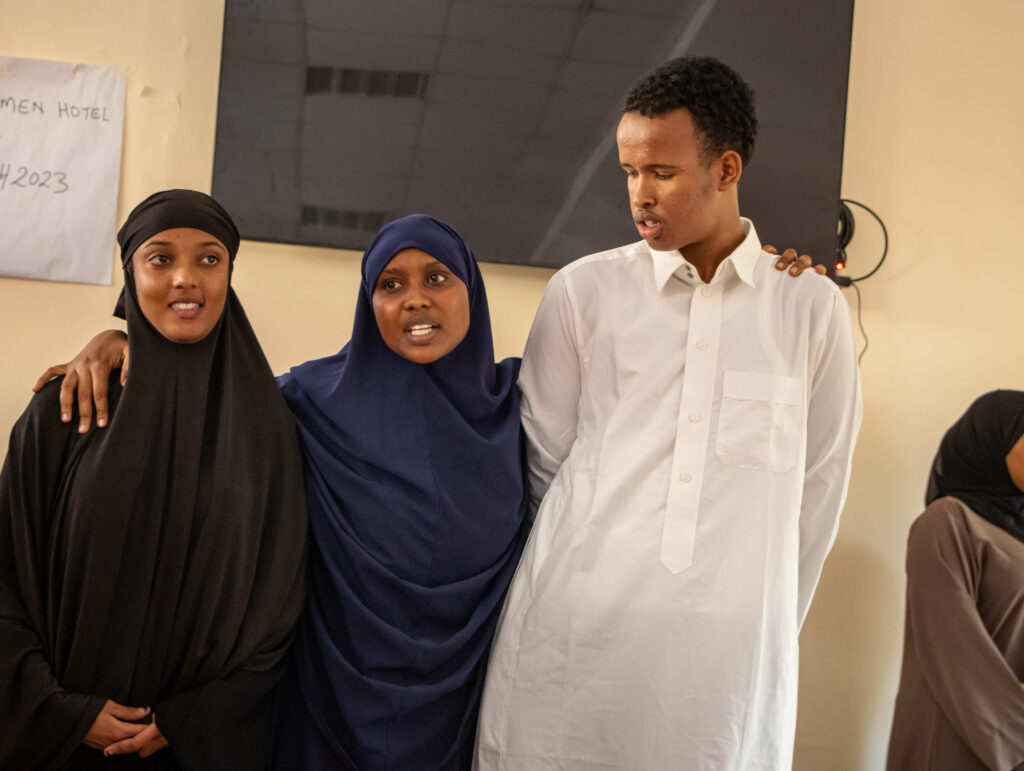
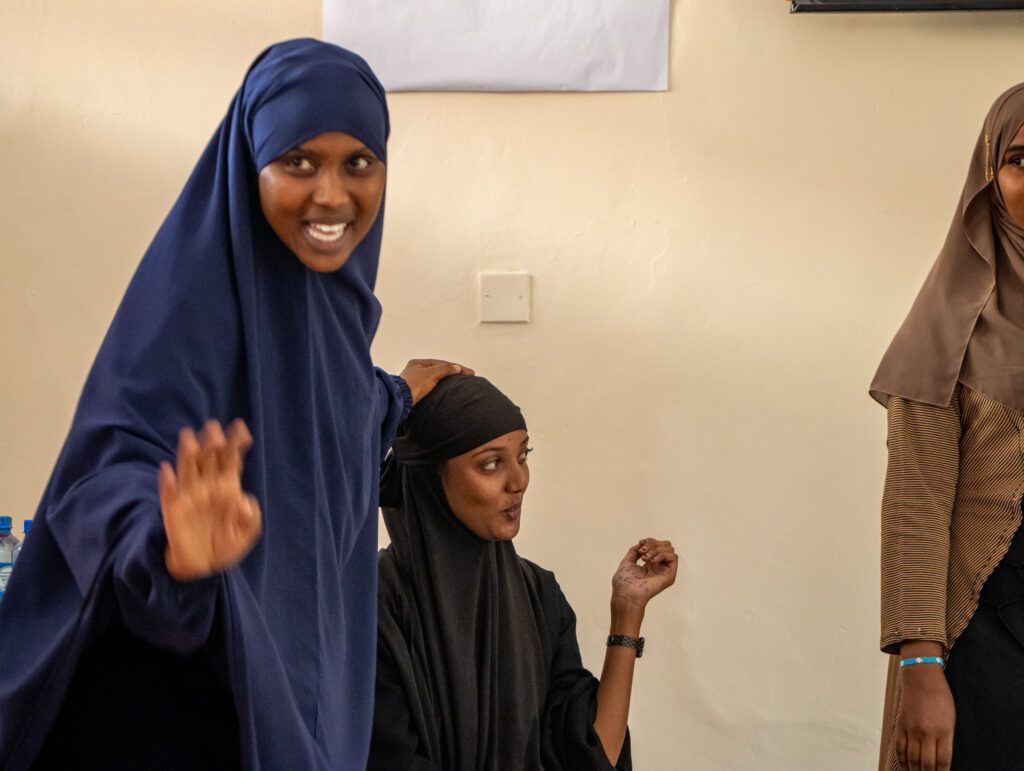
Deka Ali (Centre) rehearses with members of her youth group

Deka Ali (Centre) with her youth group members

Deka emphasizes that the training dismantled the harmful “private family matter” myth that often shields perpetrators.

“We used to witness conflict and dismiss it as a private household issue,” Deka admits. “That has changed. We now understand that we share the burden of our community’s well-being. Crucially, we learned that we don’t need to be investigators. Our role is to identify the breach and safely link victims to the authorities.” 

Scaling for Impact

This initiative is part of a broader regional rollout. ENAF has trained 20 youth groups across Garissa, Isiolo, Mandera, Marsabit, and Tana River. The program targets a reach of over 23,000 community members who are not direct recipients of economic grants.

These groups are moving from rehearsal spaces to public performances to create safe, inclusive forums for intergenerational dialogue. ENAF is embedding GESI principles into local entertainment to ensure that the economic gains of Kuza Jamii II are protected by a more inclusive and equitable social environment.

Blue Economy & Climate Action

Rising with the Waves: Rhoda and Monica’s Journey with the Ten Fishmongers Women Group

Rising with the Waves: Rhoda and Monica’s Journey with the Ten Fishmongers Women Group

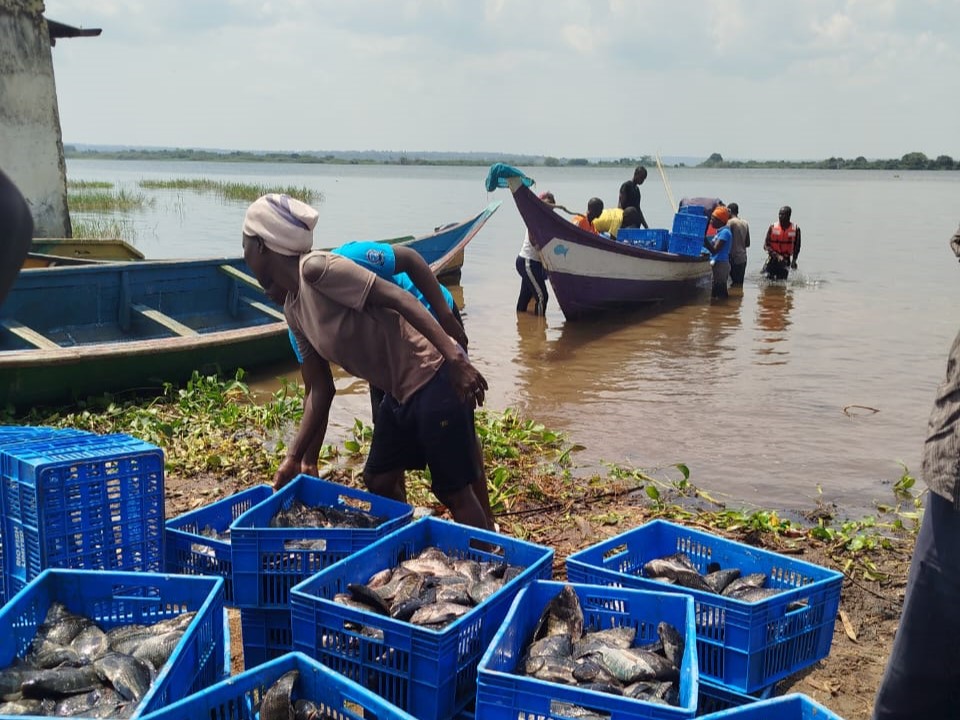
Along the shores of Lake Victoria, the sound of determination is louder than the waves. At Uhanya Beach in Siaya County, a group of women known as the Ten Fishmongers Women Group is leading a quiet revolution. For years, women around the lake were trapped in an exploitative system that made access to fish difficult and unsafe. Today, through unity and empowerment, these women have turned the tide in their favor.

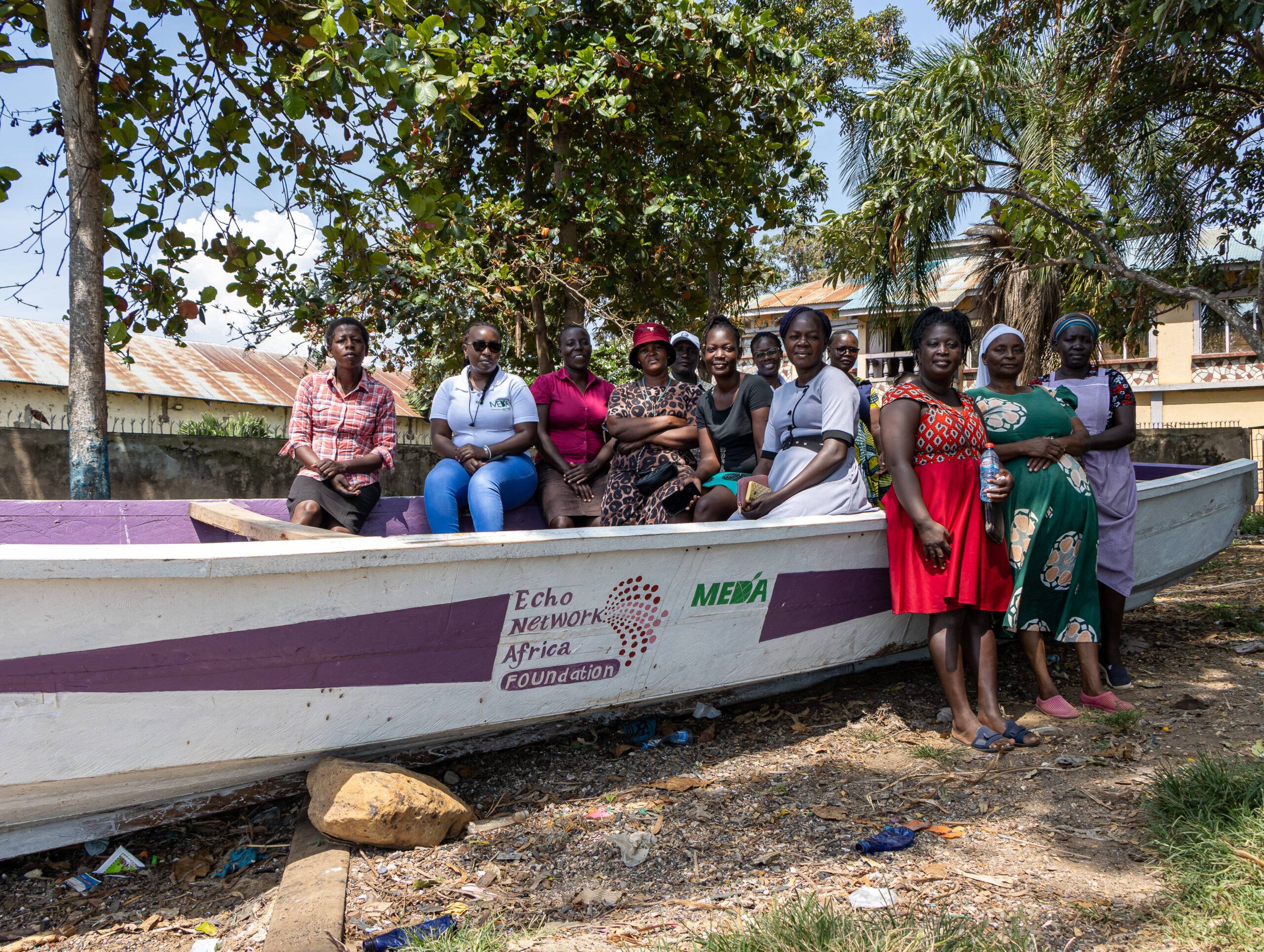
Supported by Echo Network Africa Foundation (ENAF) in partnership with MEDA under the Leveraging Equality for Gender Inclusive Economic Development (LEGEND) Project, the Ten Fishmongers Women Group is transforming livelihoods through aquaculture, entrepreneurship, and leadership. The group has received a fish cage, fingerlings, feeds, a motorized boat, and most recently, a solar-powered freezer to improve fish preservation. These investments have not only improved their income but also strengthened their role as leaders within their community.

Among the many women who have grown through this initiative are Monica and Rhoda, whose stories embody the group’s journey of resilience and renewal.

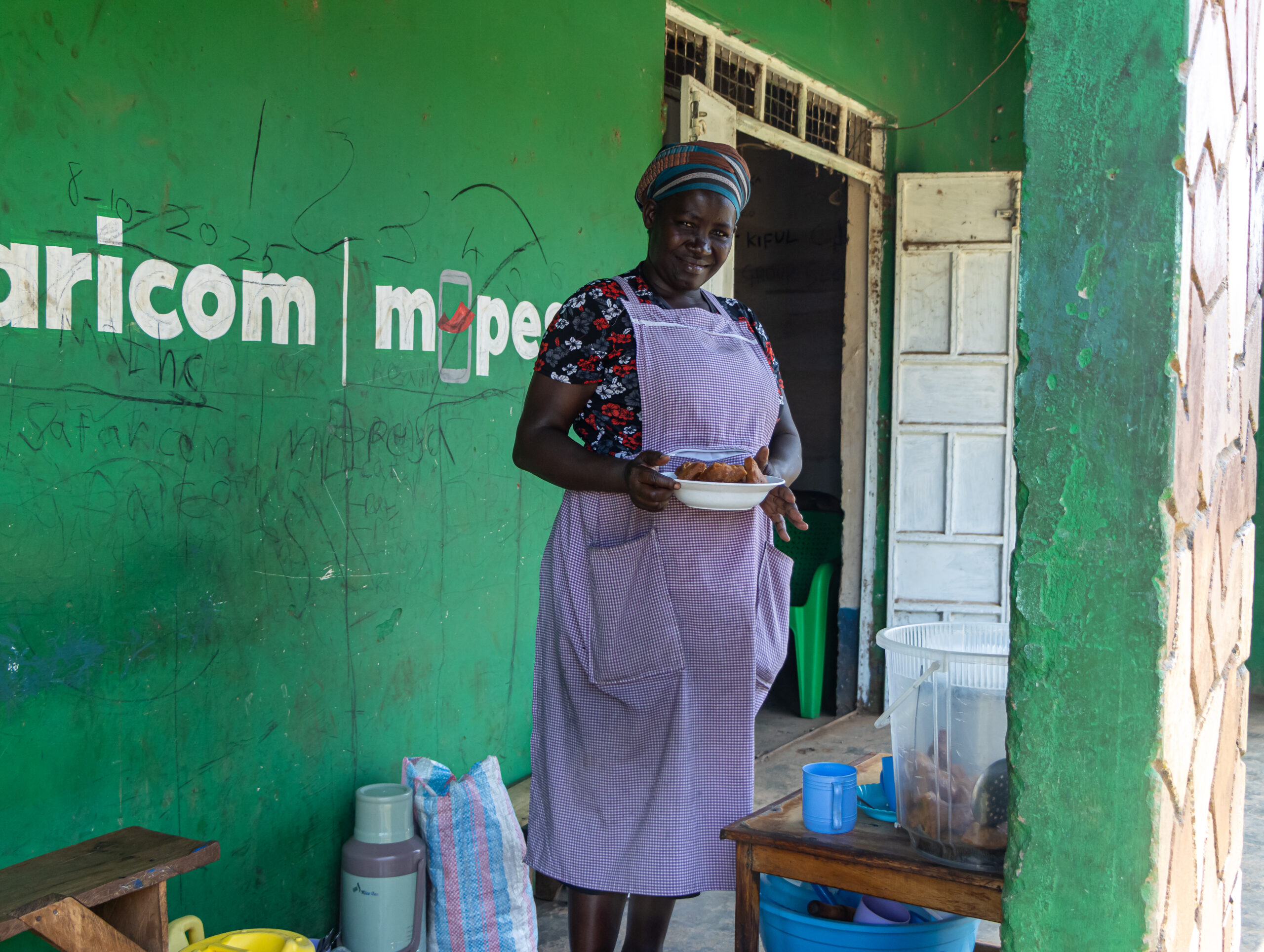
When Monica first came to Uhanya in 2022, she hoped to make a living from selling omena. The business was not easy. Accessing fish was inconsistent, and her earnings were low. Determined to provide for her children, she started a small street food stall just outside the local meeting hall. When she joined the Ten Fishmongers Women Group, everything began to change.

Monica stands proudly at her street food stall near Uhanya Beach
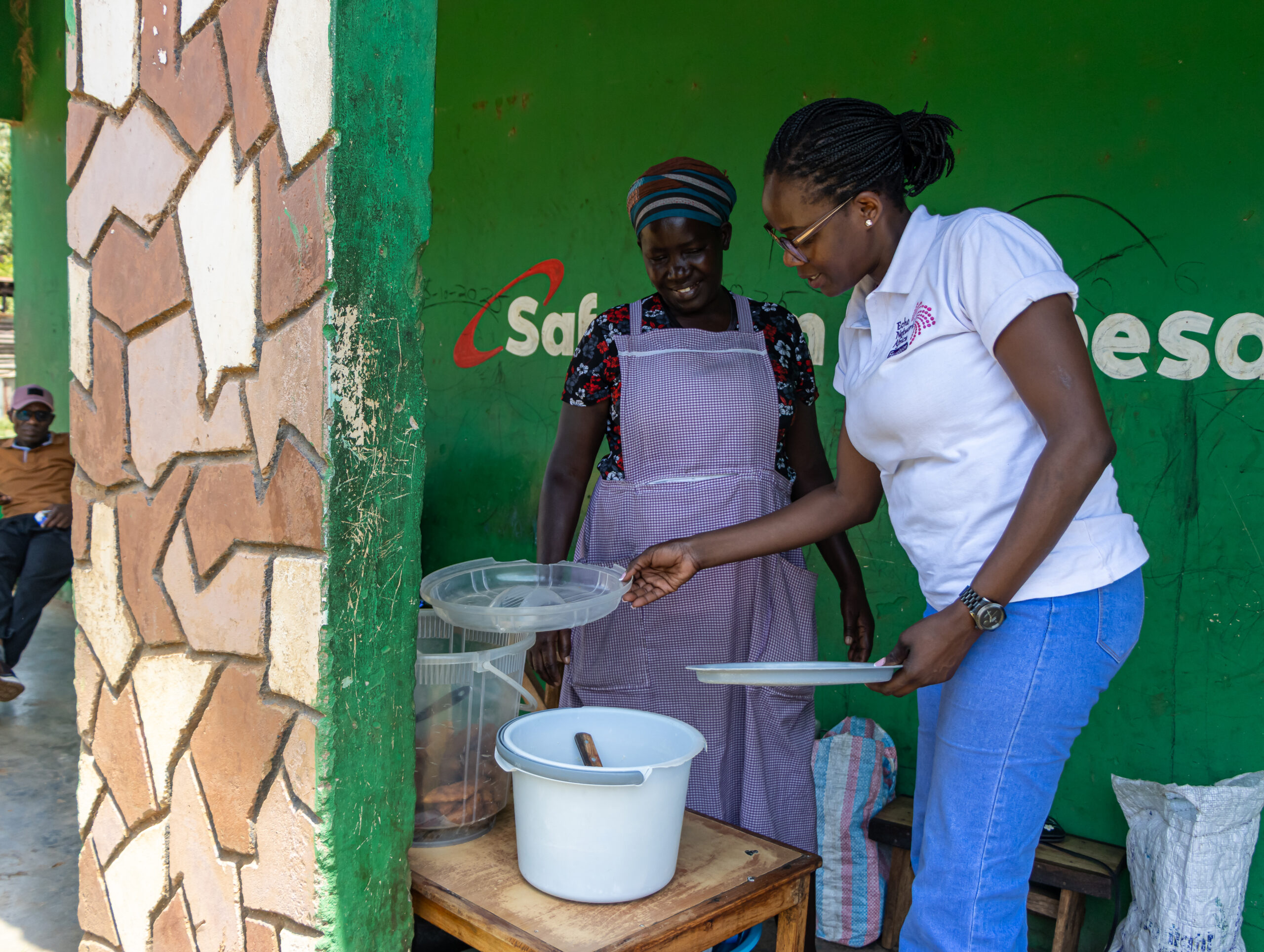
ENAF’s Programme Manager for Blue Economy and Climate Change, Mercy Ogwel, interacts with Monica at her food stall in Uhanya.
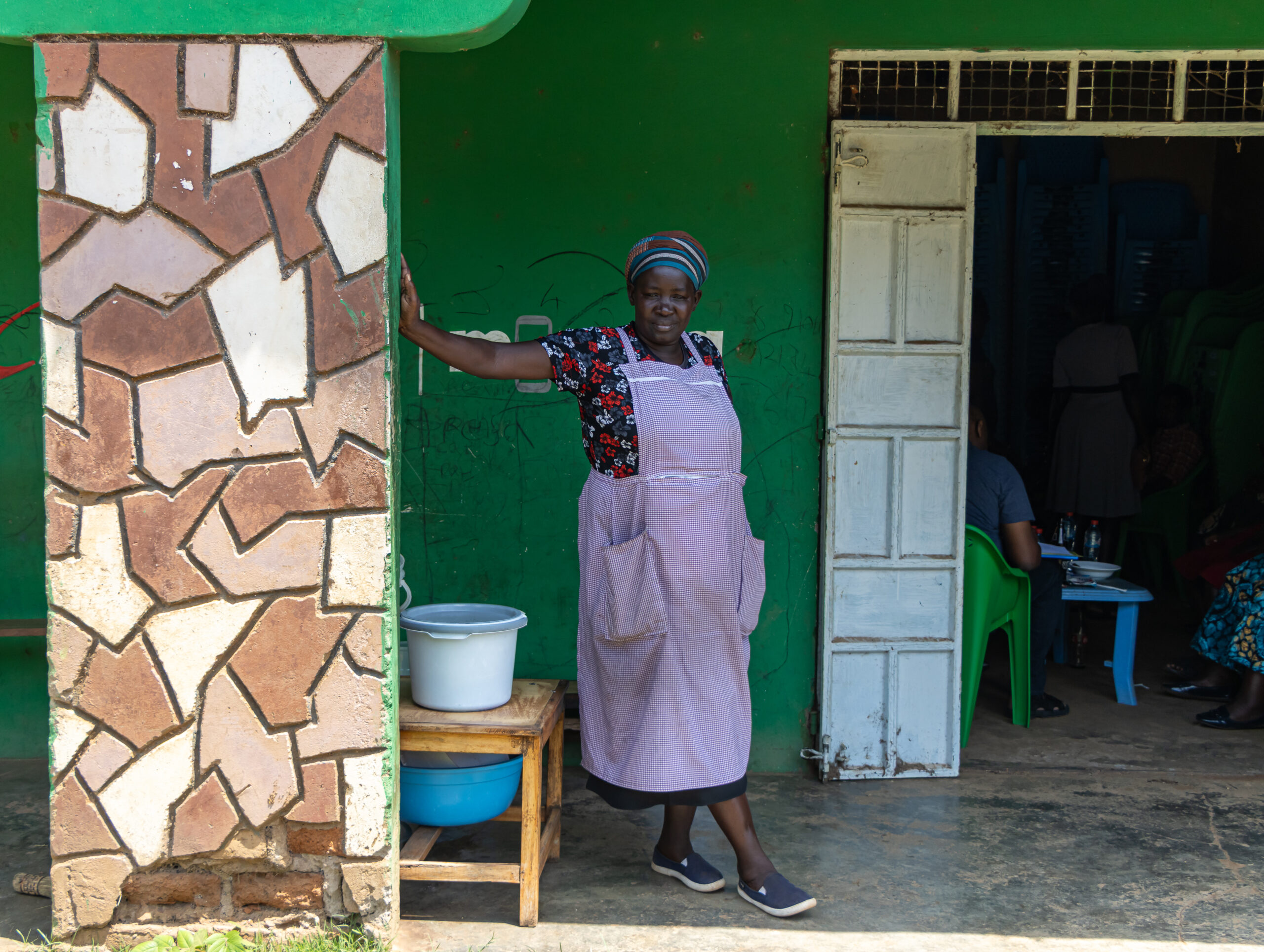
Monica stands proudly at her street food stall near Uhanya Beach

Through training and mentorship, Monica learned better ways to manage her business and engage in aquaculture. She also gained the confidence to expand her ventures and support others.

“I have managed to educate my children and even employed people in the aquaculture space,” says Monica.

Her small food stall has now become a reliable source of income, and she continues to support the group’s fish farming activities. Monica’s story is one of persistence and faith, a reminder that when women are given equal opportunity, they find ways to thrive.

Rhoda, the chairlady of the group, has seen firsthand how the right knowledge can change everything. After receiving training through the project, she diversified her income by starting a kitchen garden and poultry business at her home.

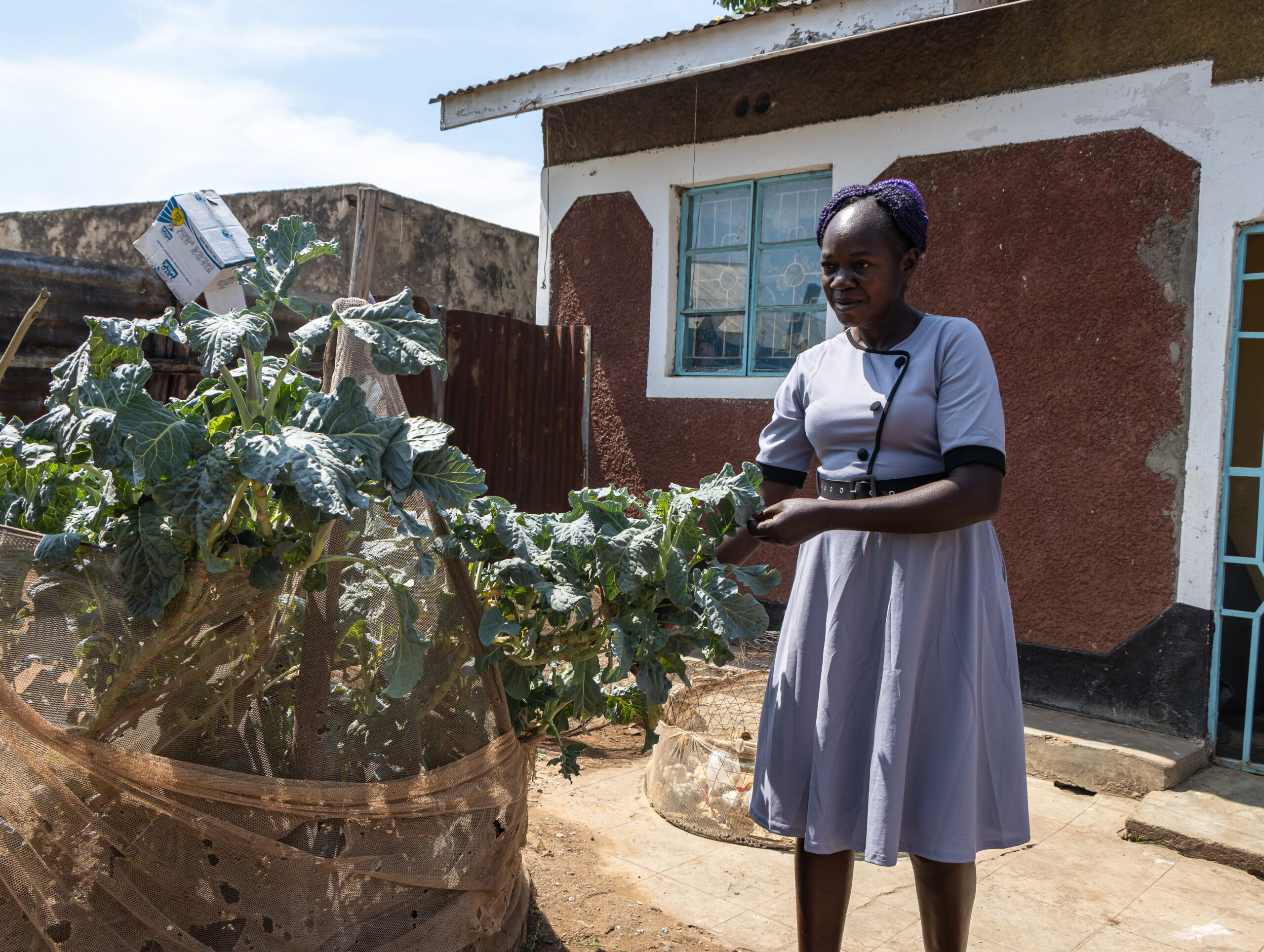
Rhoda, chairlady of the Ten Fishmongers Women Group, tends to her lush kitchen garden — one of the initiatives she started after receiving training through the ENAF and MEDA project.
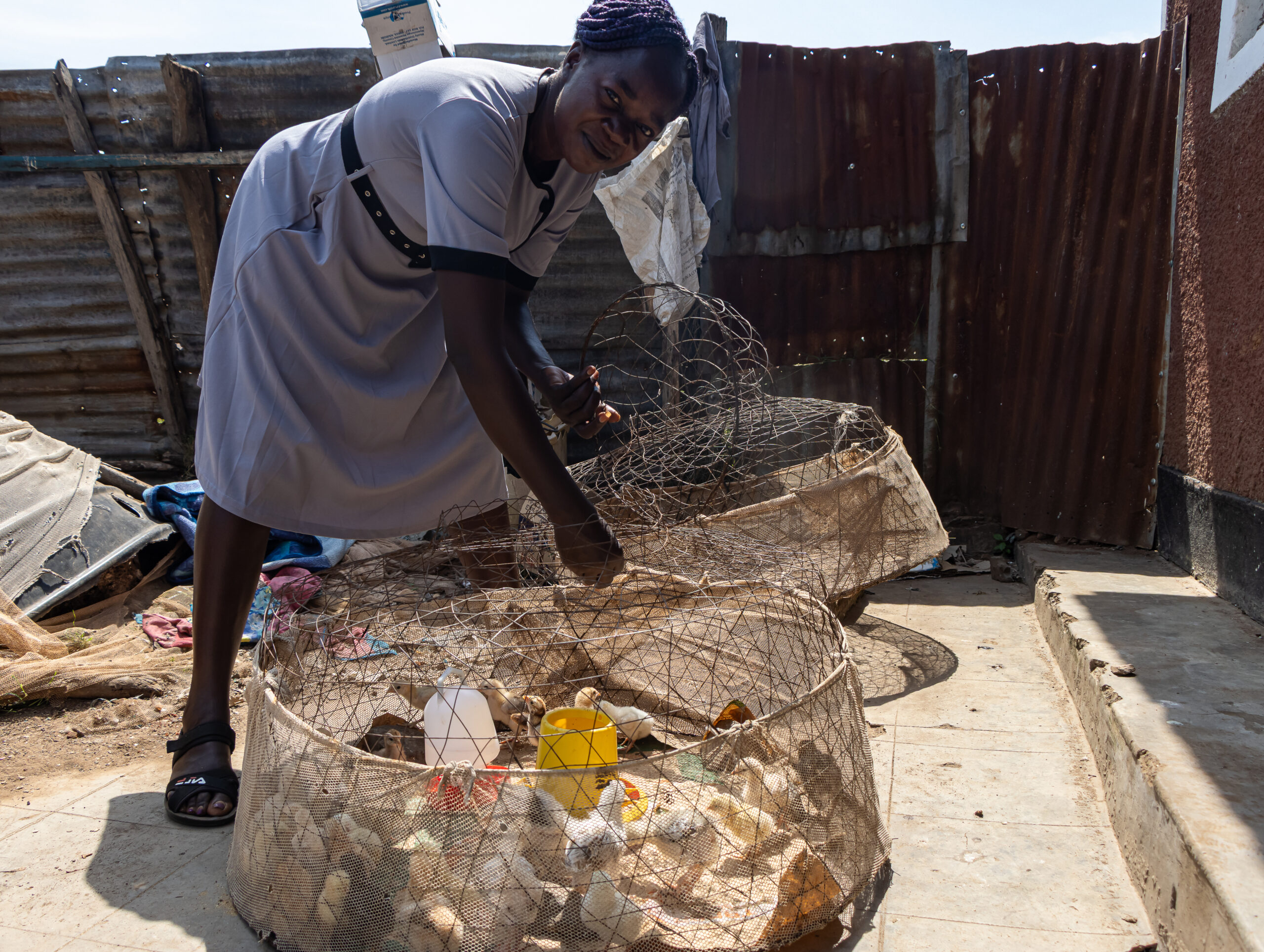
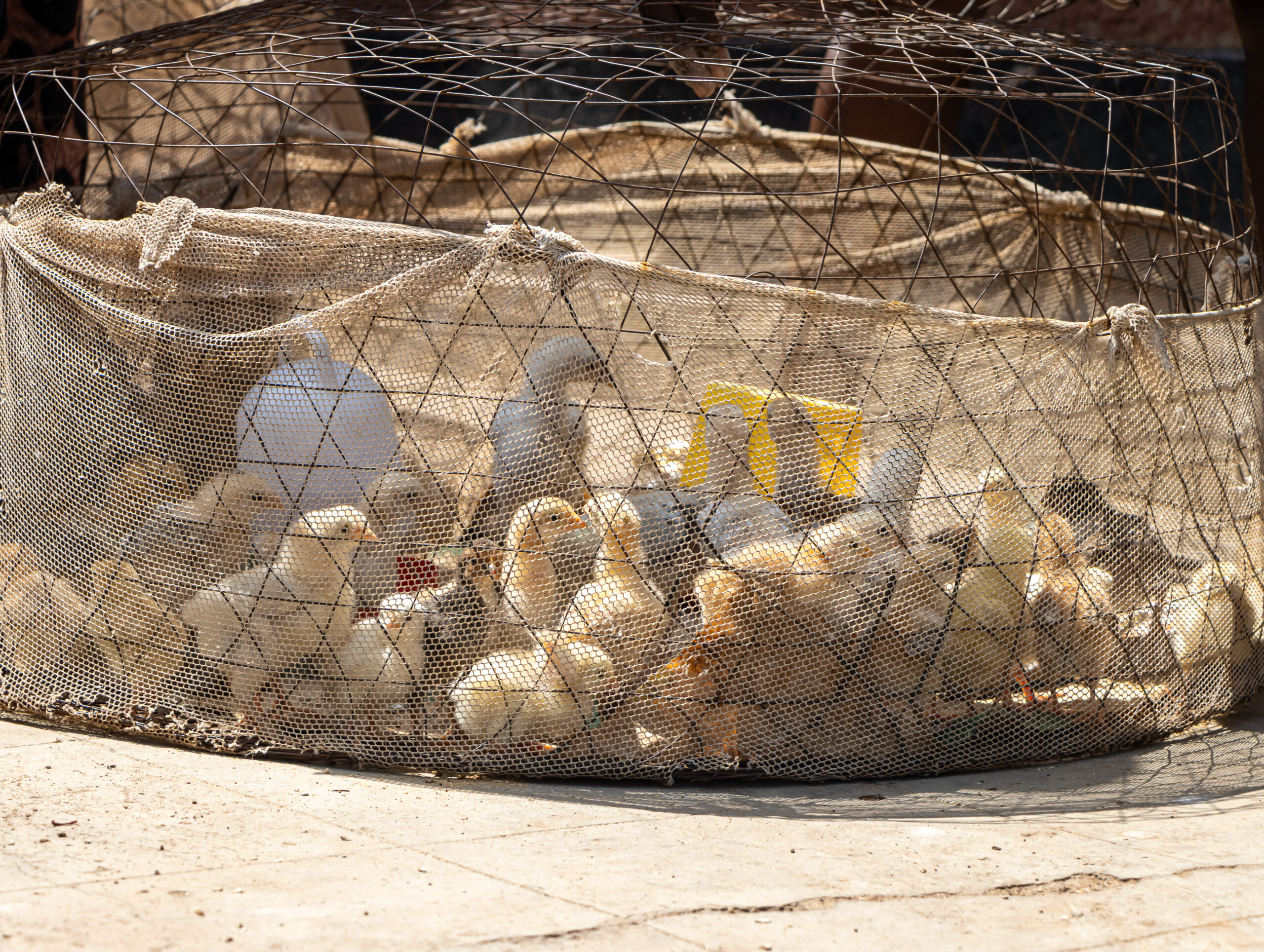
Rhoda proudly displays her thriving poultry project

“Since the training, I have never had to buy chicken. I sold eighteen cockerels last month, and that helped me pay school fees for my children,” Rhoda shares proudly.

Beyond poultry, Rhoda has kept investing in aquaculture and now owns two boats which employ local youth to manage fish cages and nets. Her home is a model of self-reliance, filled with green vegetables, chicken coops, and an incubator she uses to increase her flock.

Under her leadership, the Ten Fishmongers Women Group continues to grow stronger. Their table banking initiative has expanded, enabling members to lend to one another and reinvest in their businesses. With the solar-powered freezer, they can now store fish safely and reduce post-harvest losses, which has significantly increased their profits.

The story of Rhoda, Monica, and the Ten Fishmongers Women Group is a story of courage and transformation. It is a reflection of what happens when grassroots women are equipped with skills, resources, and opportunity. From the shores of Lake Victoria, these women are proving that empowerment is not a gift. It is a process, and one that continues to ripple through their community, changing lives one wave at a time.

Blue Economy & Climate Action

From Jaboya to Entrepreneurs: The Journey of Ten Fishmongers Women Group

From Jaboya to Entrepreneurs: The Journey of Ten Fishmongers Women Group

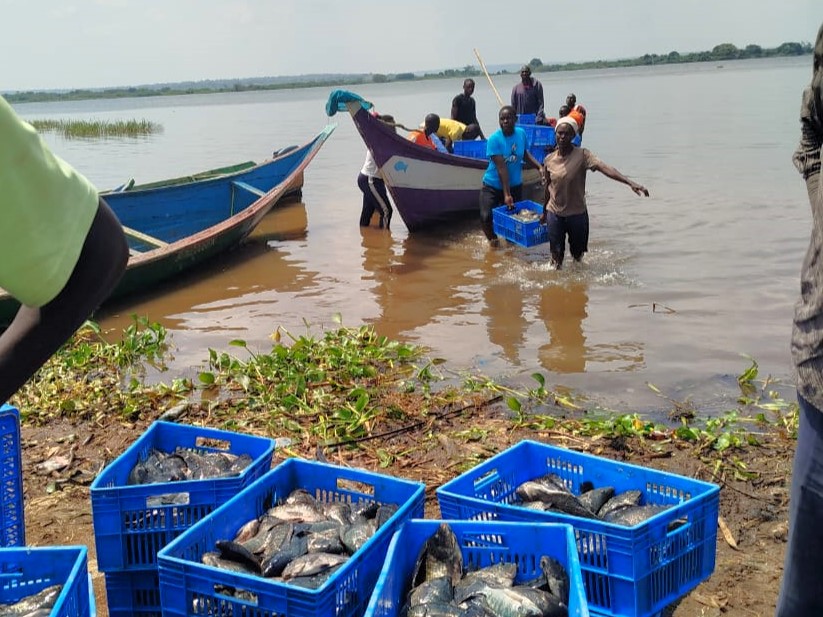
At Uhanya Beach in Siaya County, a group of 22 women known as the Ten Fishmongers Women Group is transforming the story of women in fisheries. For many years, women traders around the lake were vulnerable to the exploitative Jaboya system where access to fish often came at the cost of their dignity and health.

Determined to break this cycle, the Ten Fishmongers formed a group to give women safer and more sustainable alternatives. Beyond trading fish, the women engaged in farming, table banking, and merry-go-round savings, while also championing good governance and health advocacy in their community.

As one member put it: “We are here to become role models and display discipline all the time. Reflect on your family and do not let them down whether you have food or not.”

Partnering for Change

In 2024, Echo Network Africa Foundation (ENAF) with support from MEDA through the Leveraging Equality for Gender Inclusive Economic Development (LEGEND) Project identified the Ten Fishmongers as an active grassroots women’s group ready for transformation.

Through the project, the women received:

  • A 10 meter HDPE fish cage stocked with 35,000 fingerlings
  • Fish feeds for a full cycle
  • A motorized boat, solar lamp and CCTV, weighing scale, and scoop nets

They also underwent training in group dynamics, climate-smart aquaculture, and business management. Importantly, extension services were designed to be gender responsive so that women could fully participate and lead.

Transformative Results

The first harvest was a success. The group produced 4,080 tonnes of fish, generating Ksh. 1,285,200 in revenue. This has had far-reaching effects:

  • Improved livelihoods: Every member now earns a sustainable income, with many meeting household needs such as school fees, healthcare, and food security.
  • Stronger finances: The group expanded its table banking fund, enabling more reinvestment and lending among members.
  • Community leadership: Their achievements have inspired more women to join, while also earning the group recognition as role models within the community.
  • Health and dignity: By providing alternatives to Jaboya, the women are safeguarding themselves and their families from harmful practices and associated risks.

The group now owns an office where they meet, reflect, and conduct trainings, further cementing their role as leaders.

Looking Ahead

Encouraged by their success, the Ten Fishmongers are preparing to restock their cage for a new production cycle. Their journey demonstrates what happens when grassroots women are equipped with resources, knowledge, and supportive systems. They not only transform their own lives but also uplift their communities.

Girls Excel News Stories

Equipping Kenya’s Future Leaders: ENAF Delivers Hands-On Science Labs to 14 Schools Across 12 Counties

Equipping Kenya’s Future Leaders: ENAF Delivers Hands-On Science Labs to 14 Schools Across 12 Counties

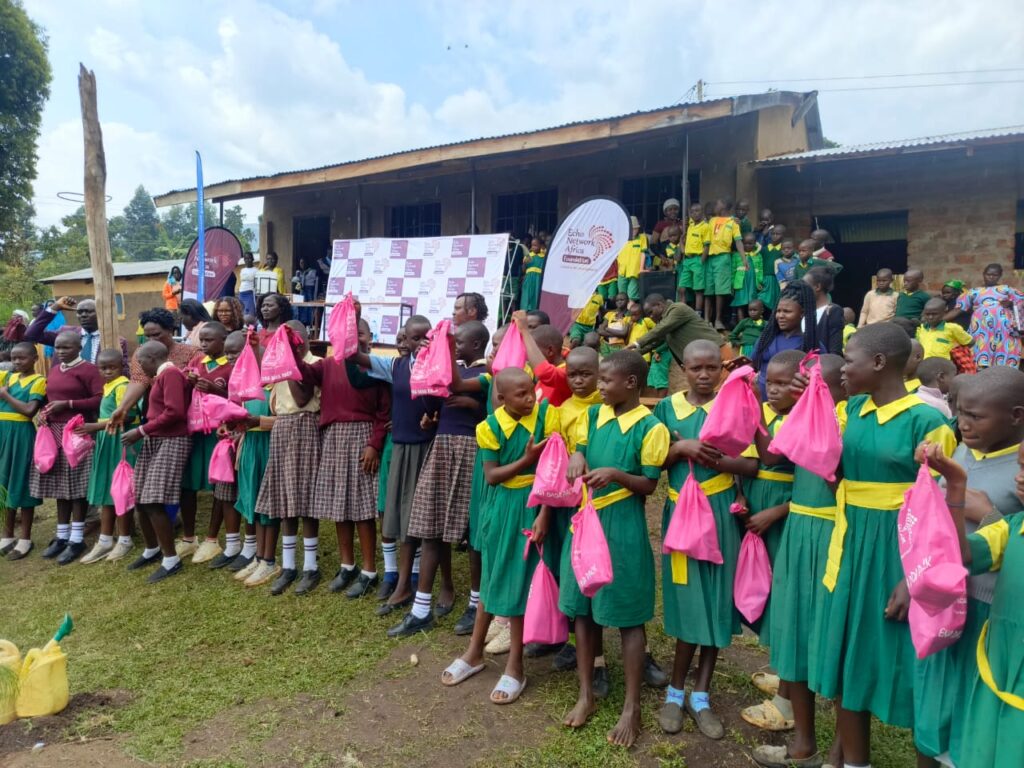
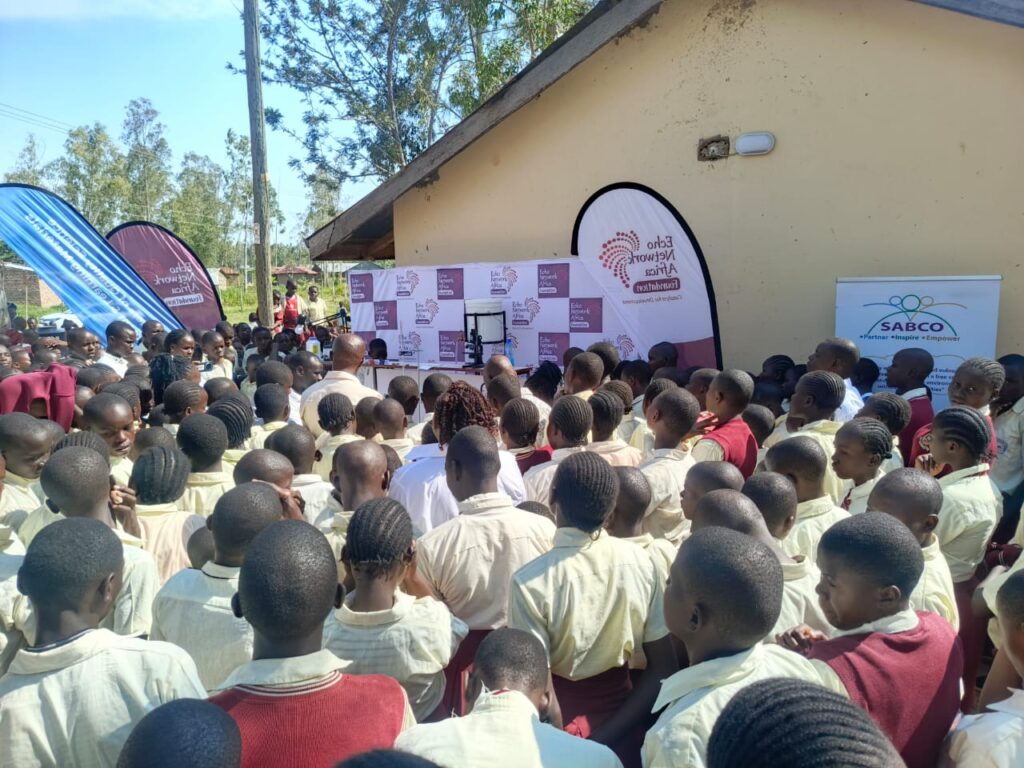
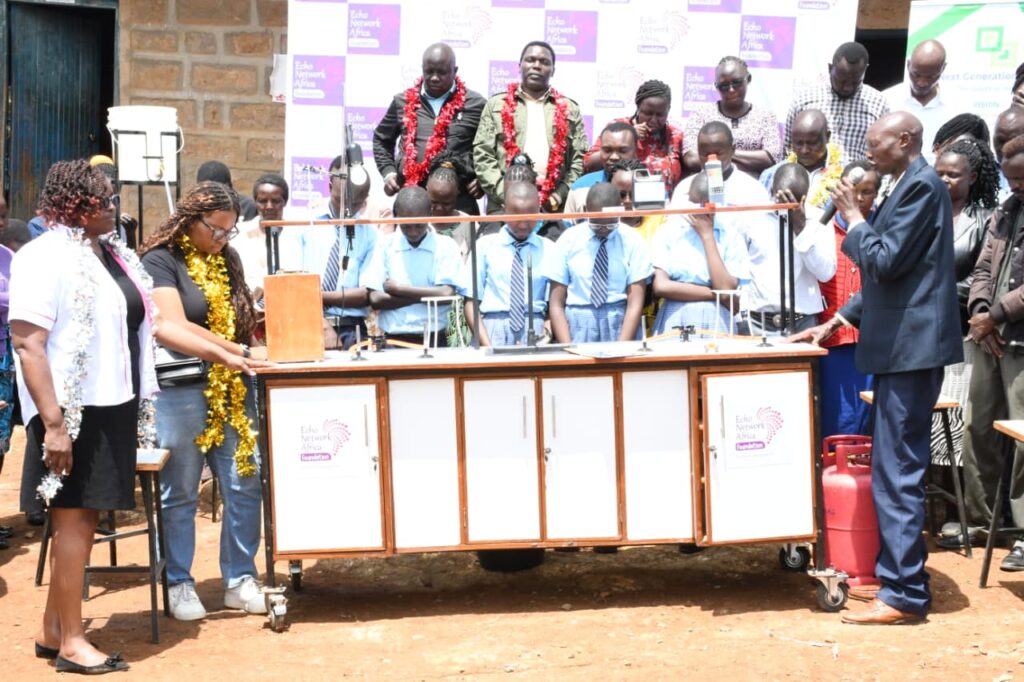
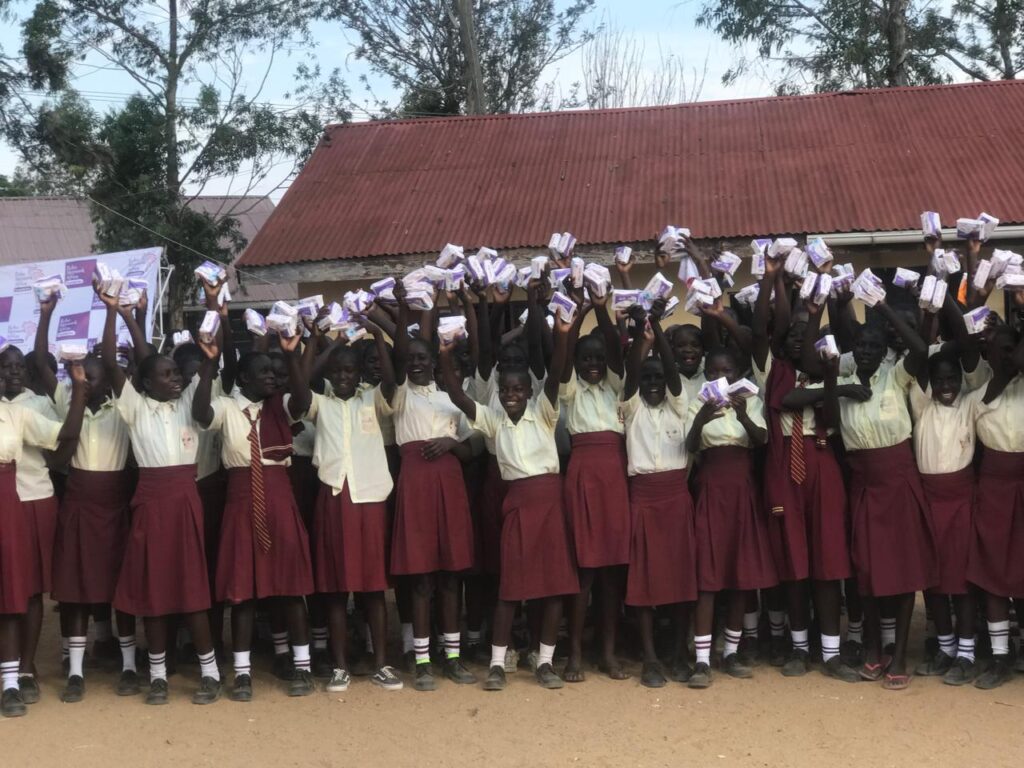
Echo Network Africa Foundation (ENAF) has completed the first phase of its Mobile Science Laboratory initiative, reaching 14 schools in 12 counties and providing over 1,200 students with hands-on access to science. Alongside labs, more than 4,450 dignity kits were distributed to ensure that girls stay in class and can fully benefit from STEM education.

A Journey of Impact:
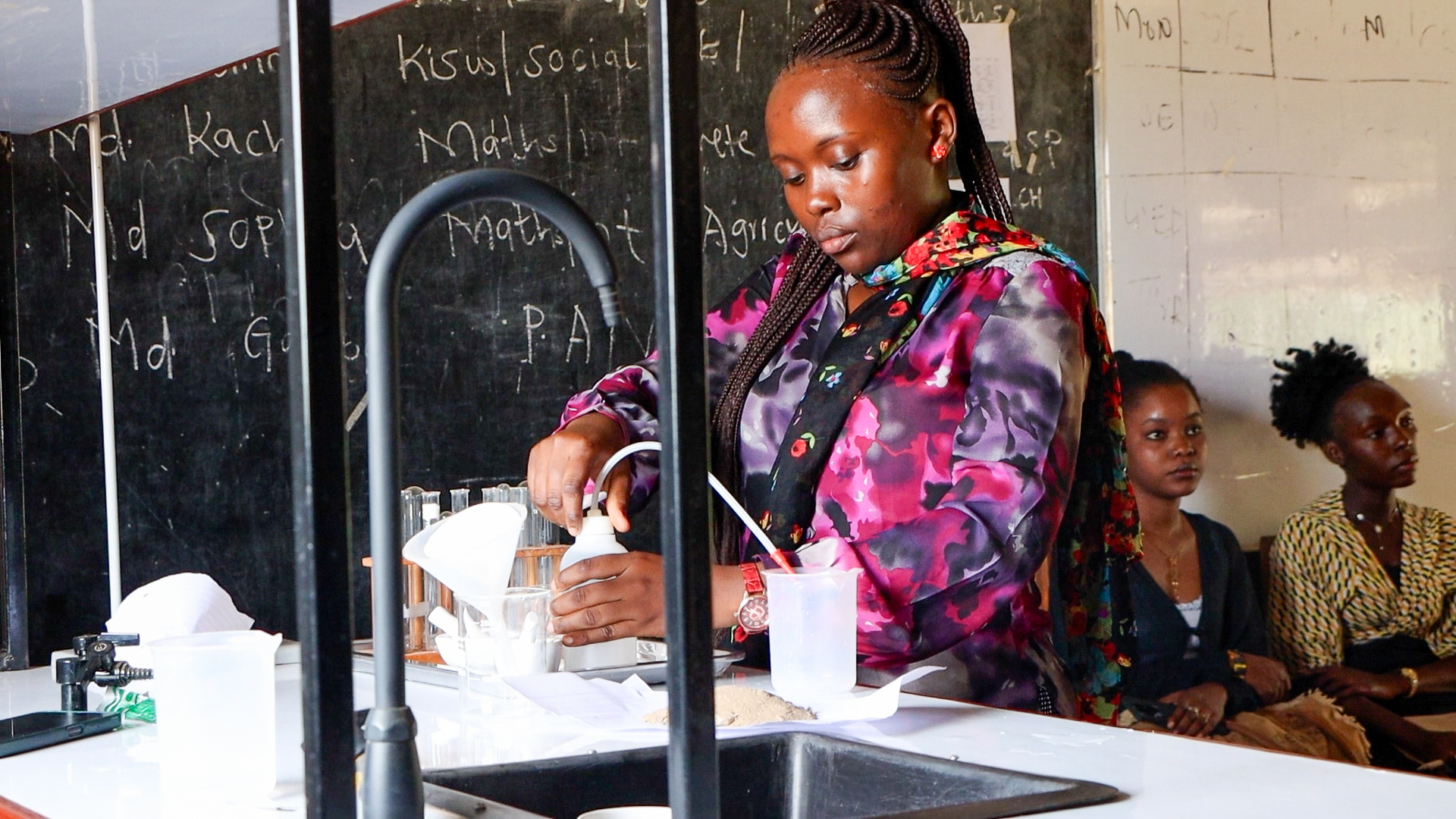
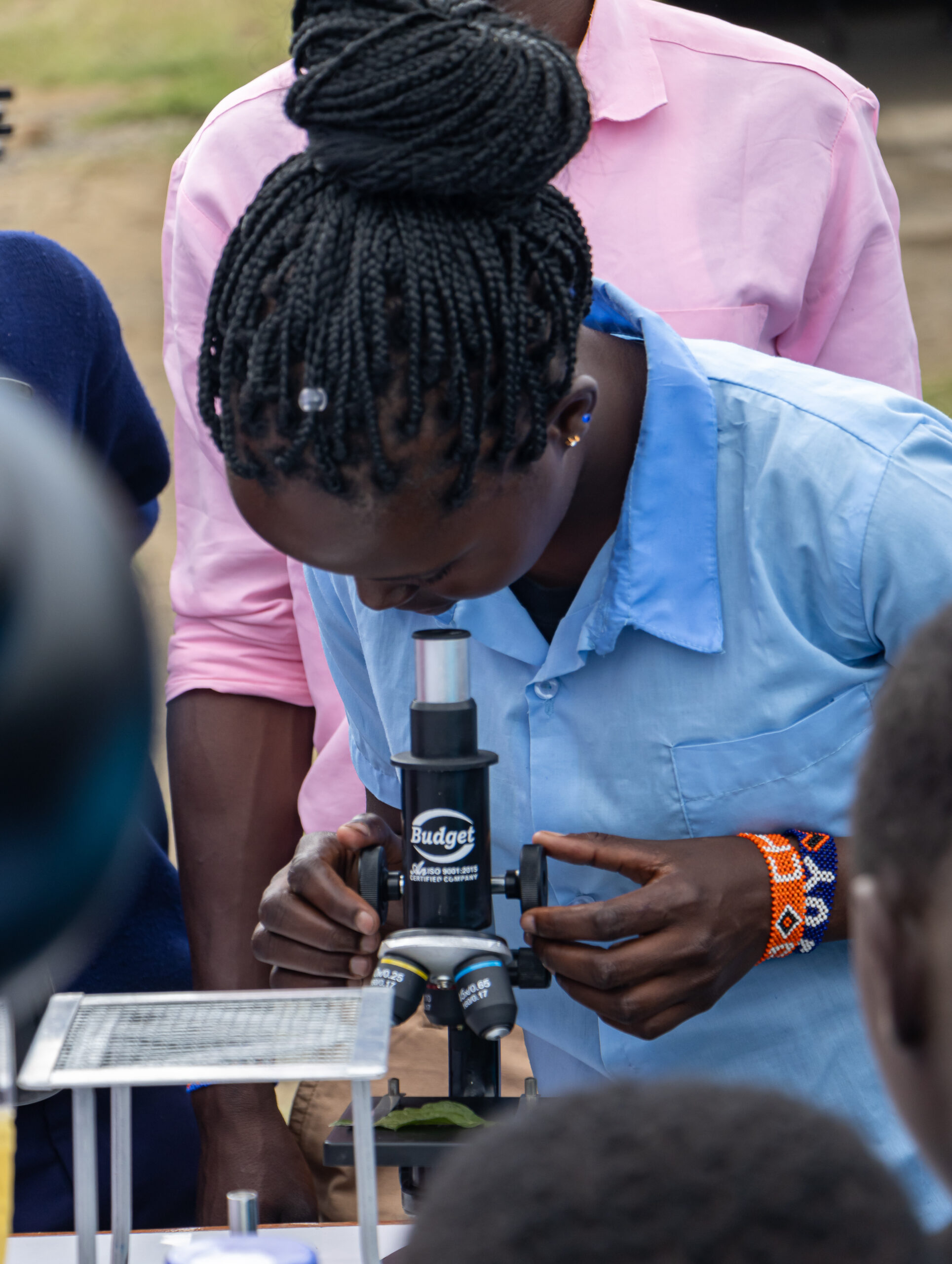
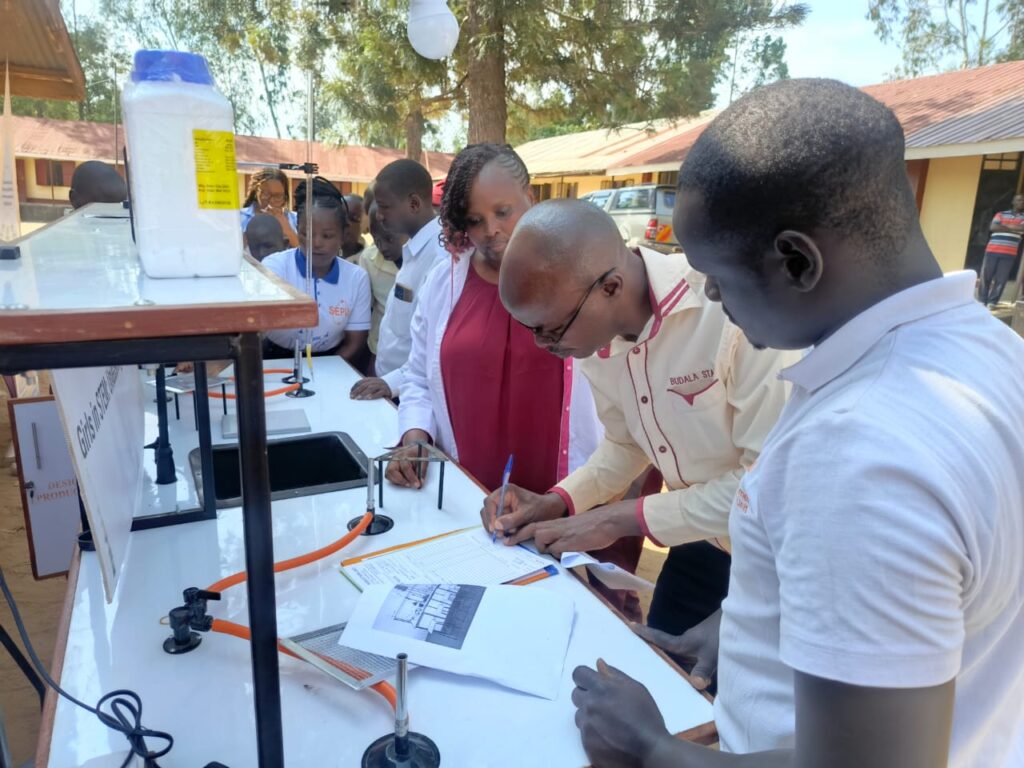
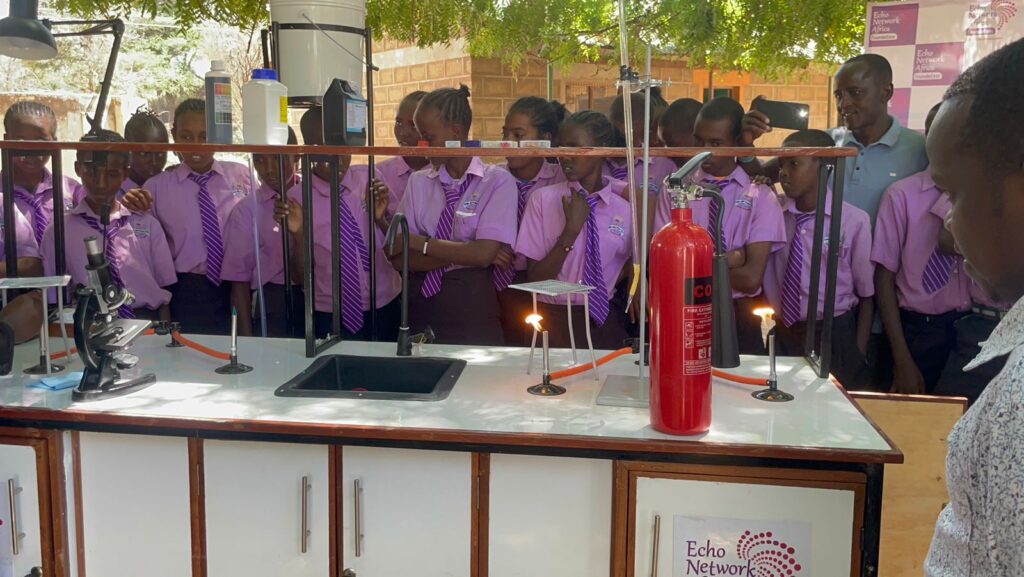
From Murang’a to Meru, schools that previously improvised science lessons or lacked access to labs now have fully equipped Mobile Laboratories. Students can use microscopes, burners, and burettes, and learn to safely handle experiments with tools such as waste water jerrycans, while girls receive dignity kits to remain confident and engaged in school.

At Gangara Primary School, the 14th school to benefit, Dr. Jennifer Riria, ENAF’s President & CEO, personally led the donation. She highlighted the urgency of enabling children to interact with STEM equipment early in their education, stating, “One must go to the moon or else it is “kazi nothing”. Girls should have as much opportunity as boys to explore science. You must do sciences, otherwise you will be left behind.”

Reaching Every Child:
Phase 1 covered 12 counties and 14 schools:

Murang’a County

  • Saba Saba Primary
  • Thirikwa Primary

Makueni

  • Mung’etheele Primary

Kilifi

  • Tunzanani Primary

Tana River

  • Kipini Primary

Narok

  • Olgilai Primary
  • Victory County Primary

Migori

  • Anjego Primary

Busia

  • Budala Primary

Mt. Elgon – Bungoma

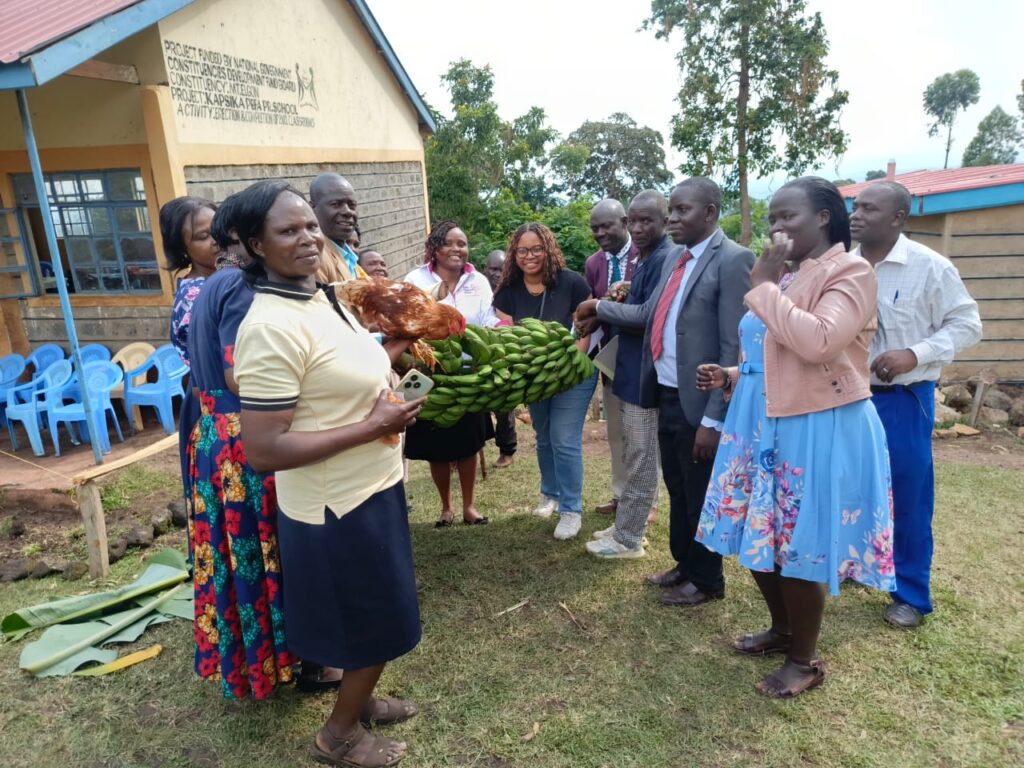
  • Kapsika PEFA Primary

Elgeyo Marakwet

  • Kiptabach Primary

Samburu

  • Wamba CCM Primary

Marsabit

  • Ngurunit Primary

Meru

  • Gangara Primary

Partnership and Future Opportunities:
Phase 1 demonstrates the power of collaboration. From national partners like the School Equipment Production Unit, to local community organizations, families, and individual donors, every contribution has helped bring Mobile Laboratories and dignity kits to over 1,200 students. ENAF now calls on more partners, individuals, and communities to join the next phase, targeting 98 schools, so that every child has the opportunity to explore STEM, innovate, and succeed.

Education cannot wait. The future leaders of Kenya are already in these classrooms today.

Girls Excel News Stories

When Jerrycans Become Drums and Labs: Kipini Learners Find Their Rhythm

When Jerrycans Become Drums and Labs: Kipini Learners Find Their Rhythm 

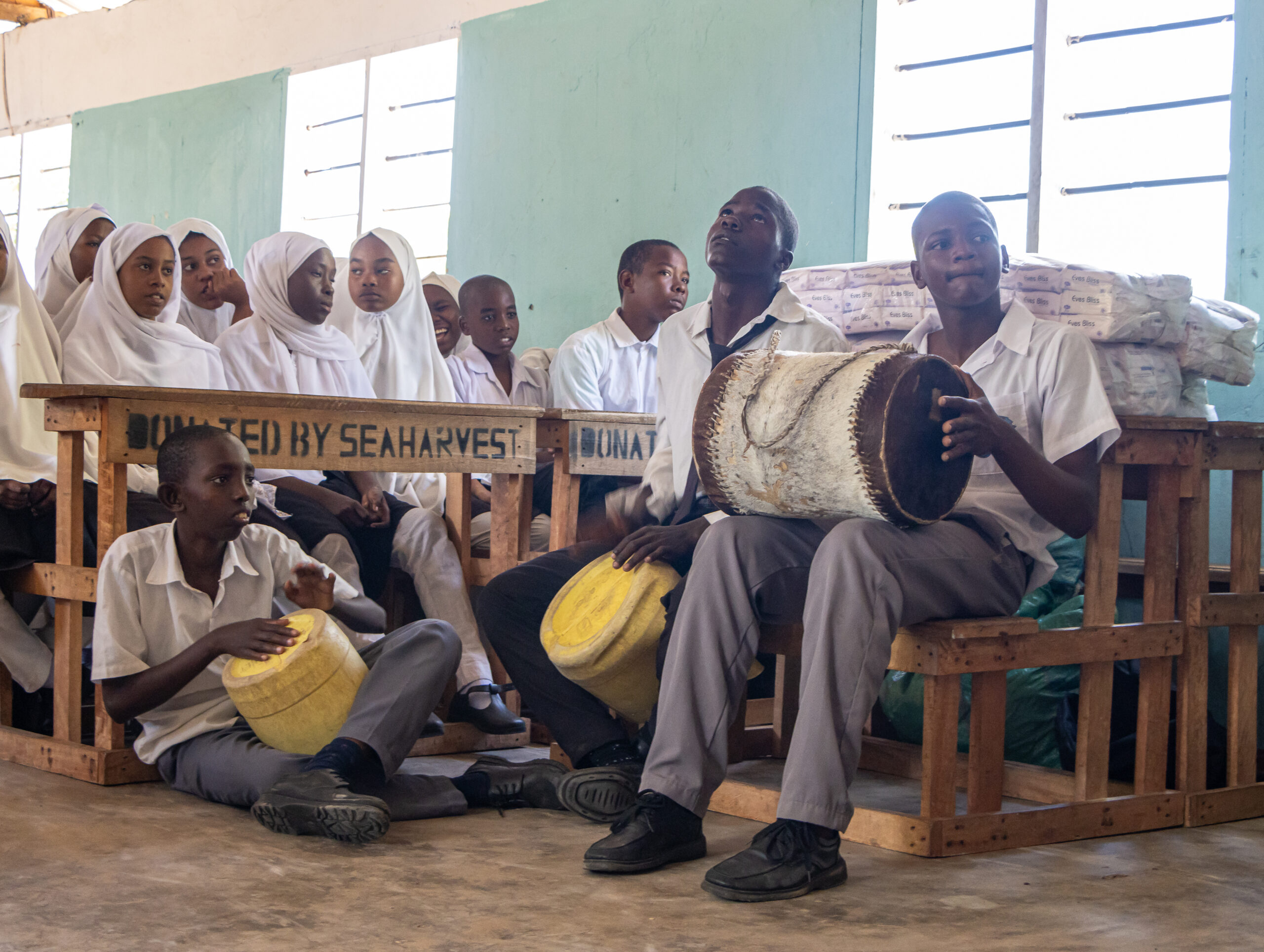
At Kipini Primary School, three boys drummed joyfully as other children sang to celebrate a historic day, the arrival of a science lab at their school. Only one had a real drum while the other two used jerrycans turned into instruments. Their music was more than celebration. It was a powerful picture of how learners have had to improvise in creative arts and in science, often making do with what is available. That reality changed as Echo Network Africa Foundation, in partnership with the School Equipment Production Unit, unveiled the very first Mobile Science Lab in Tana River County. 

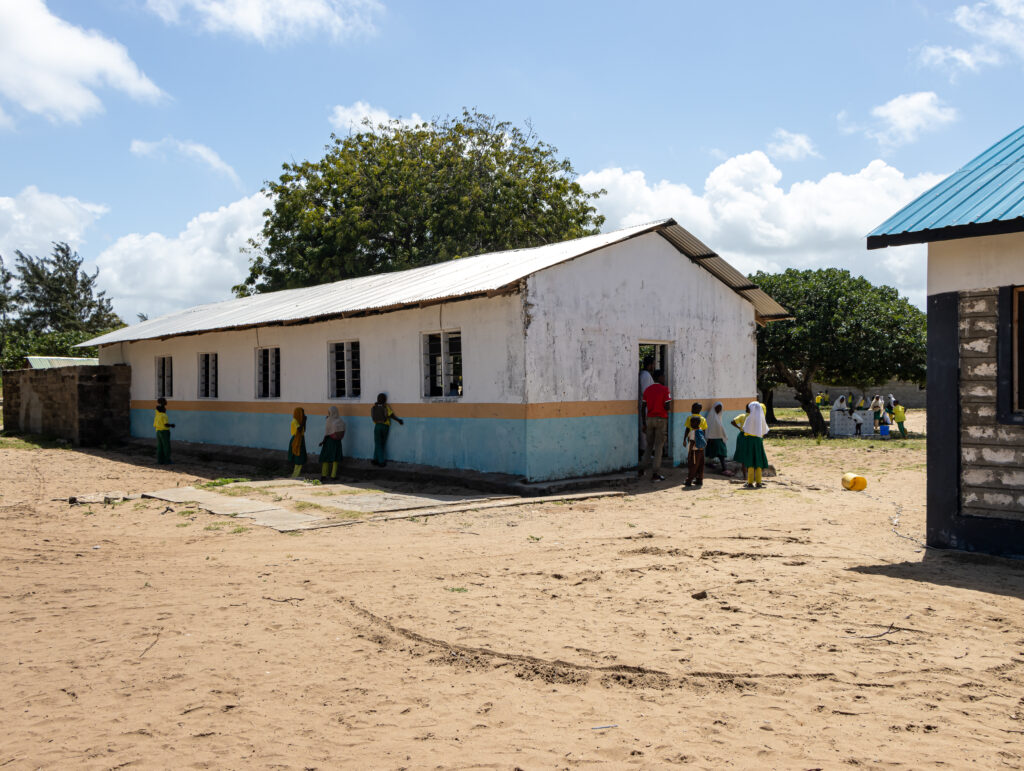
Younger learners peer curiously into the hall as Junior Secondary students receive their first Mobile Science Lab – a glimpse of the future they too will soon experience

A Lab Rooted in Practical Learning 

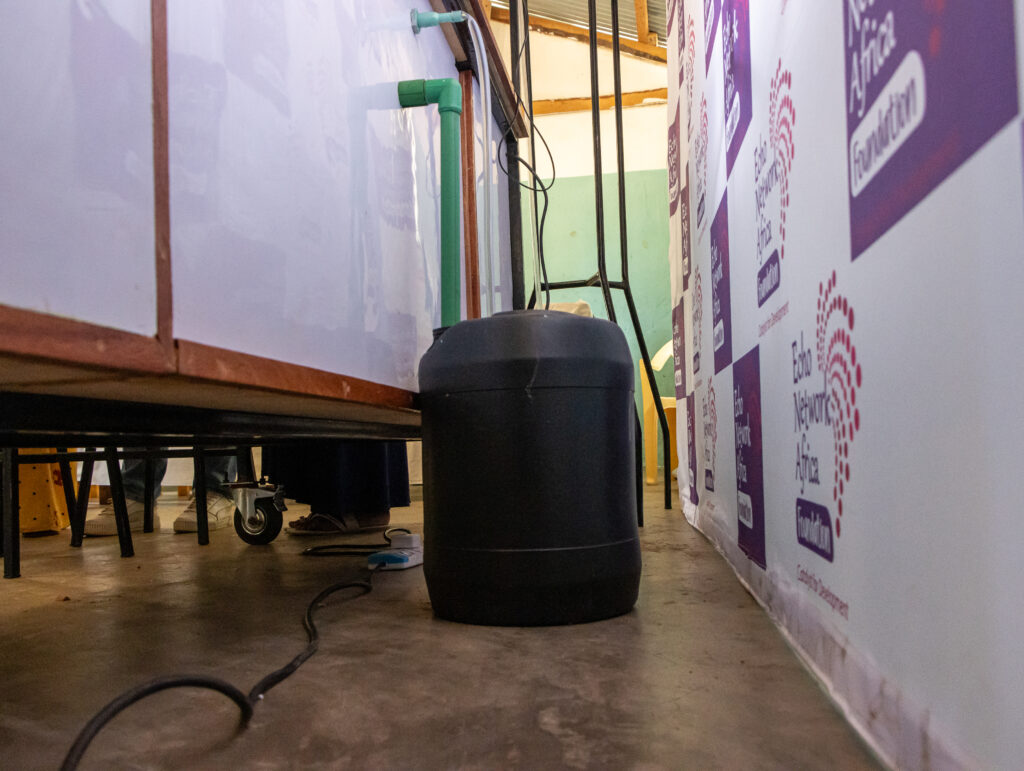
The new lab allows Junior Secondary School students to learn science practically, with microscopes, beakers, and burners replacing theory-only lessons. Importantly, it comes with a jerrycan to safely collect waste water from experiments. This stood in clear contrast to the jerrycans the boys used as drums. One made music for creative arts while the other makes science safer and more engaging. Together, they symbolise how education can flourish when learners have the right tools. Alongside the lab, dignity kits were also provided to girls, enabling them to stay in class with confidence. 

The Mobile Science Lab includes a jerrycan to safely collect wastewater from experiments, ensuring that practical lessons are not only engaging but also safe for learners and the environment.

Partnerships Beyond Science 

The celebrations also reminded the community that education cannot thrive on equipment alone. Kassim Mohamed, a doctor from Kipini Health Centre, stressed the need for first aid training, since injuries are common during daily school activities. Community leaders raised concerns about early and forced marriages, which continue to hold children back from their studies. The local chief described the lab as an anchor to keep children in school and urged for stronger partnerships to secure the future of learners. 

A Call for Wider Collaboration 

Echo Network Africa Foundation, together with local partner Kipini Integrated Community Enterprises (KICE), officially handed over the Mobile Science Lab to Kipini Primary School

Kipini’s story shows that every part of learning, from science to health to creative arts to safeguarding children’s rights, requires partnerships. Just as the boys’ music and the lab’s experiments both relied on jerrycans in different ways, every discipline relies on the right support to thrive. Echo Network Africa Foundation now calls for more collaboration to extend this impact to other schools across Kenya. No child should be left without the tools to learn, dream, and succeed. 

Girls Excel News Stories

Women Leading Change: Mobile Science Lab Handed Over to Tunzanani Primary School 

Women Leading Change: Mobile Science Lab Handed Over to Tunzanani Primary School

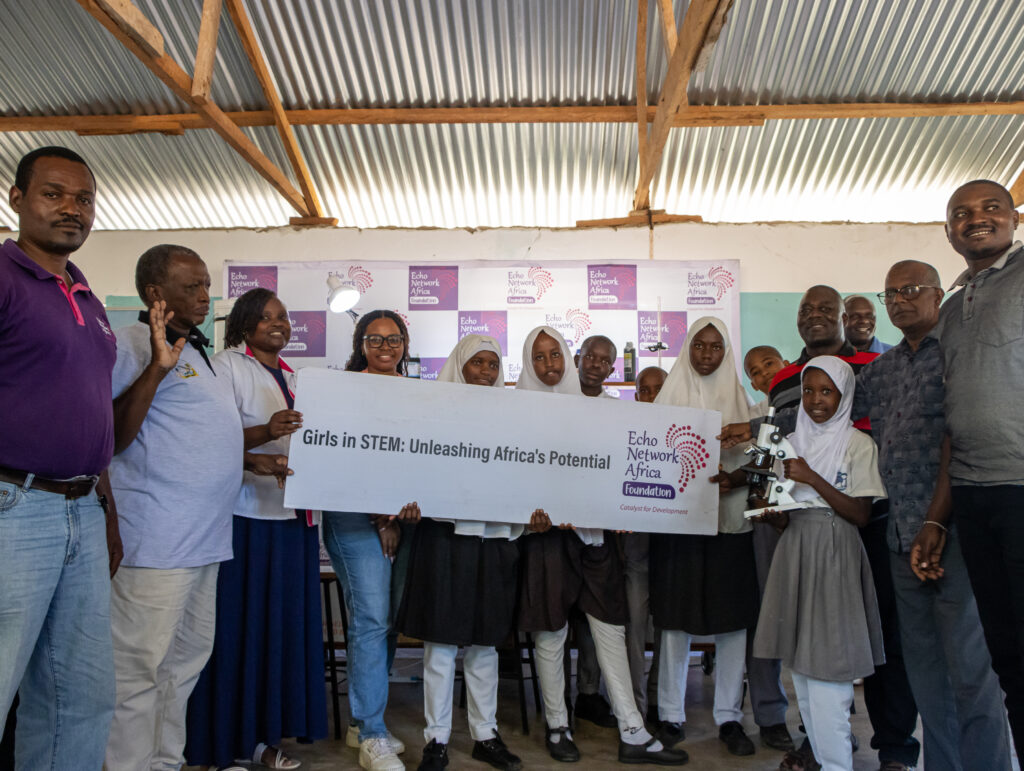
Echo Network Africa Foundation (ENAF), together with partners, has handed over its fourth Mobile Science Laboratory under the Girls Excel Initiative. The latest beneficiary is Tunzanani Primary School in Kilifi South. 

The school was selected because of its lack of a permanent laboratory and its potential to serve as a hub where neighboring schools can also benefit from the facility. At the handover, girls witnessed a powerful moment with the headteacher, the senior assistant chief, and the Junior Secondary School science teacher, all of them women, leading the event and inspiring the next generation. 

Breaking New Ground in Leadership 

For Headteacher Doris Jeza, the laboratory donation was a milestone both for the school and for her personal journey. As the first female headteacher since the school was founded in 1983, she spoke of the challenges that poverty, drugs and lack of awareness among parents have posed to children’s education. 

Tunzanani Primary School Headteacher, Ms Doris Jeza at the Handover

“We have had no laboratory for years, forcing teachers to only demonstrate concepts in class. This mobile lab means our children can finally learn practically. A child is not just a child of Tunzanani but of the whole of Kenya.” 

Shifting Cultural Norms 

Also present was Halima Hammad, Senior Assistant Chief of Kidutani Mawamba Sub location in Mtwapa. She reflected on how community attitudes toward girls’ education have shifted. 

Senior Assistant Chief, Halima Hammad, addresses learners

“Before COVID, very few girls were in school because of culture. Today, they are empowered and even leading in academics. Our girls are proving every day that they are just as capable as boys.” 

Mentorship in the Classroom 

The role of mentorship came to life through Caroline Kache Kitsao, the Junior Secondary School Science Teacher. Having grown up in Kilifi and worked hard to pursue her Bachelor of Science in Education, she understands firsthand the barriers girls face. 
“It is not easy, but if you know what you want in life and go for it, you will succeed.” 

Science Teacher, Caroline Kache, interacts with her students

Caroline makes mentorship part of her teaching:

“Out of a 40 minute class, I take 30 minutes to teach and 10 minutes to encourage them. They are very free with me as a female teacher, and they can see what is possible through my own story.” 

Equipping Girls to Excel 

In addition to the laboratory, ENAF distributed dignity kits to the girls of Tunzanani, helping them remain in school consistently. For many, such support is as critical as the learning resources themselves. 

The initiative, spearheaded by ENAF and implemented in partnership with the School Equipment Production Unit (SEPU) and community partners such as the Safe Community Centre, continues to break barriers to STEM education. ENAF noted that to reach more underserved schools across Kenya, additional partners are needed. By joining forces with government agencies, private sector actors, NGOs, and local communities, more girls can be empowered to pursue education and leadership opportunities in STEM. 

The Girls Excel Initiative will continue rolling out mobile labs to more schools in the coming months, affirming that when women lead and mentor, and when communities partner for change, entire regions rise. 

Girls Excel News Stories

Breaking Barriers to STEM: Partnerships Power Mobile Science Labs in Murang’a

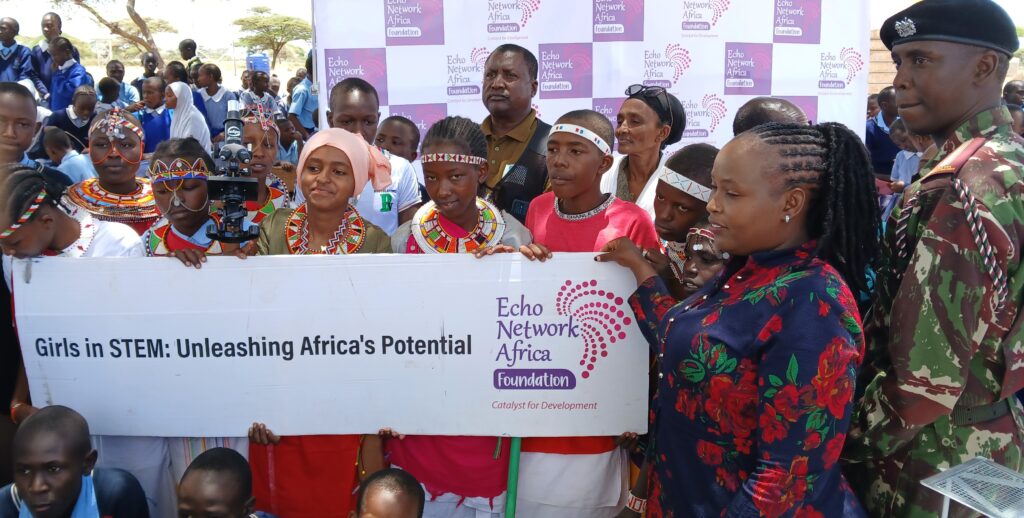
Saba Saba Primary and Junior School and Thirikwa Primary School in Murang’a South have become the first beneficiaries of Mobile Science Laboratories under the Girls Excel Initiative. The program, spearheaded by Echo Network Africa Foundation (ENAF), seeks to break systemic barriers to girls’ access to quality STEM education by distributing mobile laboratories to 13 schools nationwide.